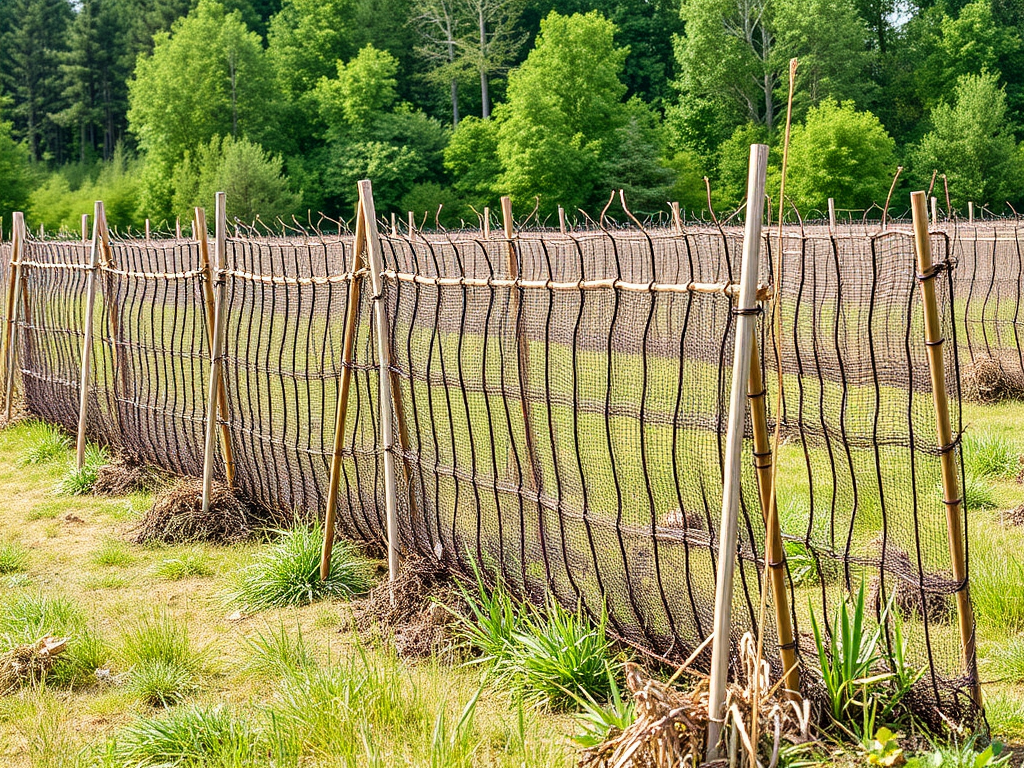
Building effective windbreaks for crop protection involves strategically placing trees or shrubs to shield crops from harsh winds, which can reduce soil erosion and improve crop yields. Start by selecting suitable species that thrive in your climate and soil conditions. Ensure the windbreak is positioned at an optimal distance from your crops to maximize protection while allowing for adequate sunlight. Regular maintenance, including pruning and monitoring for pests, is crucial to maintaining the effectiveness of the windbreak over time.
Understanding Windbreaks and Their Importance
Windbreaks are essential structures designed to protect crops from damaging winds, which can lead to soil erosion and reduced crop yields. By blocking wind, these barriers help maintain a stable microclimate, which is crucial for crop growth. The effectiveness of a windbreak is influenced by its height, density, and the distance from the crops it protects. A well-planned windbreak can also provide habitat for beneficial wildlife, enhance biodiversity, and improve the overall aesthetics of a farm.
One common misconception is that windbreaks only serve to shield against wind; however, they also play a significant role in water conservation by reducing evaporation rates. Furthermore, windbreaks can help in controlling pests and diseases by creating a more favorable environment for beneficial insects. Understanding these benefits is crucial for any homesteader looking to maximize their crop production.
Choosing the Right Location for Your Windbreak
When planning a windbreak, the location is critical. Ideally, windbreaks should be placed perpendicular to prevailing winds to maximize their protective effect. Analyzing local wind patterns can help in determining the best orientation and placement. In general, windbreaks should be positioned at least 10 times their height away from the crops they protect to ensure adequate sunlight reaches the plants.
Another consideration is terrain; if your land has varying elevations, it’s important to assess how wind flows across these areas. For example, in flat regions, windbreaks can be particularly effective when planted in a staggered formation to disrupt wind flow. Conversely, in hilly areas, natural features can provide some wind protection, but additional windbreaks may still be necessary in exposed areas.
Selecting Suitable Plant Species
The choice of plant species for your windbreak is vital. Native species are often the best option as they are adapted to local conditions and require less maintenance. When selecting trees and shrubs, consider their growth rate, root structure, and height at maturity. Fast-growing species can provide immediate benefits, while slower-growing varieties may offer long-term stability.
A diverse windbreak, incorporating a mix of species, can enhance resilience against pests and diseases. For instance, combining conifers and broadleaf trees can improve the windbreak’s overall effectiveness and provide varied habitats for wildlife. Additionally, consider the spacing between plants; denser plantings can offer better wind protection but may require more maintenance and resources.
Establishing and Maintaining Your Windbreak
After selecting the location and species, the establishment of your windbreak requires careful planning. Proper planting techniques, such as planting in the fall or spring when conditions are favorable, can significantly influence survival rates. Adequate watering during the establishment phase is crucial, especially in the first couple of years.
Maintenance is an ongoing process that includes monitoring for pests, diseases, and competing vegetation. Regular pruning can help maintain the desired shape and density of the windbreak while promoting healthy growth. It’s also essential to manage the area around the windbreak to prevent invasive species from taking over and to ensure that the windbreak continues to provide effective crop protection.
Frequently Asked Questions
What is the best height for a windbreak?
A windbreak should ideally be 10-15 feet tall to effectively block winds and provide adequate protection for crops.
How far should a windbreak be from crops?
Position your windbreak at least 10 times its height away from your crops to ensure sufficient sunlight and airflow.
Can I use shrubs for windbreaks?
Yes, shrubs can be effective in windbreaks, especially when mixed with trees to create a diverse barrier.
How do windbreaks help in pest control?
Windbreaks can create a more stable environment that encourages beneficial insects, helping to control pest populations naturally.
What maintenance is required for windbreaks?
Regular maintenance includes watering, pruning, and monitoring for pests and diseases to ensure the windbreak remains effective.
Conclusion
Building effective windbreaks for crop protection is a vital practice for any homesteader. Prioritizing the right location, species selection, and ongoing maintenance will ensure your windbreak serves its purpose for years to come. By investing time and resources into this essential structure, you can enhance your crop yields, protect your soil, and create a more sustainable farming environment.