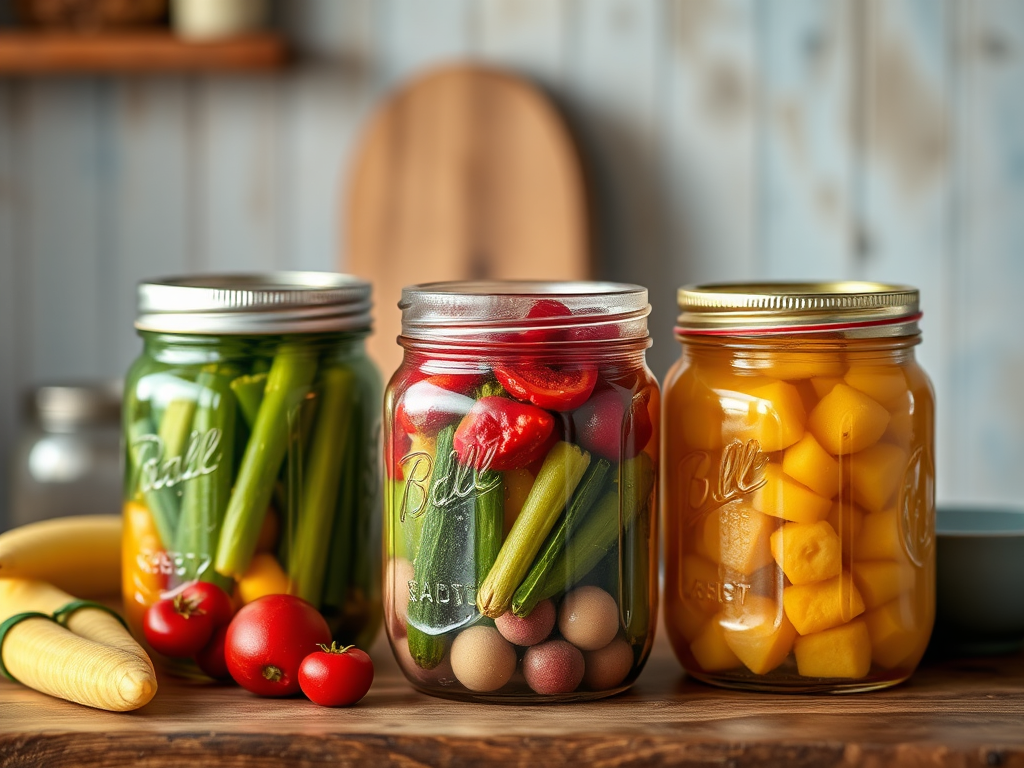
Troubleshooting common issues with home canning methods involves identifying problems like jar seal failures, food spoilage, and texture changes. These issues can arise from improper sealing techniques, incorrect pressure settings, or insufficient processing times. To address these challenges, ensure jars are sterilized correctly, follow precise canning guidelines, and check for signs of spoilage before consuming canned goods. Understanding these factors is crucial for safe and effective home canning.
Understanding Common Canning Issues
Home canning is a rewarding method for preserving food, but it can come with its share of challenges. Common issues include jar seal failures, food spoilage, and unwanted texture changes. Recognizing these problems early is vital for ensuring food safety and quality. Each of these issues can stem from various factors such as improper technique, equipment malfunction, or environmental conditions. Therefore, understanding the underlying causes is essential for effective troubleshooting.
Identifying Causes of Seal Failures
Seal failures are one of the most frequent problems encountered in home canning. A proper seal is crucial for preventing contamination and ensuring the longevity of canned goods. Common causes of seal failures include:
- Improper Jar Preparation: Jars must be clean and free from any food residue. Even a small amount of food on the rim can prevent a proper seal.
- Incorrect Lids: Always use new lids for canning, as old lids may not seal effectively due to wear or damage.
- Temperature Fluctuations: A sudden change in temperature while processing can cause the jar to crack, leading to seal failure.
To prevent seal failures, ensure that jars are sterilized and lids are in good condition. Following the manufacturer’s guidelines for sealing is also crucial. After processing, check for proper seals by pressing the center of the lid; it should not flex up and down.
Addressing Food Spoilage in Canned Goods
Food spoilage in canned goods can be alarming and is often a sign of improper canning practices. Spoilage can be indicated by off-odors, discoloration, or leakage. The primary causes of spoilage include:
- Insufficient Processing Time: Each type of food requires a specific processing time to ensure that harmful bacteria are destroyed. Failing to adhere to these times can lead to spoilage.
- Inadequate Pressure: Using a pressure canner incorrectly can result in under-processing, allowing bacteria to survive.
- Contamination: If jars aren’t properly cleaned or filled, contaminants can lead to spoilage.
To avoid spoilage, always follow recommended processing times and methods for different foods. Regularly check the pressure gauge on your canner for accuracy and ensure it is functioning correctly. If spoilage is detected, it’s essential to discard the contents to prevent foodborne illness.
Maintaining Texture and Flavor
Texture and flavor are critical aspects of home-canned foods. Changes in these characteristics can result from several factors:
- Overcooking: Extended processing times can lead to mushy textures and loss of flavor. Each food type has recommended processing times that should be strictly followed.
- Improper Use of Acids: Some foods require the addition of acids, such as vinegar or lemon juice, to maintain flavor and safety. Neglecting this can alter the expected taste.
- Storage Conditions: Storing canned goods in direct sunlight or extreme temperatures can degrade quality over time.
To preserve the best flavor and texture, adhere to processing guidelines and store jars in a cool, dark place. Regularly rotate your canned goods to use older items first, ensuring optimal taste and safety.
Frequently Asked Questions
What are the signs of a bad seal on a can?
Signs of a bad seal include a lid that pops up when pressed, leakage, or visible food spoilage inside the jar.
How can I tell if my canned food is safe to eat?
Check for proper seals, look for signs of spoilage, and ensure that you followed safe canning practices during processing.
Can I reuse canning lids?
No, canning lids should not be reused as they may not seal properly after the first use.
What should I do if my canned food has a strange odor?
If canned food has a strange odor, do not taste it; discard the contents immediately as this could indicate spoilage.
Is it normal for canned food to change color?
Some color changes can be normal, but significant discoloration may indicate spoilage. Always inspect food before consumption.
Conclusion
Successfully troubleshooting common issues with home canning methods involves understanding the causes behind seal failures, spoilage, and texture changes. By following proper canning techniques, adhering to processing times, and maintaining good storage practices, you can ensure the safety and quality of your canned goods. Regular checks of your equipment and ingredients, along with an awareness of potential pitfalls, will lead to a more rewarding canning experience.