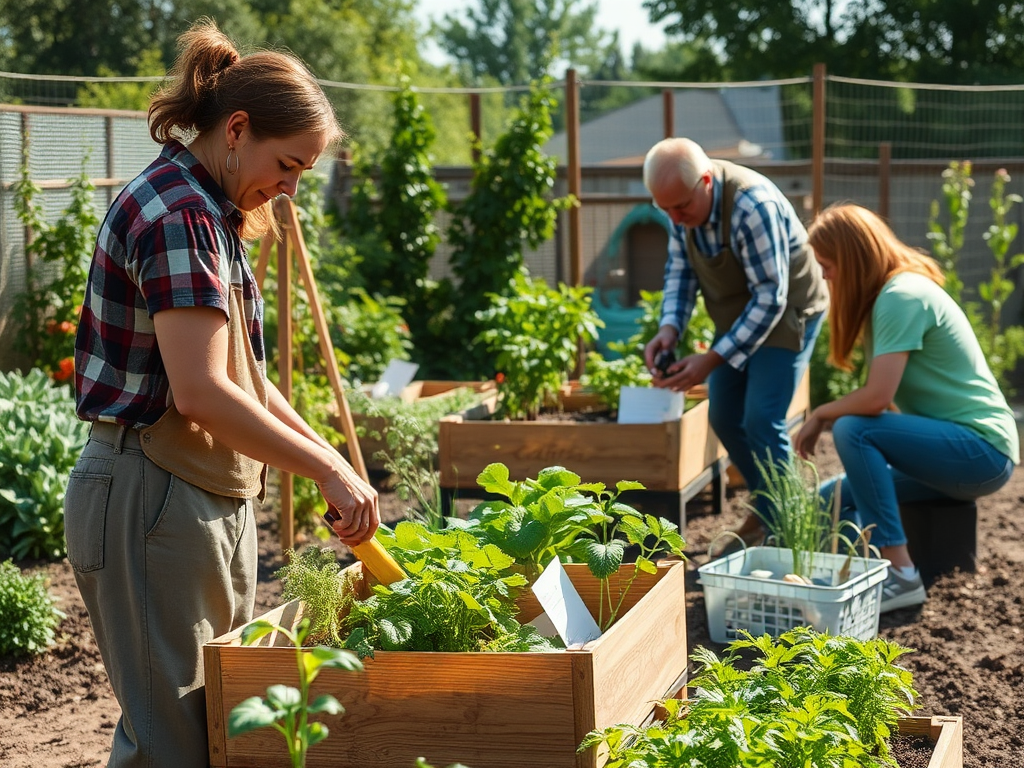
Before starting a community garden, it's crucial to evaluate site selection, community involvement, and resource management. The location should have adequate sunlight, water access, and soil quality. Engaging the community ensures shared commitment and diverse input, while understanding local regulations and securing necessary resources like tools and seeds are vital for sustainability. Prioritizing these factors sets the foundation for a successful community gardening project.
Choosing the Right Location
Selecting the right location for a community garden is crucial for its success. The site should ideally receive at least six hours of sunlight daily, have access to a water source, and possess good soil quality. Conducting soil tests can help identify any contaminants or deficiencies that need to be addressed. Additionally, consider proximity to community members, as easy access can increase participation and maintenance.
For example, a garden located near public transport or community centers can attract more participants. On the other hand, a site in a remote area may struggle to garner interest. It’s also essential to assess the surrounding environment for potential hazards, such as pollution from nearby roads or industrial areas, which could affect plant growth and safety.
Engaging the Community
Community involvement is a key factor in the success of a community garden. Engaging potential participants early in the planning process helps build enthusiasm and ensures that the garden meets the community’s needs. Organizing meetings or workshops can facilitate discussions about what types of plants to grow and how the garden should be maintained.
Furthermore, creating a sense of ownership among community members can lead to increased commitment. For instance, assigning specific roles, such as garden coordinator, treasurer, or volunteer coordinator, can help distribute responsibilities and encourage participation. Successful gardens often have a diverse group of members, which can enhance creativity and problem-solving.
Understanding Local Regulations
Before starting a community garden, it’s essential to understand and comply with local regulations. This includes zoning laws, land use permits, and any restrictions on gardening in public spaces. Contacting local government offices or community organizations can provide valuable information about the necessary permits and guidelines.
For example, some areas may require a formal agreement for land use, while others might have specific rules regarding water usage or pesticide application. Ignoring these regulations can lead to fines or the loss of the garden space. Additionally, understanding local environmental policies can help in making sustainable choices that align with community goals.
Resource Management
Effective resource management is vital for the sustainability of a community garden. This involves not only securing initial funding for seeds, tools, and soil amendments but also planning for ongoing maintenance costs. Exploring grants, fundraising events, and local sponsorships can provide necessary financial support.
Moreover, developing a plan for sharing tools and resources among garden members can help minimize costs. Establishing a community composting system can also contribute to soil health while reducing waste. For instance, a community that pools its resources for purchasing bulk seeds can save money and ensure a diverse planting palette.

Frequently Asked Questions
What is the best location for a community garden?
The best location for a community garden is one that receives ample sunlight, has access to water, and is easily accessible to community members.
How can I involve the community in the garden?
Involving the community can be achieved through meetings, workshops, and assigning roles to create a sense of ownership and responsibility.
What regulations should I consider?
It’s important to consider local zoning laws, land use permits, and any specific rules regarding gardening in public spaces.
What common mistakes should I avoid?
Common mistakes include neglecting to engage the community, ignoring local regulations, and failing to plan for ongoing resource needs.
Conclusion
Starting a community garden involves careful consideration of location, community engagement, local regulations, and resource management. Prioritizing these factors not only enhances the garden’s chances of success but also fosters a sense of community and shared responsibility. To move forward, gather your community, assess potential sites, and begin planning your garden project with clear goals and collaborative input.