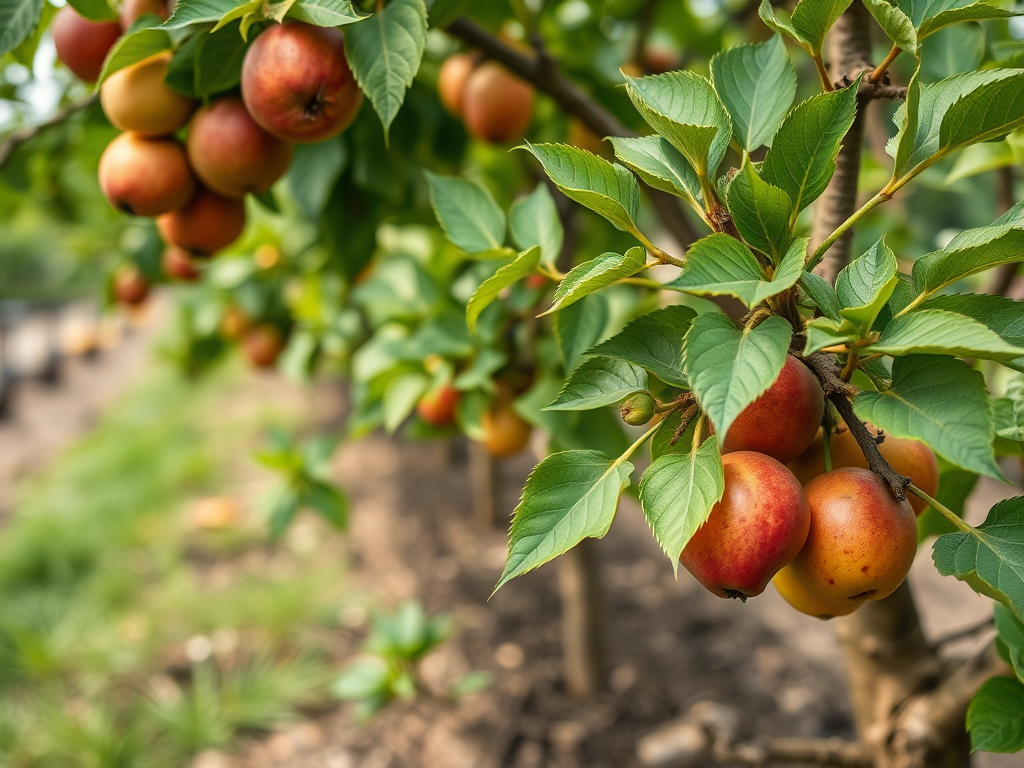
If your fruit trees aren't producing, start by evaluating the soil quality, as nutrient deficiencies can severely impact yield. Conduct a soil test to determine pH and nutrient levels, and consider amending with organic fertilizers to address any deficiencies. Additionally, ensure your trees receive adequate sunlight and water, as both are essential for healthy growth. Regular pruning can also promote better air circulation and fruit set. Lastly, inspect for pests and diseases, as these can detract from tree vitality and fruit production.
Assessing Soil Health
Soil health is a fundamental factor affecting the productivity of fruit trees. If your trees are not producing, the first step is to assess the soil quality. Nutrient deficiencies, particularly in nitrogen, phosphorus, and potassium, can significantly hinder fruit production. Conducting a soil test can reveal pH levels and nutrient content, allowing you to make informed amendments.
Additionally, soil structure plays a crucial role in root development and nutrient uptake. Compacted soil can restrict root growth and water infiltration, leading to poor tree health. Consider incorporating organic matter, such as compost, to improve soil structure and enhance nutrient availability.
Regularly monitor soil moisture levels as well. Overwatering or underwatering can both stress the trees, leading to reduced yields. Implementing a proper irrigation schedule based on seasonal needs will promote a healthy growing environment.
Identifying Pest and Disease Issues
Pests and diseases can severely impact fruit production. Common pests such as aphids, spider mites, and fruit flies can sap the vitality of your trees, while diseases like blight or powdery mildew can hinder fruit set and overall health. Inspect your trees regularly for signs of infestations or disease symptoms.
If pests are identified, consider integrated pest management (IPM) techniques. This may include introducing beneficial insects, using organic pesticides, or employing physical barriers to protect your trees. Early intervention is critical to prevent further damage and ensure your trees can focus their energy on fruit production.
Additionally, understanding the life cycle of pests and diseases can help you anticipate and mitigate issues before they escalate. Keeping your orchard clean and removing fallen fruit or debris can reduce the likelihood of pest and disease proliferation.
Understanding Pruning Techniques
Pruning is an essential practice for maintaining healthy fruit trees and encouraging production. Improper pruning can lead to excessive growth of foliage at the expense of fruit development. The timing and method of pruning matter significantly; for many species, late winter or early spring is ideal.
Focus on removing dead or diseased branches, as well as thinning out crowded areas to improve air circulation and sunlight penetration. This will help direct the tree’s energy toward producing fruit rather than maintaining excess foliage. Additionally, training young trees through formative pruning can establish a strong structure that supports future fruiting.
Be cautious of over-pruning, as this can stress the tree and reduce yields. A balanced approach is vital to ensure healthy growth and fruit production.
Ensuring Adequate Water and Sunlight
Water and sunlight are critical components for the health of fruit trees. Insufficient sunlight can lead to poor flowering and fruit set, while inadequate watering can stress the trees, resulting in reduced yields. Ensure your trees receive at least six to eight hours of direct sunlight each day.
During dry spells, monitor soil moisture and water deeply but infrequently to encourage deep root growth. Drip irrigation systems can be beneficial for consistent watering, reducing the risk of overwatering or drought stress.

Consider the placement of your trees in relation to nearby structures or larger plants that may cast shade, particularly during peak growing seasons. Proper planning can maximize light exposure and enhance fruit production.
Frequently Asked Questions
What are common reasons for fruit trees not producing?
Common reasons include poor soil health, pest infestations, insufficient sunlight, and incorrect pruning techniques.
How can I improve soil health for my fruit trees?
Improving soil health can be achieved through regular testing, adding organic matter, and ensuring proper drainage and structure.
What pests should I look out for on my fruit trees?
Look for aphids, spider mites, and fruit flies, as they can damage foliage and fruit development.
When is the best time to prune fruit trees?
Late winter or early spring is generally the best time to prune fruit trees to promote healthy growth and fruit production.
How much sunlight do fruit trees need?
Fruit trees typically require at least six to eight hours of direct sunlight each day for optimal growth and fruiting.
Conclusion
Addressing the lack of fruit production in your trees involves a multi-faceted approach. Start by assessing soil health, identifying pests and diseases, and employing proper pruning techniques. Ensure your trees receive adequate water and sunlight to promote robust growth. By taking these steps, you can enhance the productivity of your fruit trees and enjoy a bountiful harvest.