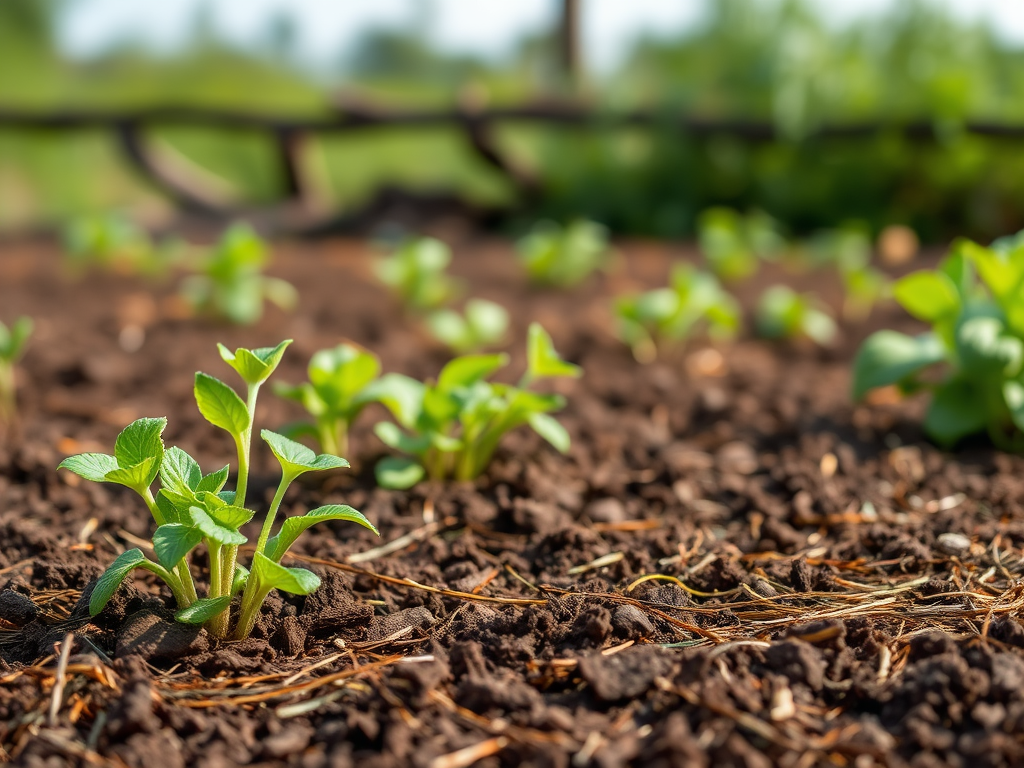
To prevent soil erosion on your homestead, utilize effective techniques such as planting cover crops, constructing terraces, and establishing windbreaks. Cover crops like clover or rye anchor the soil with their roots while enriching it with organic matter upon decomposition. Terracing is particularly beneficial on sloped land, as it slows water runoff and encourages absorption, reducing soil loss. Additionally, windbreaks formed by trees or shrubs can minimize wind impact, further protecting your soil. Regularly maintaining vegetation cover and applying mulch can also enhance soil stability, ensuring a healthier environment for your homestead.
Understanding Soil Erosion
Soil erosion is the process by which the upper layer of soil is removed due to various factors such as water, wind, and human activity. This phenomenon is critical on a homestead because it directly affects soil fertility and the overall health of the ecosystem. Understanding the causes of soil erosion is essential for developing effective prevention strategies. Factors such as rainfall intensity, slope of the land, and vegetation cover significantly influence the rate of erosion. When soil is left bare, it is more susceptible to being washed away by rain or blown away by wind. Thus, recognizing these elements is the first step in combating erosion.
Techniques to Prevent Soil Erosion
Implementing effective techniques is crucial for preventing soil erosion on your homestead. One of the most effective methods is planting cover crops, such as clover or rye, which help to hold the soil in place with their root systems. These crops not only prevent erosion but also improve soil health by adding organic matter when they decompose.
Another technique is the construction of terraces on sloped land. Terracing reduces the speed of water runoff, which helps to minimize soil loss. By creating flat areas, you can slow down water flow and encourage it to soak into the ground rather than wash away the topsoil.
Additionally, installing windbreaks, such as rows of trees or shrubs, can significantly reduce wind speed over the soil surface, thereby preventing wind erosion. These barriers not only protect the soil but also enhance biodiversity on your homestead.
Implementing Effective Land Management Practices
Effective land management practices play a vital role in preventing soil erosion. Regularly maintaining vegetation cover is essential; this includes avoiding overgrazing by livestock and ensuring that crops are rotated properly to maintain soil health. Mulching is another valuable practice that can protect bare soil from erosion. Organic materials such as straw or wood chips can be used as mulch to cover the soil and reduce the impact of rainfall.
Moreover, creating drainage systems can help manage excess water during heavy rains, preventing it from eroding the soil. Installing ditches or swales can redirect water flow and keep it from pooling in vulnerable areas.
It’s also important to monitor your land regularly for signs of erosion, such as rills or gullies, and address them promptly. Early intervention can prevent more significant damage later on.
Common Mistakes to Avoid
When implementing erosion prevention strategies, several common mistakes can undermine your efforts. One significant error is neglecting to assess the specific needs of your land; what works for one homestead may not be suitable for another. Therefore, it’s essential to understand the unique characteristics of your soil and landscape.
Another mistake is failing to maintain cover crops or vegetation. Once planted, these plants require care and attention to thrive; neglecting them can lead to soil exposure and increased erosion risk.
Additionally, over-reliance on a single technique can be detrimental. A diversified approach that combines various methods—such as cover cropping, terracing, and mulching—will yield better results in preventing soil erosion.

Frequently Asked Questions
What are the main causes of soil erosion?
The main causes of soil erosion include water runoff, wind, and human activities such as deforestation and overgrazing.
How do cover crops help prevent soil erosion?
Cover crops prevent soil erosion by stabilizing the soil with their root systems and reducing water runoff.
What is the role of mulch in soil erosion prevention?
Mulch protects the soil surface from rainfall impact, reduces evaporation, and helps maintain soil moisture, thereby preventing erosion.
How can I identify signs of soil erosion on my homestead?
Signs of soil erosion include visible rills or gullies, loss of topsoil, and exposed roots of plants.
What should I do if I notice erosion on my land?
If you notice erosion, assess the affected areas, implement erosion control methods, and seek professional advice if necessary.
Conclusion
Preventing soil erosion on your homestead is crucial for maintaining soil health and fertility. By implementing a combination of techniques like planting cover crops, constructing terraces, and managing vegetation, you can significantly reduce the risk of erosion. Remember to regularly monitor your land for signs of erosion and adapt your strategies as needed. Taking proactive steps now will ensure a sustainable and productive homestead for years to come.