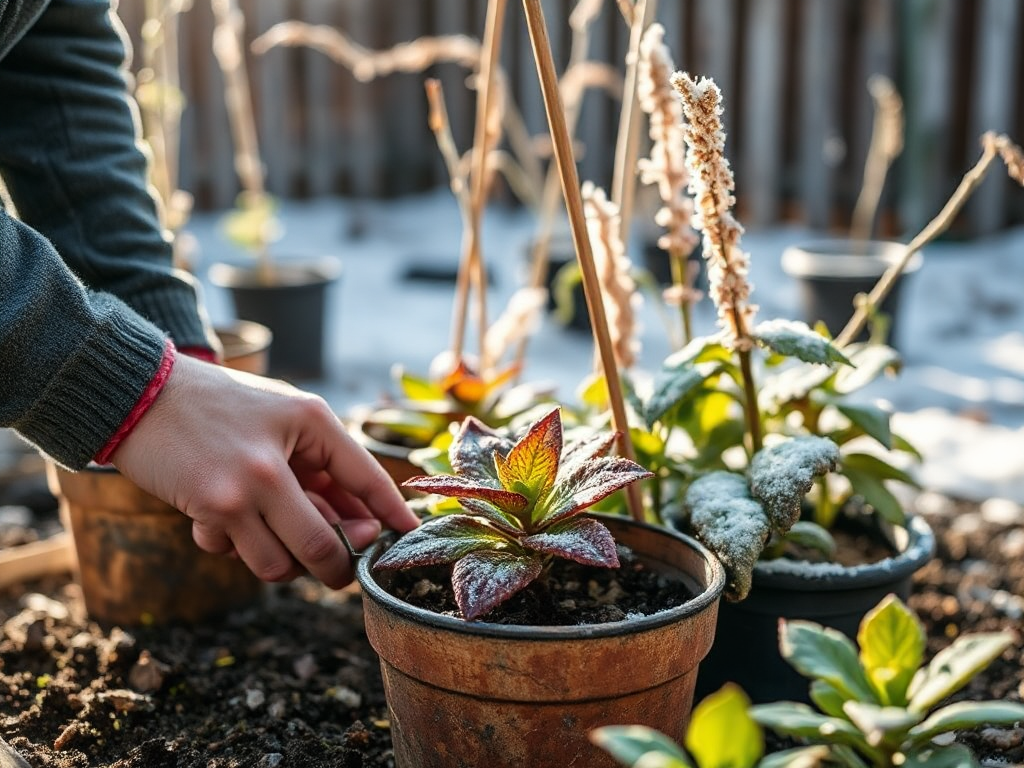
Key considerations for winterizing your garden include protecting plants from frost, improving soil health, and preparing for spring growth. Start by mulching around perennials to insulate roots and prevent frost heave. Additionally, consider adding organic matter to enrich the soil, which enhances its structure and nutrient content. Lastly, properly storing or covering any garden tools and equipment will ensure they remain in good condition for the next growing season.
Understanding Frost Protection Techniques
Protecting your plants from frost is crucial during the winter months. Frost can cause significant damage to sensitive plants, especially those that are not hardy enough to withstand cold temperatures. One effective technique is to apply a thick layer of mulch around the base of plants. This insulating layer helps maintain soil temperature, preventing it from fluctuating too drastically and shielding roots from freeze-thaw cycles.

Additionally, consider using row covers or frost blankets to shield particularly vulnerable plants. These materials trap heat and protect against cold winds, creating a microclimate that can keep plants warmer. Be sure to remove these covers during the day when temperatures rise to prevent overheating.
Another method involves grouping plants together; this creates a collective warmth, as plants release moisture that can help moderate temperature extremes. Always monitor the weather forecast and be ready to take action when frost warnings are issued.
Soil Preparation for Winter
Healthy soil is the foundation of a thriving garden. Preparing your soil for winter involves several key steps to enhance its quality and structure. Start by removing any dead plant material, as it can harbor pests and diseases. Follow this by tilling the soil lightly, which helps aerate it and allows for better water penetration during winter rains.
Incorporating organic matter, such as compost or well-rotted manure, is vital for improving soil health. This addition enriches the soil with nutrients and enhances its ability to retain moisture. A well-nourished soil will support plant growth in the spring, making it easier for new plants to establish themselves.
Also, consider planting cover crops, such as clover or rye, which can prevent soil erosion, suppress weeds, and improve soil structure. These crops will decompose over the winter, adding organic matter to the soil when tilled in the spring.
Plant Care and Maintenance
Beyond frost protection and soil preparation, proper plant care during the winter months is essential. For perennials, trim back dead foliage to prevent disease but leave enough to provide some insulation for the roots. For tender plants, consider bringing them indoors or into a greenhouse if possible.
Watering is also critical. Ensure that plants have adequate moisture before the ground freezes, as dry soil can lead to root damage. A deep watering before the first freeze can help plants survive the harsh conditions.
Furthermore, check for any pests that may seek shelter in your garden during the winter. Addressing pest issues before winter can prevent infestations from becoming a problem in the spring.
Equipment and Tool Storage
Properly storing your gardening equipment and tools is an often-overlooked aspect of winterizing your garden. Tools left outside can rust or become damaged due to extreme temperatures. Clean all tools thoroughly to remove dirt and debris, and then dry them to prevent rust.
Store tools in a dry place, ideally in a shed or garage. Consider applying a light coating of oil to metal surfaces to protect against moisture. For larger equipment, such as mowers and tillers, follow the manufacturer’s winterization guidelines. This may include draining fuel or adding stabilizers to prevent fuel degradation.

By taking the time to winterize your garden and tools, you’ll be better prepared for the spring growing season, ensuring that everything is ready to thrive when the warmer weather returns.
Frequently Asked Questions
What is the best way to protect my garden from frost?
Covering plants with frost blankets or using mulch can effectively insulate them against frost damage.
How can I improve my soil before winter?
Adding organic matter like compost and tilling the soil can enhance its health and structure for winter.
Should I water my plants before winter?
Yes, ensure plants are adequately watered before the ground freezes to prevent root damage.
What should I do with my garden tools for winter?
Clean and dry your tools, then store them in a dry place to prevent rust and damage.
How do I handle pests during winter?
Inspect your garden regularly for pests and address any issues before winter to prevent infestations.
Conclusion
Winterizing your garden is an essential process that involves protecting plants from frost, enriching soil health, and properly maintaining tools. By taking proactive steps such as mulching, watering, and storing equipment, you can ensure your garden is well-prepared for the winter months. Prioritizing these actions will set your garden up for success when spring arrives, allowing for healthy growth and abundant yields.
Further Reading
Authoritative Sources
- USDA National Institute of Food and Agriculture
nifa.usda.govResearch and extension resources related to agriculture, plants, soil, and food systems.
- Extension Foundation Gardening Resources
extension.orgUniversity extension education resources for practical gardening and home agriculture topics.
- USDA Natural Resources Conservation Service
nrcs.usda.govSoil, water, conservation, and land management resources for practical growing decisions.