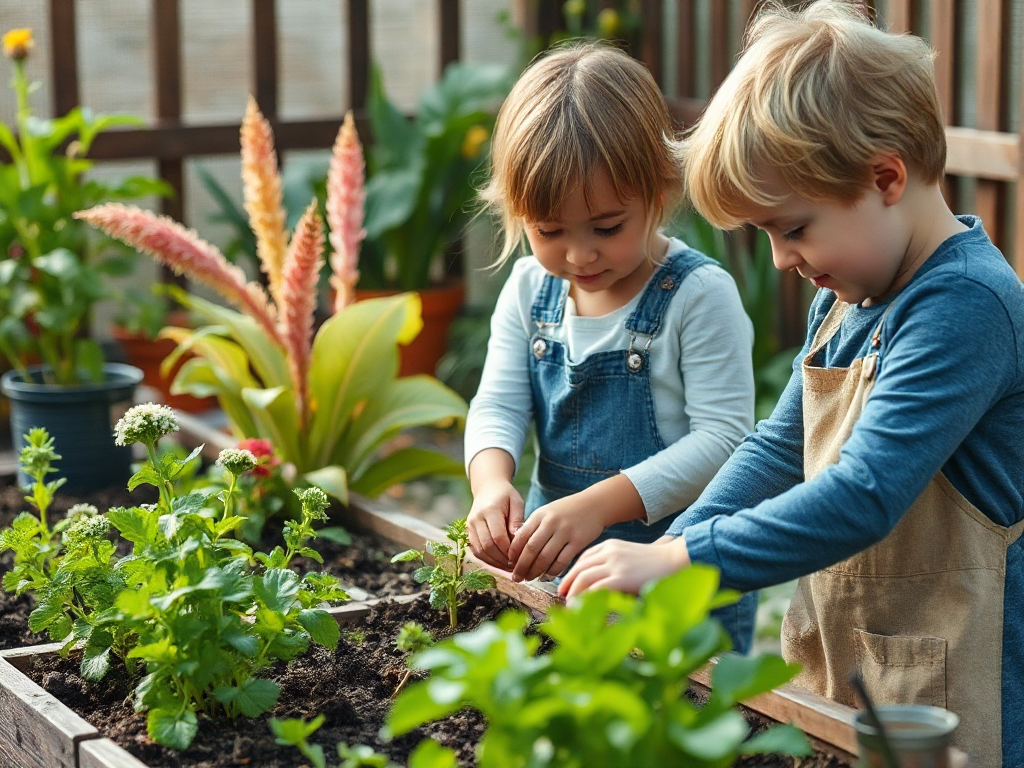
Effective strategies for teaching children gardening skills involve hands-on activities that engage their senses and curiosity. Start with simple tasks like planting seeds and watering plants, ensuring the experience is fun and educational. Use storytelling and games to explain concepts like plant growth and the importance of ecosystems. Encourage regular garden visits to observe changes and foster a sense of responsibility. These methods help children connect with nature and develop essential gardening skills.
Hands-On Learning: The Key to Engagement
Engaging children in gardening starts with hands-on learning experiences. Children are naturally curious, and allowing them to participate in tangible activities fosters a deeper understanding of gardening concepts. Simple tasks like planting seeds, watering plants, and harvesting vegetables serve as practical lessons that reinforce their learning. For instance, when children plant seeds, they can see the immediate results of their actions, which encourages them to take ownership of the gardening process.

Moreover, hands-on activities cater to various learning styles. Some children may learn better through visual means, while others may benefit from kinesthetic experiences. By incorporating diverse gardening tasks, you can reach a broader range of learners. For example, creating a small garden plot where children can dig, plant, and observe growth allows them to engage with the soil and plants directly, making the learning experience memorable.
Incorporating Games and Storytelling
Integrating games and storytelling into gardening lessons can significantly enhance children’s interest. Games can make learning about plants and ecosystems fun and interactive. For instance, you could create scavenger hunts where children search for various plants or insects in the garden. This not only teaches them about biodiversity but also encourages teamwork and critical thinking.
Storytelling is another powerful tool. Use stories that revolve around gardening or nature to spark children’s imagination. For example, narrating a tale about a seed’s journey from planting to becoming a fruit-bearing plant can help children understand the growth cycle. Incorporating relatable characters and exciting plots can make these lessons more engaging and memorable.
Creating a Routine for Gardening
Establishing a routine is crucial for cultivating children’s interest in gardening. Regular visits to the garden help reinforce their learning and develop a sense of responsibility. You can set specific days for gardening activities, such as watering plants every Tuesday or harvesting vegetables every Saturday. This consistency not only helps children remember their tasks but also creates anticipation for their gardening responsibilities.
Additionally, involving children in planning the garden can enhance their investment in the process. Allow them to choose what to plant and help design the layout. This involvement fosters a sense of ownership and accountability, encouraging them to care for the plants. Over time, children will learn about seasonal changes and the importance of adapting their gardening strategies accordingly.
Encouraging Exploration and Observation
Encouraging exploration and observation is vital in developing children’s gardening skills. Teach them to observe changes in plants and the garden environment. For instance, ask them to note how plants respond to different weather conditions or how insects interact with flowers. This observational practice enhances their ability to think critically and develop problem-solving skills.
You can also introduce them to the concept of gardening journals. Encourage children to document their observations, such as plant growth stages, weather impacts, and any challenges they encounter. This practice not only reinforces their learning but also helps them develop writing and analytical skills. By reflecting on their gardening experiences, children can gain insights into what works and what doesn’t, leading to more successful gardening practices in the future.
Frequently Asked Questions
What age is suitable for children to start gardening?
Children as young as three can start gardening with simple tasks like planting seeds or watering plants, while older children can handle more complex activities.
How can I keep children interested in gardening?
Incorporate games, storytelling, and hands-on activities to keep children engaged. Regularly change tasks and introduce new plants to maintain their interest.
What are some simple gardening tasks for children?
Simple tasks include planting seeds, watering plants, pulling weeds, and observing plant growth. These activities can be scaled based on age and ability.
How can I teach children about ecosystems through gardening?
Use the garden to demonstrate ecosystems by explaining plant interactions, pollinators, and soil health. Encourage children to observe these relationships in action.
What tools are safe for children to use in the garden?
Child-sized tools such as small trowels, watering cans, and gloves are safe and effective for children. Ensure they are age-appropriate and easy to handle.
Further Reading
Authoritative Sources
Conclusion
Teaching children gardening skills through effective strategies leads to a greater appreciation for nature and responsibility. Engage them with hands-on experiences, games, and storytelling to keep their interest alive. Establishing a routine and encouraging observation will help solidify their learning and foster a lasting connection to gardening. By implementing these strategies, children will not only learn essential gardening skills but also develop a lifelong love for the environment.
Further Reading
Authoritative Sources
- USDA National Institute of Food and Agriculture
nifa.usda.govResearch and extension resources related to agriculture, plants, soil, and food systems.
- Extension Foundation Gardening Resources
extension.orgUniversity extension education resources for practical gardening and home agriculture topics.
- USDA Natural Resources Conservation Service
nrcs.usda.govSoil, water, conservation, and land management resources for practical growing decisions.