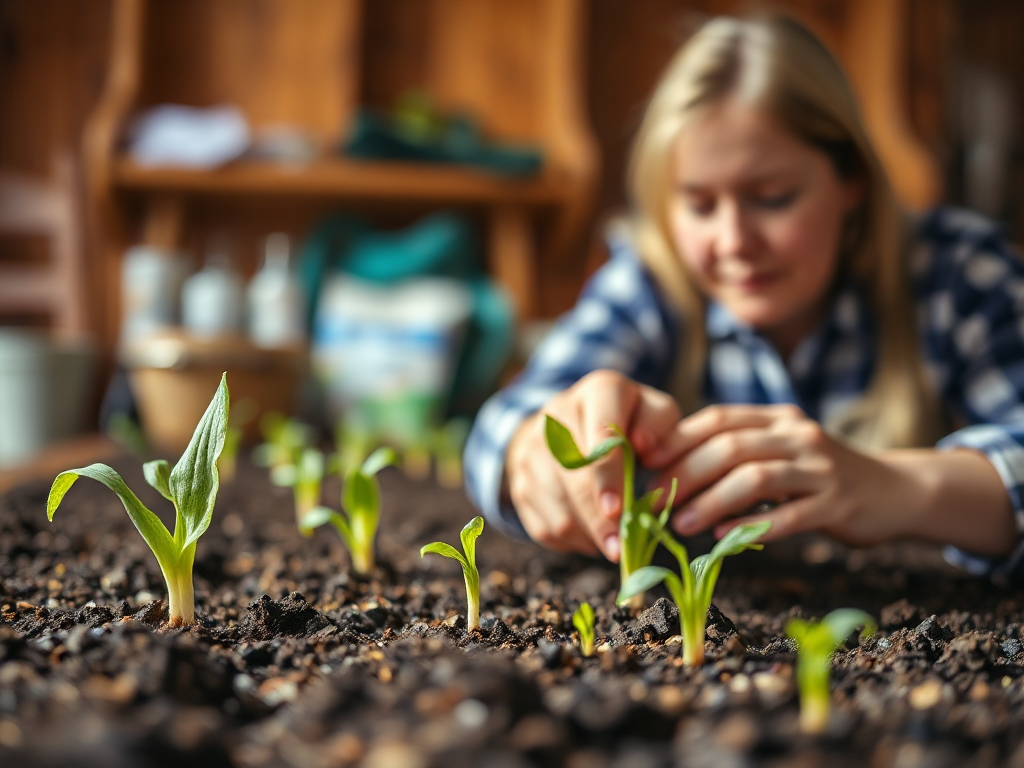
If your seeds fail to germinate, the first step is to identify the underlying causes, which can include poor soil quality, incorrect watering, or unsuitable temperature. To address these issues, check the soil pH, ensure consistent moisture without overwatering, and maintain appropriate temperatures for the specific seeds you are using. Additionally, consider the seed viability and whether they were stored properly before planting. Taking these steps can significantly improve your chances of successful germination.
Understanding Seed Germination
Seed germination is a critical process in horticulture that marks the transition from seed to seedling. Understanding how seeds germinate is essential for anyone looking to grow plants effectively. Germination occurs when seeds absorb water, swell, and eventually break through their seed coats. This process is influenced by various factors, including temperature, moisture, and soil conditions. Knowing these factors helps gardeners create the optimal environment for their seeds.

Moreover, various species have specific requirements for germination that can affect outcomes. For instance, some seeds require light to germinate, while others need darkness. Understanding these nuances is vital for successful planting. By paying attention to the specific needs of your seeds, you can enhance your gardening success.
Common Causes of Seed Failure
When seeds fail to germinate, it can be frustrating and disheartening. Several common factors can contribute to this issue. One prevalent cause is poor soil quality, which may lack essential nutrients or have an incorrect pH level. Seeds thrive in nutrient-rich, well-draining soil, so testing the soil before planting is crucial.
Another significant factor is watering practices. Overwatering can lead to seed rot, while underwatering can cause seeds to dry out before they can sprout. Achieving the right balance is essential. Additionally, temperature plays a critical role; seeds may not germinate if the soil is too cold or too hot. Each seed type has its ideal temperature range, and exceeding or falling short of this can impede germination.
Lastly, seed viability is a crucial consideration. Old or improperly stored seeds may lose their ability to germinate. Always check the expiration date on seed packets and store seeds in a cool, dry place to maintain their viability.
Practical Solutions and Steps to Take
If your seeds fail to germinate, take immediate steps to troubleshoot the situation. First, assess the soil quality. Conduct a soil test to determine its pH and nutrient content. If necessary, amend the soil with organic matter or fertilizers to improve its quality.
Next, evaluate your watering practices. Water the seeds gently and consistently, ensuring the soil remains moist but not soggy. A moisture meter can help you gauge the moisture levels accurately. If overwatering is a concern, ensure your containers have proper drainage.
Temperature is another critical factor. If your seeds require warmth to germinate, consider using a heat mat to maintain the ideal soil temperature. Conversely, if the soil is too hot, provide shade or move the pots to a cooler area.
Lastly, check seed viability. If you suspect your seeds are old or improperly stored, consider conducting a germination test. Place a few seeds on a damp paper towel, cover them, and monitor for sprouting. If they do not germinate, it may be time to purchase new seeds.
Preventive Measures for Future Planting
To prevent future seed germination failures, consider implementing several best practices. Start by selecting high-quality seeds from reputable suppliers. Always check the packaging for freshness and proper storage instructions.
Additionally, prepare your soil well before planting. Incorporate organic matter to enhance soil fertility and drainage. Using seedling trays with good drainage can also prevent issues related to excess moisture.

Furthermore, keep detailed records of your planting conditions, including soil temperatures, moisture levels, and any amendments made. This information can help you identify patterns and make more informed decisions in future planting endeavors.
All in all, be mindful of the planting times for different seeds. Research the best planting times for your region and the specific seeds you wish to grow to align with their natural germination cycles.
Frequently Asked Questions
What should I do if my seeds are not germinating?
Check the soil quality, moisture levels, and temperature. Ensure seeds are viable and stored properly.
How long should I wait for seeds to germinate?
Most seeds will germinate within 1 to 3 weeks, but some may take longer. Check the seed packet for specific information.
Can I reuse old seeds?
Yes, but you should test their viability first. If they do not germinate in a test, it's best to buy fresh seeds.
What environmental factors affect seed germination?
Moisture, temperature, light, and soil quality are critical factors that influence seed germination.
Is it possible to overwater seeds?
Yes, overwatering can lead to seed rot and prevent germination. Ensure proper drainage and monitor soil moisture levels.
Conclusion
Addressing seed germination failures requires a systematic approach to identify and rectify potential issues. By understanding the common causes of seed failure, you can take practical steps to ensure successful germination in the future. Focus on soil quality, moisture management, and temperature control, and always verify seed viability before planting. Implementing these strategies will enhance your gardening success and lead to healthier plants.
Further Reading
Authoritative Sources
- Library of Congress Research Guides
guides.loc.govResearch guides that help readers locate reliable background sources on a wide range of subjects.
- USA.gov Official Information and Services
usa.govOfficial U.S. government information and public resources for practical reference.
- Google Scholar
scholar.google.comAcademic search resource for finding research literature and source material.