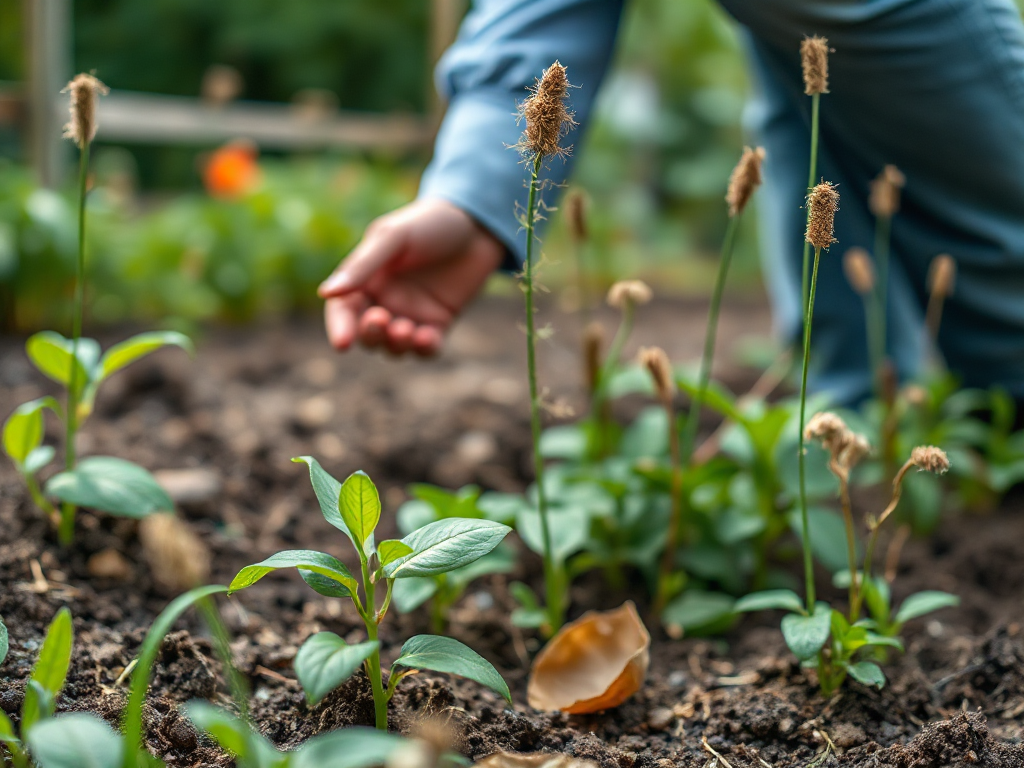
To manage weeds effectively in organic gardens, implement a combination of mulching, hand weeding, and using cover crops. Mulching suppresses weed growth by blocking sunlight, while hand weeding allows you to target specific weeds without using chemicals. Cover crops can improve soil health and outcompete weeds for resources. Regular monitoring and early intervention also play key roles in maintaining a weed-free environment.
Understanding Weeds and Their Impact
Weeds compete with your garden plants for light, water, and nutrients, ultimately affecting their growth and yield. Understanding the types of weeds present in your garden can help you identify the best management practices. Annual weeds, like crabgrass, germinate and reproduce within a single season, while perennial weeds, such as dandelions, can persist for years. Recognizing these differences is crucial because the strategies to control them vary significantly.

Additionally, weeds can harbor pests and diseases, introducing further challenges to your organic garden. They can also disrupt the soil ecosystem, leading to imbalances that may affect plant health. Therefore, effective weed management is not just about aesthetics; it is about maintaining a healthy and productive garden.
Effective Weeding Techniques
Hand weeding is one of the most effective methods for controlling weeds in organic gardens. This technique allows you to remove weeds without disturbing the surrounding soil too much, which can help prevent the germination of weed seeds. When hand weeding, it is essential to pull weeds out by the roots to prevent regrowth. Early morning is typically the best time to weed, as the soil is moist and weeds come out more easily.
In addition to hand weeding, tools such as hoe and weeding forks can assist in removing weeds effectively. A hoe can be used to slice through the roots of weeds, cutting them off at the soil surface. This method is particularly useful for larger areas with dense weed growth. However, care must be taken not to damage the roots of nearby plants.
Regular monitoring of your garden is crucial. Check for new weed growth at least once a week during the growing season. By catching weeds early, you can drastically reduce their spread and impact on your garden.
Preventative Measures for Weed Control
Preventing weeds from establishing in the first place is a highly effective strategy for organic gardening. One of the simplest ways to do this is by maintaining healthy soil. Healthy soil promotes vigorous plant growth, which can outcompete weeds for resources. This includes practicing crop rotation, which disrupts the life cycle of weeds and pests.
Another preventive measure is to ensure proper spacing between plants. When plants are spaced adequately, they can better utilize sunlight and nutrients, thus reducing the likelihood of weed establishment. Additionally, consider planting native species that are better adapted to your local environment and can thrive without excessive care.
Covering bare soil with mulch or organic matter not only suppresses weeds but also retains soil moisture and adds nutrients as it decomposes. Organic mulches, such as straw, wood chips, or grass clippings, are particularly effective and can enhance the overall health of your garden.
Using Cover Crops and Mulch
Cover crops are an excellent tool for managing weeds in organic gardens. These crops, such as clover or vetch, are planted during the off-season and grow quickly to cover the ground, preventing weeds from gaining a foothold. They also enrich the soil by adding organic matter and improving soil structure. When cover crops are tilled back into the soil, they contribute to nutrient cycling, benefiting future crops.
Mulching is another vital practice in organic weed management. Organic mulch, such as straw, wood chips, or shredded leaves, can suppress weeds by blocking sunlight and preventing seed germination. Additionally, mulch helps retain soil moisture and regulate temperature, creating a more favorable environment for your plants.
Applying a thick layer of mulch (3-4 inches) around your plants can significantly reduce weed growth while benefiting the overall health of your garden. Regularly replenishing the mulch as it decomposes is essential to maintain its effectiveness.

For more information on effective weed management strategies in organic gardening, consider exploring resources from agricultural extensions or local gardening clubs. They often provide specialized knowledge and research-based practices tailored to your region.
Frequently Asked Questions
What are the best times to weed my garden?
Weeding is most effective in the early morning when the soil is moist, making it easier to pull out weeds by the roots.
Can I use vinegar to control weeds in my organic garden?
While vinegar can kill weeds, it may also harm desirable plants. Use it with caution and apply it directly to weeds on a sunny day.
How deep should mulch be to effectively suppress weeds?
A layer of mulch should be 3-4 inches deep to effectively suppress weed growth while retaining soil moisture.
Are there any weeds I should not pull by hand?
Yes, some weeds, like poison ivy, should not be pulled by hand due to skin irritation. Use protective gloves and tools instead.
How can I tell if my weeding methods are working?
Successful weeding methods will show a decrease in weed growth and healthier plants thriving without competition for resources.
Conclusion
Managing weeds effectively in organic gardens requires a combination of proactive strategies and consistent effort. By understanding the types of weeds, employing effective weeding techniques, and utilizing preventive measures like cover crops and mulch, gardeners can maintain a healthy and productive garden. Regular monitoring and early intervention are key to keeping weeds in check. With dedication and the right practices, you can create a flourishing organic garden free from the competition of invasive weeds.
Further Reading
Authoritative Sources
- NIH Office of Dietary Supplements
ods.od.nih.govEvidence-based information on vitamins, minerals, supplements, and nutrition-related questions.
- USDA FoodData Central
fdc.nal.usda.govUSDA nutrient data for foods and ingredients used in nutrition decisions.
- Harvard T.H. Chan School of Public Health Nutrition Source
hsph.harvard.eduPublic health nutrition guidance and educational resources.