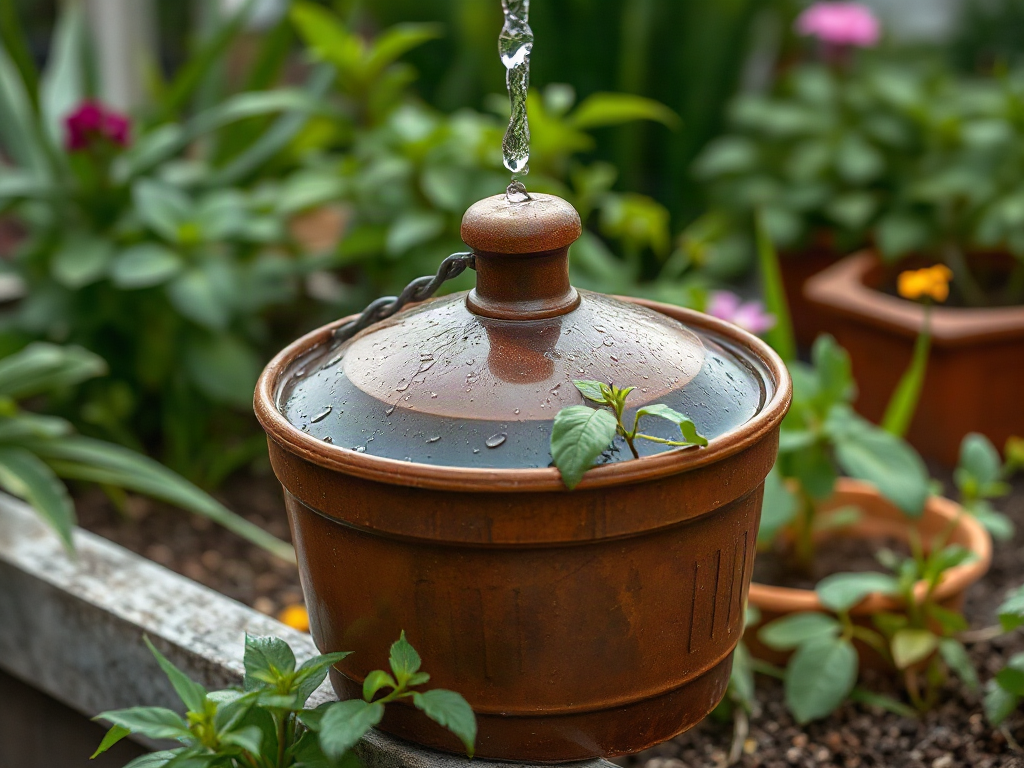
Rainwater Collection Rules for Homestead Gardens depend on local water law, safe roof-and-gutter design, clean storage, and using the water for appropriate garden irrigation rather than assuming every collected drop is suitable for every purpose. Check state, county, and municipal rules before installing tanks, because some locations limit container size, collection points, or allowable uses. Keep leaves, bird waste, roofing debris, and mosquitoes out with screened gutters, a first-flush diverter, covered tanks, and periodic cleaning. Use a properly placed overflow, stabilize barrels on a strong base, and avoid untreated water on edible leaves close to harvest unless local guidance supports that practice.
Check Local Rainwater Collection Rules Before Building
Rainwater collection is governed by location-specific rules, so a barrel that is acceptable in one homestead may require approval or be restricted in another. Regulations can address whether roof runoff may be captured, the number or capacity of containers, plumbing connections, backflow protection, permits, and approved uses. Colorado, for example, has defined limits for certain residential rain-barrel systems, while other jurisdictions use different requirements. That contrast makes a local check more reliable than a general claim that collection is either legal everywhere or prohibited everywhere.

Look first at your state water agency, county planning office, municipal utility, or building department. Ask specifically about detached tanks, multiple barrels, underground cisterns, and whether water may be connected to irrigation plumbing. A small covered barrel feeding a hand-watering can is usually a simpler compliance question than a large cistern supplying buried lines. The system’s scale and connection to household plumbing often matter as much as the fact that the water came from rain.
Do not treat “nonpotable” as a complete legal answer. Nonpotable water may be suitable for some landscape uses but still be subject to installation rules, cross-connection controls, or restrictions around edible crops. If a tank will sit near a property line, foundation, septic system, or public drainage route, local setback and overflow requirements may also apply.
- Confirm whether collection is allowed and whether a permit is needed.
- Record container capacity, overflow direction, and intended use before purchasing equipment.
- Ask whether municipal water and rainwater systems must remain physically separated.
- Save the agency’s written guidance with your garden records.
A common mistake is copying a neighbor’s setup without copying the conditions that made it lawful. A nearby property may have a different roof, tank volume, zoning status, or plumbing arrangement. For a broader planning reference, the Rainwater Collection Rules for Homestead Gardens topic can be kept with your site notes, but local authorities remain the deciding source for compliance.
Design a Collection System That Keeps Water Usable
A garden collection system works by directing roof runoff through gutters and downspouts into a screened container, but each stage affects water quality and reliability. Roofs collect dust, pollen, leaves, insects, bird droppings, and residues from roofing materials. The first water from a dry spell often carries the heaviest debris load, so sending that initial flow away from the tank is more useful than relying on a filter alone.
Gutters should slope toward downspouts without sagging, and screens should block leaves while allowing enough flow during a heavy storm. A first-flush diverter temporarily captures the beginning of a rainfall event before cleaner runoff enters the tank. It does not make water sterile, and it needs to be emptied or reset according to its design. A simple barrel without this feature may still water ornamental plants, but it places more sediment and contamination into storage.
Choose a container made for water storage and keep it opaque, covered, and fitted with a secure lid. Light entering a translucent barrel encourages algae, while an uncovered opening invites mosquitoes and falling debris. Food-grade construction may be a sensible choice for garden use, but it does not automatically make roof runoff safe for drinking. Never reuse a container that held fuel, pesticides, solvents, or unknown chemicals.
Overflow planning deserves as much attention as tank capacity. A full barrel can release a concentrated stream beside a foundation, wash soil from a bed, or flood a neighboring area. Direct overflow toward a stable vegetated zone, swale, or approved drainage route, and use an overflow fitting large enough for intense rain. Elevating a barrel improves gravity-fed watering, yet the platform must support the full wet weight without shifting. A ground-level tank with a pump may cost more and use electricity, but it can be safer where elevation would create instability.
For a practical design comparison, a beginner system might use one screened barrel, a diverter, and a watering can; an advanced setup may use several linked tanks, a pump, and dedicated irrigation lines. The larger system stores more water but also increases maintenance, structural, and regulatory obligations. A useful collection rules checklist should therefore include the roof material, tank location, overflow route, and intended crops before it includes brand names.
Store and Maintain Rainwater Safely
Stored rainwater becomes less dependable when sediment, organic matter, sunlight, and warm stagnant conditions are allowed to accumulate. The tank may look clean from the outside while sludge settles at the bottom and a biofilm develops around fittings. Keeping contaminants out at collection points is easier than trying to correct poor water quality after storage, so maintenance begins with the roof and gutter rather than the hose.
Inspect gutters and screens before the rainy season and after strong winds. Remove leaves, check that the diverter closes or drains correctly, and look for cracks around tank openings. Flush sediment from the barrel periodically, following the container manufacturer’s instructions where available. If water develops an unusual odor, oily appearance, heavy surface growth, or persistent discoloration, stop using it on edible portions until the source is identified and the tank is cleaned or replaced.
Mosquito control requires a sealed system, not just occasional treatment. Every inlet, overflow, and access point should be screened or designed to prevent insect entry. Do not add household chemicals, bleach, or pesticides to water intended for garden irrigation unless an appropriate authority or product label specifically supports that use. Chemical improvisation can damage plants, harm soil organisms, and create a new disposal problem.
Water quality also depends on the roof. Older materials, peeling coatings, treated wood, and areas exposed to chimney deposits may be poor collection surfaces. A clean metal roof may present a different risk profile from an aged roof with unknown coatings, but neither should be assumed safe for drinking without suitable testing and treatment. Rainwater for a garden is not automatically safer than tap water; it simply has a different contaminant pathway.
The usual failure mode is installing a barrel and forgetting it until a drought. A better routine pairs each major storm with a quick inspection and schedules a deeper cleaning before the storage season. Keep the tank shaded where practical, but leave access for inspection. A water-level mark can reveal whether the container is filling, leaking, or losing water through an unnoticed hose connection.
Use Collected Water Wisely in Food Gardens
Rainwater is most useful when it is matched to the crop, application method, and weather rather than treated as a universal replacement for every water source. Drip lines and soaker hoses place water near the root zone while limiting splash onto leaves. A watering can is practical for seedlings and containers, but pouring from height can disturb soil and spread contaminants across low-growing greens.
Use extra caution with crops eaten raw, especially lettuce, herbs, strawberries, and other produce whose edible surfaces may retain splashed water. Roof runoff can carry bird droppings and other microorganisms, and storage does not guarantee their removal. Applying water to soil near the plant stem or using drip irrigation reduces contact, but it does not turn untreated water into potable water. Follow local extension or public-health guidance when deciding how close to harvest collected water may be used.

Timing affects both efficiency and plant health. Watering during cooler parts of the day reduces rapid evaporation, while watering after a meaningful rainfall may waste stored water and keep beds excessively wet. Check soil several inches below the surface rather than judging only by a dry crust. Seedlings in small containers may need attention even when larger beds remain moist, and heavy clay soil may need smaller applications to prevent runoff.
Stored water also has opportunity costs. A 50-gallon barrel can empty quickly during a dry week, so reserve it for transplant establishment, containers, or high-value crops instead of attempting to irrigate an entire field. Mulch, compost-amended soil, shade cloth, and drought-tolerant crop choices reduce demand, allowing limited storage to cover more critical periods. Gardeners who expect one barrel to supply a large planting often misjudge both roof catchment and seasonal rainfall.
Use tap or well water when the tank is empty, contaminated, frozen, or legally unsuitable for the intended connection. Keeping the systems separate prevents backflow hazards and makes switching sources straightforward. The garden water planning notes should identify which beds can tolerate interruption and which plants need a backup schedule.
A Practical Setup and Inspection Checklist
The safest installation sequence is to settle the legal and physical questions before filling a tank. Walk the roofline during a dry day, trace every downspout, and identify where overflow would travel during a storm. Then size storage around the garden’s realistic demand rather than buying the largest container that fits. A small system that can be inspected and emptied is often more useful than a large system that becomes inaccessible.
Before the first storm, work through this compact check:
- Verify local rules, permits, container limits, and approved uses.
- Inspect the roof and gutters for debris, deteriorated materials, and loose fasteners.
- Install screens, a first-flush diverter, a covered tank, and a secure overflow.
- Place the container on a level, load-bearing base away from foundations and walkways.
- Label the water as nonpotable and keep hoses separate from drinking-water equipment.
- Test the first rainfall for leaks, overflow direction, and stable tank support.
- Set a recurring schedule for debris removal, sediment flushing, and mosquito checks.
Signs of a functioning system include clear flow through the downspout, a tank that fills without overflowing at weak joints, and an outlet that delivers water without sucking sediment into the hose. Warning signs include a barrel that tilts, persistent algae, standing water around the base, blocked screens, or a diverter that sends dirty runoff into storage. Correct those conditions before expanding capacity.
Choose the simplest system that meets the garden’s actual need. A hand-watered kitchen garden may need only one compliant barrel, while an orchard or large bed system may justify engineered storage and professional plumbing review. Expansion should follow a successful maintenance season, not precede it.
Conclusion
Rainwater collection for a homestead garden succeeds when legality, contamination control, storage stability, and realistic demand are treated as one system. Confirm local requirements before buying equipment, then keep roof runoff cleaner with maintained gutters, screens, and a first-flush diverter. Covered, opaque tanks with planned overflow reduce mosquito, algae, erosion, and flooding problems. Apply untreated water primarily to soil through a watering can or drip system, and use extra caution around raw leafy produce and harvest timing. Begin with a manageable barrel, document what happens during the first storms, and expand only after the setup proves stable and maintainable. When storage runs short or water quality changes, switch to an approved backup source instead of stretching the collection system beyond its safe purpose.
Frequently Asked Questions
Is collecting rainwater legal for a homestead garden?
Rules vary by state and local jurisdiction. Check the relevant water agency, planning office, or building department for container limits, permits, plumbing requirements, and allowed uses.
Should a first-flush diverter be used with a rain barrel?
It is generally useful because the first runoff can carry roof dust, leaves, bird waste, and other debris. It must be maintained and does not make water potable.
Can collected rainwater be used on vegetables?
It may be used for garden irrigation where local rules allow, but apply it to soil with drip lines or careful watering and avoid assuming untreated runoff is safe for raw produce.
How can mosquitoes be kept out of stored rainwater?
Use a tight cover and screen every inlet, overflow, and access opening. Inspect the system regularly for gaps or standing water outside the tank.
Where should a rain barrel overflow drain?
Direct overflow toward a stable, vegetated area or approved drainage route away from foundations, septic systems, walkways, and neighboring property.
Further Reading
Authoritative Sources
- Rainwater Collection on the Homestead
homesteadingfamily.comRainwater collection is legal in most states, but according to where you live, there may be specific requirements and regulations on rainwater ...
- Building Rainwater Collection Systems for Your Homestead
yanmartractor.comClear gutters and screens of debris at least twice a year. · Flush barrels periodically to remove sediment. · Consider adding a rainwater filtration system (opens ...
- Rainwater Collection in Colorado
extension.colostate.eduA maximum of two rain barrels with a combined storage of 110 gallons or less are allowed at each household. Collected rainwater may be used to ...
- Rainwater Collection Systems 101: How to Harvest ...
homesteadandchill.comLearn how to set up and use a basic home rainwater collection system, including tank options, water contamination, mosquito breeding, ...