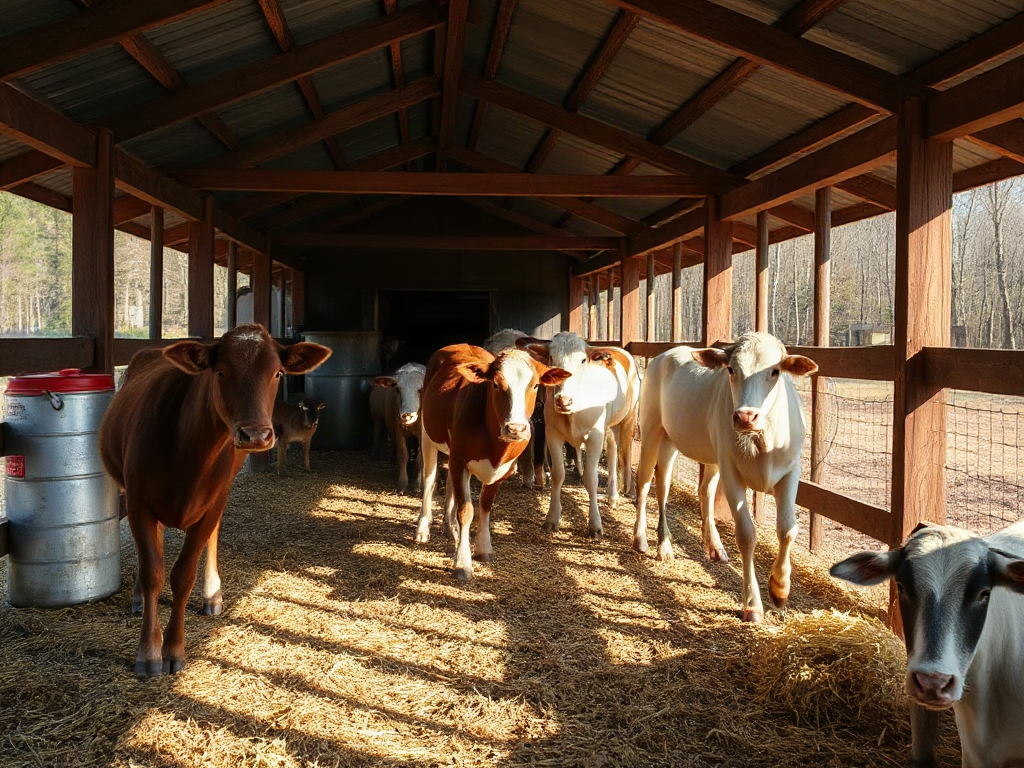
A homestead animal shelter for changing weather should combine a dry elevated floor, adjustable ventilation, wind and shade protection, and daily checks that match the forecast. Good drainage keeps rain and melting snow away from bedding, while roof overhangs and sealed lower walls reduce drafts without trapping damp air. Openings should allow summer airflow but close against wind-driven rain, and shade should protect animals when heat builds inside the structure. Check bedding, water, footing, fasteners, and animal behavior after each major weather change.
Shelter Priorities That Work Across Weather Changes
A dependable animal shelter is built around dryness, airflow, safe footing, and protection from the strongest exposure—not around a single target temperature. Chickens, goats, sheep, rabbits, pigs, and other livestock tolerate changing conditions differently, but every species needs a place where it can get out of driving rain, direct summer sun, strong wind, and wet ground. The shelter should also let the keeper inspect animals, refill water, remove soiled bedding, and respond quickly when conditions shift.

Location determines much of that performance. A building placed in a low spot may collect runoff even if its roof is sound. A structure facing prevailing winter wind may need a solid wall on that side, while a summer-facing opening can become dangerously hot if it lacks shade. Walk the proposed site during rain if possible. Look for flowing water, soft ground, exposed roots, and areas where animals already seek relief. A modest shed on high, well-drained ground often performs better than a larger shelter in a wet depression.
Match the interior to the animals rather than assuming one open room suits everything. Goats need dry resting areas and secure fencing; poultry need roosting space and predator-resistant openings; rabbits need protection from both heat and drafts; pigs may require a cooler wallow area outside the sleeping zone. Mixed-species housing can reduce construction costs, but competition, disease management, and incompatible bedding needs may outweigh that convenience.
- First priority: keep bedding and resting surfaces dry.
- Second priority: provide shade and controlled airflow during heat.
- Third priority: block direct wind and precipitation without sealing in moisture.
- Fourth priority: make cleaning, observation, and emergency access straightforward.
A common mistake is treating insulation as the main answer. Insulation may moderate temperature in a well-built structure, but it cannot correct flooding, poor ventilation, or overcrowding. Begin with site drainage and animal access, then improve walls or insulation where the local climate and species justify the cost. The internal layout can also support homestead animal shelter planning by separating feed, bedding, and resting zones.
Ventilation, Draft Control, and Temperature Management
Ventilation removes moisture, stale air, dust, and ammonia from animal housing. Draft control is different: it prevents strong moving air from blowing directly across resting animals. A shelter that is completely closed may feel warmer at first, but condensation can wet bedding and surfaces. A shelter with large openings at animal level may stay dry yet expose young, small, or weakened animals to chilling.
Place high vents or adjustable openings above the animals’ resting height so warm, moist air can escape. Lower openings can supply replacement air when they are shielded from prevailing wind. In a small poultry house, for example, screened vents near the roof may provide useful exchange while solid lower walls reduce direct drafts. In a goat shed, a wide opening facing away from the strongest weather may work better than several small cracks that create unpredictable air movement.
Observe the shelter rather than relying only on a thermometer. Condensation on roofing, damp rafters, persistent ammonia odor, wet bedding near walls, or animals avoiding one area indicate that the airflow pattern needs attention. Panting, crowding near an opening, wings held away from the body in poultry, or excessive lethargy during hot weather call for immediate cooling measures and veterinary advice if distress continues.
Summer and winter require adjustment, not two entirely different buildings. Use removable windbreaks, hinged shutters, shade cloth positioned outside the air path, and screened openings that can be cleaned. Avoid placing plastic sheeting where it can flap into pens, block all ventilation, or become a chewing hazard. Fans may help in heat, but they require protected wiring and should not substitute for shade or fresh air.
The weak assumption is that a warmer shelter is always safer in cold weather. Healthy adult animals often benefit more from a dry bed and clean air than from a tightly sealed room. Young animals, newly shorn sheep, sick animals, and breeds poorly suited to local extremes need additional protection, but any added heat should be introduced with close monitoring. For species-specific planning, a weather-ready livestock shelter layout should show both the protected resting area and the route for air exchange.
Roofs, Floors, Drainage, and Weather-Resistant Materials
The roof should shed water beyond the walls, while the ground around the shelter should direct runoff away from entrances. Generous overhangs help protect bedding and doorway areas, but they do not solve water that rises from below. Grade the surrounding surface where practical, add a roof drainage path, and avoid directing downspouts into a pen. A gravel apron at high-traffic entrances can reduce mud, though it needs periodic replenishment and should not contain sharp pieces that injure hooves or paws.
Elevated floors are useful in wet locations and for smaller animals vulnerable to dampness. Concrete is durable and easy to wash, but it can be hard and cold without dry bedding or resting mats. Packed gravel drains well when installed correctly, yet it may become uneven or contaminated with manure. Wood is warmer underfoot but can rot where urine, rain, and poor airflow meet. The right choice depends on species, cleaning routines, local moisture, and budget rather than appearance alone.
Inspect the roof after wind events for lifted panels, exposed fasteners, and gaps at ridge or wall connections. Metal roofing can shed rain effectively but may transmit heat and noise; shade, insulation, or a ventilated roof assembly may improve comfort. Plywood and lumber need protection from persistent wetting, and treated materials must be used according to their labeling and kept away from animals that can chew them.
Doorways deserve special attention because they combine traffic, runoff, and drafts. A raised threshold can keep rain out but may create a tripping hazard for goats, sheep, or older animals. A shallow covered transition area can be safer than a tall step. Gates should open outward where evacuation requires it, latch securely, and remain operable when mud, ice, or bedding builds up.

Do not use bedding to disguise a drainage failure. Deep bedding may absorb some moisture, but a saturated layer becomes heavy, odorous, and difficult to manage. If the same corner stays wet after fresh bedding is added, correct the roof edge, wall leak, ground slope, or plumbing source first. This practical distinction keeps a low-cost shelter from becoming a recurring health and labor problem.
Seasonal Inspection and Emergency Adjustments
A changing-weather shelter needs a repeatable inspection routine because small defects become serious during storms, freezes, and heat waves. Check the structure before the season changes and again after unusual weather. Look at roof panels, vents, screens, hinges, latches, electrical protection, fencing, bedding depth, and water access. Record repairs so a temporary fix does not quietly become a permanent weakness.
Use the forecast to prepare for the actual hazard. Before heavy rain, clear drainage channels, move feed off the floor, and check that animals can reach dry ground without passing through a flooded entrance. Before high wind, secure loose panels and remove objects that could strike the shelter. Before freezing weather, protect water lines and confirm that gates still open. Before heat, install shade, clean vents, and provide multiple water points when animals could crowd one container.
A compact response checklist is more useful than a long supply list:
- Confirm dry resting space and replace wet bedding.
- Check water for cleanliness, access, and freezing or overheating.
- Inspect animal footing for mud, ice, sharp debris, or slippery surfaces.
- Open or close adjustable vents according to wind, humidity, and heat.
- Verify that every animal can leave a crowded area and that sick or vulnerable animals have a separate option.
Test the shelter under ordinary conditions before an emergency. A door that sticks during a calm afternoon may become unusable after swelling rain or ice. A portable panel that works as a windbreak may fall when fastened to weak siding. Keep replacement fasteners, clean bedding, buckets, safe lighting, and a weather-appropriate backup water plan where they can be reached quickly.
Monitor animal behavior as an early warning system, while recognizing that behavior alone is not a diagnosis. Persistent shivering, heat stress, breathing difficulty, collapse, injury, or refusal to drink warrants prompt veterinary guidance. Shelter adjustments can reduce exposure, but they do not replace treatment for illness or injury. A seasonal log linked to animal shelter weather checks can reveal recurring problems such as one wet corner, a hot afternoon wall, or a gate that fails in mud.
For species-specific housing dimensions, ventilation details, and weather precautions, consult local university extension publications, state agricultural agencies, and veterinary resources. Their recommendations may differ by animal age, breed, stocking density, and regional climate, so use them alongside direct observation of the shelter and its occupants.
Frequently Asked Questions
Should an animal shelter be completely enclosed in winter?
No. It should block direct wind and precipitation while retaining controlled high-level ventilation. A sealed room can accumulate condensation, ammonia, and damp bedding.
What is the most important feature of a weather-ready shelter?
Dry resting space is the first priority. Good drainage, a sound roof, and manageable bedding usually matter more than expensive insulation.
How can a small shelter stay cooler in summer?
Provide exterior shade, cross-ventilation above animal level, clean water, and a roof that limits solar heat. Avoid blocking openings with solid materials during hot periods.
Is concrete suitable for livestock shelter floors?
Concrete is durable and washable, but animals need dry bedding and comfortable resting surfaces. Slope and drainage must prevent standing water.
How often should a shelter be inspected?
Inspect it before major seasonal changes, after severe weather, and during routine chores. Daily observation should include bedding, water, footing, airflow, and animal behavior.
Conclusion
A reliable shelter responds to weather instead of resisting every season with the same closed design. Put dry footing, runoff control, protected ventilation, shade, and safe access ahead of cosmetic improvements or costly insulation. Walk the site during rain, observe where animals rest during heat and wind, and correct the specific failure you can see: a leaking roof edge, wet bedding, blocked vent, unstable gate, or exposed water source. Adjustable features make a basic structure more useful because they allow seasonal changes without compromising air quality. Keep vulnerable animals under closer observation and seek veterinary help when behavior suggests illness or distress. A short inspection after each major weather event will protect the investment and reveal small repairs before they become urgent shelter failures.