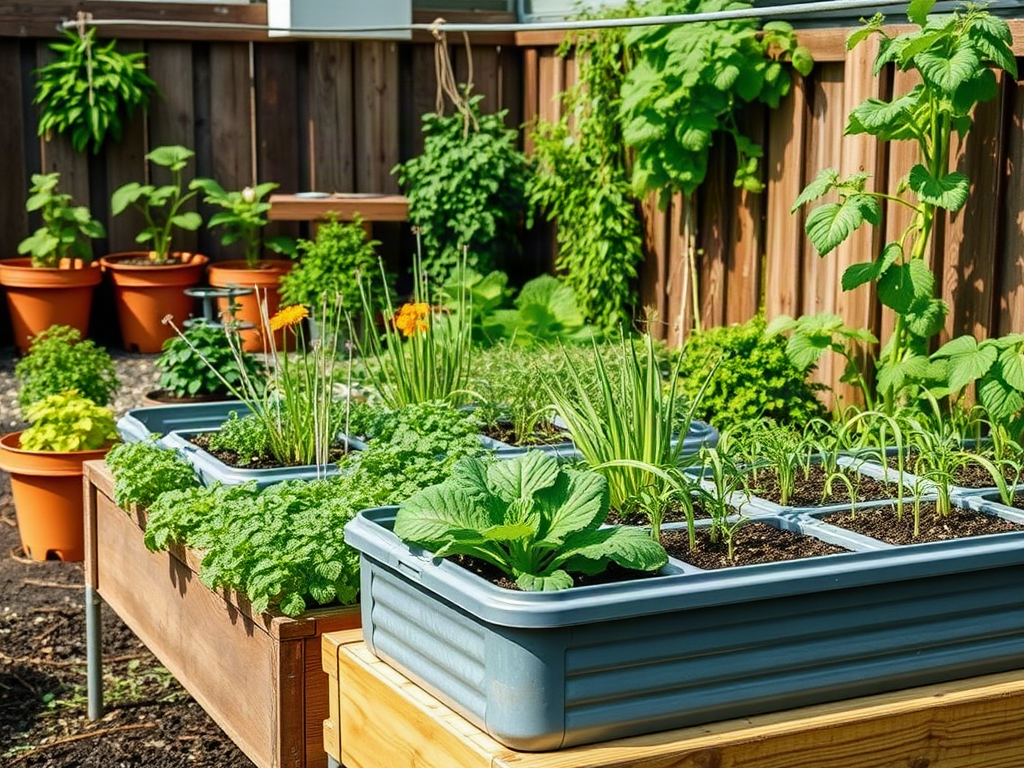
Urban farming methods for beginner homesteaders work best when the food plan matches available sunlight, load-bearing space, water access, and daily maintenance capacity. Begin with containers or raised beds for leafy greens, herbs, compact tomatoes, peppers, and bush beans, then add vertical supports or simple season protection only when they solve a specific constraint. Use clean potting mix, containers with drainage, and a nearby water source rather than relying on shallow decorative pots or improvised rooftop installations. A small, productive setup that can be watered, inspected, and harvested consistently is more useful than a complicated system that exceeds the site or the beginner’s available time.
Evaluate Sun, Space, Water, and Site Restrictions
A useful site assessment measures what the space can support before seeds, containers, or equipment are purchased. Watch the proposed growing area several times during a clear day and record when direct sunlight reaches it. A south- or west-facing patio may receive enough light for fruiting vegetables, while a balcony shaded by nearby buildings may be better suited to lettuce, parsley, chives, mint, or other crops grown mainly for their leaves.
Sun exposure can change during the season. A balcony that looks bright before neighboring trees leaf out may become shaded by early summer. Buildings also create reflected heat and wind tunnels. Dark masonry can make containers dry quickly, while an exposed upper-floor balcony can damage broad leaves and topple unsupported plants. Choosing plants from a seed packet’s light guidance is helpful, but observations from the actual site should determine the final placement.
Water access is often the operational limit. Carrying a watering can through a carpeted apartment twice a day during hot weather quickly turns a large container collection into a burden. Place demanding crops close to a hose or sink when possible, use saucers only where runoff must be controlled, and empty standing water rather than allowing roots to remain saturated. Self-watering planters can reduce watering frequency, although their reservoirs still need inspection and occasional cleaning.
Structural and legal limits deserve equal attention. Wet soil is heavy, especially in large planters clustered on a balcony or roof. Renters should check lease provisions, and anyone considering a rooftop installation should obtain permission and qualified guidance about loading, waterproofing, drainage, and safe access. Fire exits, utility equipment, railings, and shared walkways must remain clear. Edible production near older painted surfaces or questionable ground also calls for caution; imported container mix or a lined raised bed may be preferable to planting directly in uncertain soil.
Complete this first inspection before comparing Urban farming methods for beginner homesteaders. A method that looks efficient on paper can fail if it needs six hours of sun where only three are available, or if every gallon of water must be carried up several flights of stairs. Good site selection prevents more problems than expensive corrective products.
Choose a Small-Space Production Method
Containers are usually the most forgiving entry point because they can be moved, replaced, and scaled one unit at a time. Each pot needs drainage holes, enough volume for its crop, and a growing medium formulated for containers. Garden soil placed in a pot tends to compact and drain poorly. A lightweight potting mix maintains air around roots, although it dries faster and contains a limited reserve of nutrients.
Raised beds make better use of a sunny yard, driveway edge, or paved courtyard when permanent placement is acceptable. They provide more continuous root space than separate pots and make crop rotation and drip irrigation easier. Their disadvantages are the initial volume of mix required, the difficulty of moving them, and the need to prevent water from damaging pavement or neighboring property. A small bed that can be reached from every side is more practical than a wide bed that requires stepping onto the growing area.
Vertical production uses trellises, strings, wall-mounted pockets, or stacked planters to shift foliage upward. It is valuable when floor area is scarce, but it does not create additional sunlight, root volume, or water. Pole beans and compact cucumbers can climb a firmly anchored trellis; tomatoes still need substantial containers and sturdy support. Wall pockets work better for shallow-rooted herbs and greens than for large fruiting plants. The common mistake is treating vertical height as unlimited productive space, then crowding plants until lower leaves remain shaded and damp.
Hydroponic systems can produce greens indoors or where clean soil placement is difficult, but they introduce pumps, nutrient measurement, reservoir sanitation, and possible lighting costs. A passive or compact countertop system may be manageable for herbs and lettuce. A larger recirculating installation is less tolerant of neglected water levels or equipment failure. Beginners seeking resilience rather than a technical hobby may get more food per hour of attention from several well-sized containers.
A practical choice follows the constraint:
- Movability or rental restrictions: use individual pots or grow bags.
- A stable sunny yard: consider one modest raised bed.
- Limited floor area: add a secure trellis to suitable containers.
- No usable outdoor light: grow a small number of greens under purpose-built lights rather than attempting sun-loving crops on a windowsill.
Combining methods is reasonable once each component has a job. Two tomato pots, a railing-safe herb box, and a bean trellis form a coherent system. Adding towers, hydroponics, composting, and automated irrigation at the same time makes it difficult to identify why a plant is struggling.
Match Foods to Containers and Growing Conditions
Crop selection should favor foods that are eaten regularly, fit the available root volume, and tolerate the site’s light and temperature pattern. Leaf lettuce, arugula, radishes, scallions, parsley, basil, and chives offer useful returns from relatively small areas. Bush beans, peppers, compact tomatoes, and patio cucumbers require more sun and root space but can still perform well in appropriately sized planters.
Container size affects more than the physical fit of a root system. A larger volume changes temperature and moisture more slowly, giving the grower more time to respond on a hot afternoon. Several lettuce plants may share a broad box, but a tomato is better placed in its own substantial container with support installed at planting time. Tiny pots force frequent watering, restrict roots, and can accumulate fertilizer salts. Decorative containers without holes are cachepots, not direct growing vessels, unless a drained inner pot can be removed for watering.
Fast crops and long-season crops serve different purposes. Radishes and baby greens can occupy a box for a short interval, making them useful for learning watering and sowing density. Tomatoes and peppers commit the same area for much of the warm season and may not produce well if sunlight is marginal. A beginner with four sunny containers might dedicate two to dependable herbs and greens, one to bush beans, and one to a compact tomato instead of filling all four with tomatoes.
Indoor windowsills are commonly overestimated. Brightness that feels comfortable to a person may still produce stretched seedlings and weak fruiting plants. Greens and herbs are more realistic than cucumbers or full-size tomatoes near an ordinary window. When supplemental lights are used, they must be positioned and operated according to the fixture’s instructions; a lamp placed too far away may keep plants alive without supporting sturdy growth.
Healthy progress is visible as compact new leaves, roots that do not sit in stagnant water, and soil moisture that declines at a predictable rate. Warning signs include permanently wet mix, sour odors, algae on an always-damp surface, pale growth, scorched leaf edges, or midday wilting that does not recover after conditions cool. Do not respond automatically with fertilizer. Check moisture, drainage, heat, pests, and light first because excess feeding cannot correct suffocated roots or inadequate sun.
Succession sowing makes a small area more productive without adding containers. Sow a modest amount of lettuce or radish, then repeat after an interval rather than planting every seed at once. This spreads harvests and creates a second chance if weather or pests damage the first batch. The approach is especially useful within a planned set of Urban farming methods for beginner homesteaders because it replaces a single glut with a steadier kitchen supply.
Build a Manageable First-Season Plan
A first-season plan should be small enough to inspect in a few minutes but varied enough to reveal how the site behaves. Four to six containers or one compact bed can show where heat builds, how quickly the mix dries, which pests appear, and whether the household actually uses the harvest. Expanding before learning those patterns usually increases expense and maintenance rather than useful output.
Begin with a short food inventory. Note which herbs and vegetables the household buys repeatedly, then remove choices that do not match the available light or container depth. Buy clean potting mix, containers with unobstructed drainage, labels, and supports needed by the chosen plants. Decide where excess water will go before filling anything. Installing a trellis after vines have tangled or moving a saturated planter across a balcony creates avoidable damage.
Use a compact startup sequence:
- Map the site: record direct sun, strong wind, water access, and allowed placement.
- Select one primary method: containers, a raised bed, or a small indoor system.
- Choose three crop roles: a frequently harvested herb, a quick green or root, and one longer-season vegetable if light permits.
- Set a care routine: check moisture with a finger below the surface, inspect leaf undersides, and remove damaged material.
- Keep brief records: note sowing dates, heat stress, watering frequency, harvests, and replacements.
Water according to the root zone rather than a fixed calendar. Hot, windy days can dry a pot rapidly, while cool cloudy weather slows water use. Apply water thoroughly until excess drains, then reassess later instead of giving frequent superficial splashes. Shallow watering encourages roots to remain near the surface and can leave the center of the container dry. Mulch may moderate evaporation outdoors, but it should not conceal persistently saturated mix.
Fertilizer should follow the product label and the needs of container culture. Nutrients wash from containers over time, yet more is not necessarily better. Overapplication can injure roots and encourage soft foliage. Compost can contribute organic matter in an outdoor bed, but unfinished compost, pet waste, and unknown urban materials do not belong around food crops. Keep composting separate from production until the material is mature and the process can be managed without odors or pests.
Review the system after several weeks. Continue crops that remain sturdy and useful in the kitchen. Replace plants that repeatedly bolt, scorch, or stretch because the site does not suit them. A failed tomato in deep shade is evidence for switching crops, not a reason to buy stronger fertilizer. Expansion is justified when watering remains manageable, drainage causes no conflict, and current plants are being harvested rather than merely maintained.
Frequently Asked Questions
What is the easiest urban farming method for a beginner?
Containers are usually easiest because they require little permanent construction and can be moved as sunlight changes. Begin with a few properly drained pots near a convenient water source.
Which foods grow well in a small urban space?
Leaf lettuce, radishes, scallions, basil, parsley, chives, bush beans, peppers, and compact tomato varieties are practical choices. Match each crop to the site's light and the container volume it needs.
Can vegetables grow on a shaded balcony?
Some leafy greens and herbs tolerate partial shade, but growth may be slower. Fruiting crops such as tomatoes and peppers generally need a sunnier position to produce well.
Is hydroponics better than container gardening?
Hydroponics can suit indoor greens or soil-free locations, but it requires nutrient and reservoir management. Containers are generally simpler when usable outdoor light and safe drainage are available.
How can I tell whether an urban garden is too large?
The setup is too large if watering is routinely delayed, plants go uninspected, produce is wasted, or runoff creates problems. Reduce the number of containers before adding automation or more equipment.
Conclusion
A productive urban plot is shaped less by the number of techniques used than by how well each one fits the site. Measure direct sun, confirm safe placement, and solve water and drainage before purchasing plants. Containers offer a low-risk beginning for most renters and small-space growers, while raised beds, trellises, or hydroponics should be added only when they address a known limitation. Choose foods the household will eat, provide adequate root volume, and monitor moisture before reaching for fertilizer. After one cycle of sowing, care, and harvest, use written observations to decide what deserves more space. That measured expansion creates a reliable food system without turning a balcony, patio, or small yard into an unmanageable collection of projects.