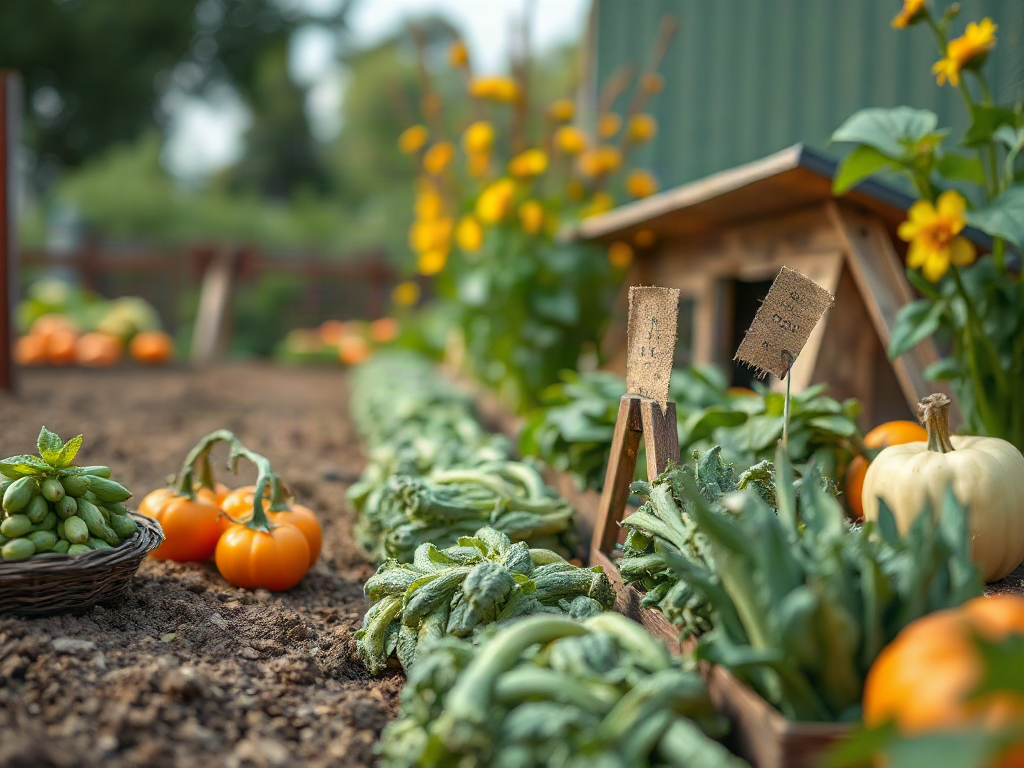
The types of farming most relevant to household production are intensive kitchen gardening, field cropping, mixed crop-livestock systems, small-animal husbandry, perennial food production, and protected or soilless cultivation. The best choice depends on available land, water, labor, climate, storage capacity, and the foods a household actually uses. Small gardens can supply frequent vegetables and herbs, while grains, livestock, and orchards demand more space, infrastructure, or delayed returns. Combining two or three compatible systems usually provides a steadier household harvest than relying on a single enterprise, but every addition increases daily work and management complexity.
How Do the Six Household Farming Models Compare?
Household-scale agriculture is better classified by what it produces and how it uses space than by farm acreage alone. A quarter-acre vegetable plot, a flock of laying hens, and an established fruit planting can all contribute meaningfully to the home food supply, yet they have very different labor patterns, costs, and failure points.
Intensive kitchen gardening concentrates vegetables, culinary herbs, and small fruits in closely managed beds. It offers frequent harvests from limited space because succession sowing, trellising, compost use, and careful spacing keep the growing area occupied. Lettuce followed by bush beans and then a fall root crop is a typical seasonal sequence. Its weakness is the demand for regular watering, weeding, planting, and harvesting; an oversized garden can turn ripe produce into waste during the busiest weeks.
Field cropping uses larger, less intensively managed areas for potatoes, dry beans, corn, squash, grains, or animal forage. These crops may supply calories or storable staples that salad beds cannot. They also require suitable harvesting, curing, threshing, milling, or storage arrangements. Growing wheat is not especially useful to a household that lacks the space to process and store grain, whereas potatoes may fit the same goal with simpler post-harvest handling.
Mixed crop-livestock farming links plant production with animals. Chickens may consume garden trimmings, while properly composted manure contributes organic matter to crop ground. The apparent efficiency should not hide the operational burden: animals need care every day, fencing must be dependable, and raw manure requires appropriate handling before food-crop use. The system works best when each component has a defined purpose rather than being added simply because a mixed homestead seems desirable.
Small-animal husbandry focuses on eggs, meat, milk, fiber, manure, or another animal product. Poultry and rabbits generally need less land than cattle, but small size does not eliminate feed costs, predator pressure, shelter needs, veterinary concerns, or local restrictions. A laying flock can provide a recurring food product, although winter laying, molting, and aging birds make output uneven.
Perennial production includes fruit trees, berries, nuts, asparagus, rhubarb, and other crops that remain in place for years. Once established, these plantings can reduce annual soil preparation, but they occupy space before reaching mature output. A poorly located tree is difficult to correct later, so drainage, mature size, pollination needs, and harvest access matter more than quick planting.
Protected or soilless cultivation uses greenhouses, cold frames, high tunnels, containers, or hydroponic equipment to modify the growing environment. These systems can extend harvest periods or make paved and contaminated sites more usable. They do not remove biological constraints: heat buildup, nutrient imbalance, equipment failure, and restricted root volume can damage crops quickly. Their strongest household role is usually targeted production, such as winter greens or protected tomatoes, rather than replacing every outdoor crop.
How Should Land, Water, and Labor Shape the Choice?
Usable resources—not total property size—set the practical production ceiling. A large shaded parcel with poor access to water may support less vegetable production than a sunny urban yard with reliable irrigation. Before selecting a system, map direct sun, drainage, slopes, existing trees, frost pockets, water points, vehicle access, and areas reserved for recreation or utilities.
Labor should be measured by timing as well as hours. Vegetable gardens create peaks during bed preparation, transplanting, weed flushes, and preservation season. Livestock distributes work across every day, including bad weather and holidays. Orchards may require relatively little weekly attention but produce concentrated pruning, thinning, pest monitoring, and harvest tasks. A household with limited weekday time may cope better with perennial berries and storage crops than with a large succession-planted market-style garden.
| Production Model | Space Pattern | Labor Pattern | Main Constraint |
|---|---|---|---|
| Intensive garden | Compact, sunny beds | Frequent seasonal attention | Water and timely harvesting |
| Field crops | Broader open ground | Work concentrated around planting and harvest | Processing and storage |
| Mixed crop-livestock | Separate growing and animal areas | Daily plus seasonal work | Fencing, feed, and manure handling |
| Small livestock | Shelter and secure outdoor area | Daily care | Feed supply and predator control |
| Perennial crops | Long-term dedicated sites | Seasonal maintenance | Delayed yield and fixed placement |
| Protected or soilless | Structures, containers, or indoor space | Regular monitoring | Temperature, nutrients, and equipment |
Water availability deserves a separate check. Roof collection may supplement irrigation, but storage volume and rainfall timing can limit its usefulness during dry periods. Hand watering is manageable for a few containers and exhausting for a large plot. Drip lines reduce repetitive work, although filters, pressure, leaks, and seasonal shutdown still require attention. Livestock water must remain clean and available regardless of garden irrigation priorities.
Budget comparisons should include recurring inputs rather than only startup purchases. A greenhouse frame may be bought once, while replacement coverings, ventilation equipment, growing media, and energy can continue to cost money. Livestock housing is similarly incomplete without feed, bedding, fencing maintenance, and contingencies for illness or injury. Outdoor beds may appear cheaper, but soil amendments, irrigation components, tools, and preservation supplies accumulate.
A useful warning sign is dependence on one scarce resource. If every enterprise needs irrigation at the same summer peak, water becomes a single point of failure. If animal care depends entirely on one person, illness or travel threatens the system. Choose a scale that still functions during a difficult week, not merely one that looks productive under ideal conditions.
Which System Best Matches Household Food Needs?
The most valuable household system produces foods that replace actual purchases or improve meals the family already prepares. High yields have little value when the crop is unwanted, difficult to preserve, or harvested in quantities that exceed kitchen capacity. Start with grocery receipts and meal patterns rather than a catalog of possible enterprises.
For fresh flavor and frequent picking, an intensive garden usually has the strongest return on limited ground. Tomatoes, salad greens, snap beans, peppers, herbs, and cucumbers can move directly from plot to kitchen. The tradeoff is perishability. A row of greens can become unusable quickly in hot weather, so staggered sowing is more practical than planting the entire seed packet at once.
Households seeking winter staples need a different crop mix. Potatoes, winter squash, onions, garlic, dry beans, and suitable root crops can remain useful long after harvest when cured and stored under appropriate conditions. Storage infrastructure becomes part of the farming system. A warm, damp basement or freezing shed can erase the advantage of growing a large staple crop, making a smaller planting and another preservation method more sensible.
Animal enterprises are appropriate when eggs, meat, milk, or fiber has a clear household use and the residents accept year-round husbandry. Chickens do not convert every household scrap into free eggs; balanced feed remains central to consistent production. Dairy animals create an even stricter schedule because milking, sanitation, breeding, feed, and surplus milk handling cannot be treated as occasional tasks. Beginners often underestimate the work after the product leaves the animal.
Perennial crops suit households prepared to exchange immediate output for later stability. Berry bushes can fit boundaries and edges, while dwarf fruit trees may be easier to prune and harvest than full-size trees. Local climate and disease pressure strongly influence which plants are sensible. Choosing a familiar fruit without checking chill needs, bloom timing, pollination, or regional pest problems can leave a healthy-looking plant with poor harvests.
A compact household production plan can follow four priorities:
- Protect foods used weekly. Reserve the best space for crops or products that regularly enter meals.
- Balance fresh and storable output. Avoid creating a harvest that must all be eaten or processed immediately.
- Confirm post-harvest capacity. Match planting volume to refrigeration, curing, freezing, drying, or safe canning capability.
- Test unfamiliar enterprises at small scale. A short bed, several containers, or a modest flock reveals workload before major expansion.
Success is visible when harvests are used, routine work fits the household schedule, and waste remains manageable. Repeated missed harvests, neglected maintenance, excessive purchased inputs, or produce accumulating without a plan indicate that the system is too large or poorly matched to household demand.
How Can Several Farming Types Work Together?
A resilient household farm combines enterprises with complementary schedules and resource needs. Diversity can spread harvests across the year and reduce reliance on a single crop, but complexity rises faster than the number of enterprises. Adding hens to a garden introduces feed storage, fencing, manure management, daily watering, predator protection, and contingency care—not merely eggs.
A practical small-property combination might include intensively planted vegetables near the house, berry bushes along a sunny boundary, and a separate chicken run. The garden supplies quick seasonal produce, berries provide a longer-lived crop, and hens produce eggs. Keeping the birds out of active beds prevents scratching and crop damage; controlled access after harvest can allow them to consume residues without treating them as a substitute for deliberate bed preparation.
Another household may pair a modest staple plot with cold frames. Potatoes and squash occupy open ground during the main season, while the frames protect greens during cooler periods. This pairing serves storage and fresh-food goals without requiring livestock. It may be better for residents who travel occasionally or cannot commit to daily animal care.
Integration works when material flows are safe and useful. Leaves, garden residues, and suitable bedding can enter a managed compost system. Finished compost can return organic matter to beds, while diseased plants, persistent weeds, and questionable materials may need different handling. Manure is not automatically ready-to-use fertilizer; its source, age, storage, and application timing affect how it should be managed around food crops.
Expansion should follow evidence from a complete production cycle. Record planting dates, harvest amounts in useful household units, purchased inputs, crop losses, preservation time, and weeks when work became unmanageable. These notes expose false economies. A crop may look abundant yet save little if specialized supplies and unused surplus outweigh its kitchen value. Conversely, a small herb bed may replace frequent purchases with little processing.
The common failure is launching multiple systems before basic routines are stable. Begin with one annual system and, if desired, one slow-developing perennial component. Improve irrigation, storage, access, and recordkeeping before adding animals or controlled-environment equipment. Expand when existing work is completed on time and the household uses most of what is produced. Reduce or redesign when maintenance is routinely deferred, animal care lacks backup, or peak harvests overwhelm the kitchen.
Frequently Asked Questions
What is the easiest type of farming for household food production?
A small kitchen garden is usually the most accessible because it can begin with a few beds or containers and does not create daily animal-care obligations. Choose a limited number of frequently eaten crops and secure watering before expanding.
Can a small yard produce a meaningful amount of food?
Yes, especially when sunny space is assigned to high-use vegetables, herbs, berries, or trellised crops. A small yard is less suited to bulk grains and large livestock because those systems require more ground, processing capacity, or support infrastructure.
Is mixed farming better than growing crops alone?
Mixed farming can diversify food output and connect compost, crops, and animals, but it adds daily duties and infrastructure. Crop-only production is often more suitable when labor, fencing, feed storage, or reliable backup care is limited.
Does hydroponic production replace an outdoor household garden?
Hydroponics can produce greens, herbs, and selected fruiting crops where soil or outdoor space is unsuitable. It does not automatically replace inexpensive outdoor production of potatoes, squash, dry beans, fruit trees, or other space-intensive crops.
How should a beginner choose between vegetables and livestock?
Choose vegetables when seasonal work and flexible absences fit the household better. Consider livestock only when the desired product justifies daily feeding, watering, cleaning, secure housing, and arrangements for care during travel or emergencies.
Conclusion
Household production works best when its scale is set by usable resources and eating habits rather than the amount of land on a property. Begin by identifying several foods the household buys regularly, then check whether the site can supply the sun, water, access, storage, and labor those foods require. An intensive garden offers a manageable entry point for many homes, while staple plots, animals, perennial plantings, and protected cultivation should solve a specific need before they are added.
Test new enterprises at modest scale and track what reaches the kitchen, what is wasted, and where work accumulates. Strengthen irrigation, fencing, storage, preservation, and backup care before increasing output. A smaller combination that remains productive through heat, travel, and busy weeks is more useful than an ambitious layout that depends on perfect conditions.