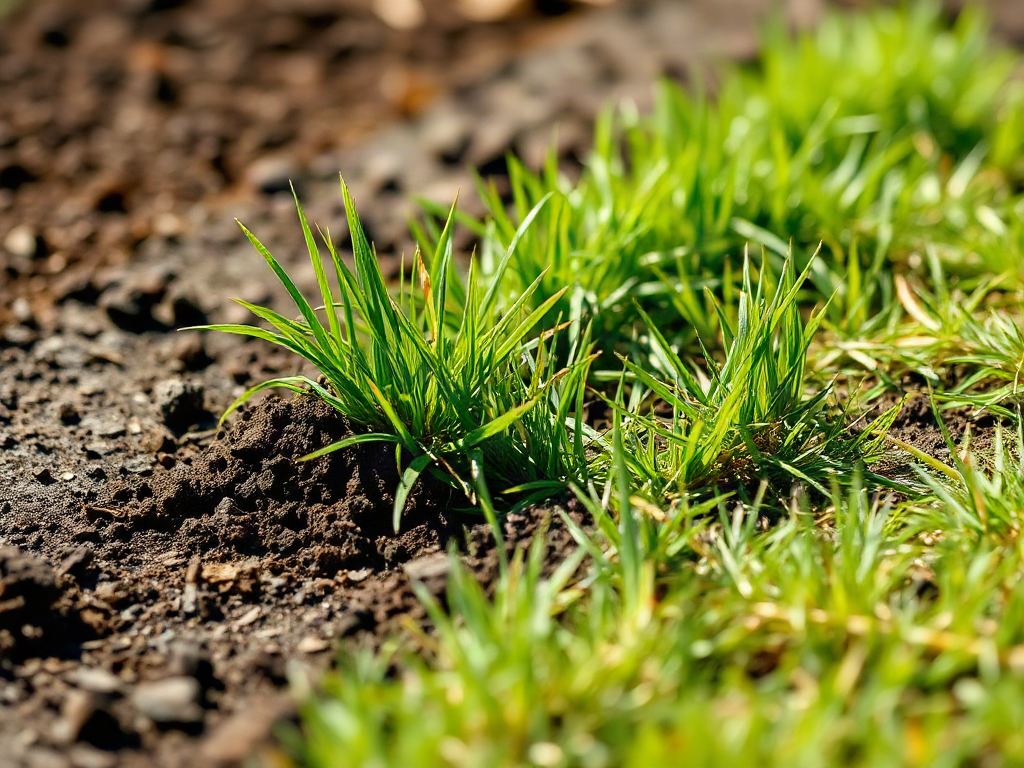
Bare soil preparation before spreading grass seed should produce a firm, level seedbed with corrected drainage, suitable soil chemistry, and a finely loosened surface that holds moisture around the seed. Remove debris and persistent weeds, test the soil, correct serious grading problems, and incorporate only the amendments the site actually needs. Finish by raking the upper inch into small crumbs, firming soil that feels fluffy underfoot, and confirming that water soaks in without pooling. Do not bury grass seed under deep compost or freshly tilled clods; consistent seed-to-soil contact and shallow placement matter more than creating an overly soft bed.
Assess Soil, Drainage, and Site Conditions
A useful site assessment separates problems that seedbed work can correct from conditions that will continue damaging the lawn after germination. Bare ground may result from construction disturbance, prolonged traffic, poor drainage, shade, drought, unsuitable soil chemistry, or removal of an old lawn. Simply raking and seeding will not correct standing water, a buried layer of rubble, or dense shade that prevents the selected grass from receiving enough light.
Begin by watching the site during or shortly after rain. Water that remains in shallow depressions reveals grading problems, while runoff that races across the surface suggests a slope, crusted soil, or both. Probe several spots with a shovel rather than judging the property from one handful of topsoil. A dark surface layer can conceal compacted subsoil, construction fill, stones, or an abrupt texture change that restricts roots and water movement.
A soil test is the sound basis for decisions about lime, sulfur, phosphorus, and other nutrients. Collect multiple small samples from the area at a consistent depth, mix them in a clean container, and submit the combined sample according to the laboratory’s instructions. Keep unusual areas separate. For example, a persistently wet corner or a strip beside a concrete foundation may not represent the rest of the future lawn. University or regional soil-testing laboratories commonly provide amendment guidance suited to local soils and turf species.
Texture also changes the preparation method. Sandy soil drains quickly and may dry around germinating seed, whereas clay-rich soil can smear when worked wet and harden into clods when it dries. Compost can add stable organic matter, but it is not a substitute for correcting a low spot or breaking a compacted layer. Adding a small amount of sand to clay is also a poor shortcut because an insufficient volume may produce a dense, difficult mixture rather than better drainage.
Record sunlight, irrigation reach, slope direction, and existing soil depth before renting equipment or ordering materials. If a screwdriver or soil probe enters one area readily but stops near the surface elsewhere, mark the resistant zones for targeted loosening. This early diagnosis makes Bare soil preparation before spreading grass seed more precise and prevents unnecessary cultivation of soil that already has acceptable structure.
Clear Weeds, Debris, and Compacted Areas
Clean soil gives grass seedlings access to light, water, and rooting space without immediate competition from established weeds. Remove stones, roots, scrap material, and thick plant residue that would interfere with grading or create air pockets. Small stones embedded below the finished surface are usually less troublesome than loose rocks at the surface, but construction debris and buried wood should be removed because they can cause settling and uneven moisture later.
Perennial weeds require more attention than a quick pass with a rake. Pulling is practical in a small plot when crowns and spreading roots can be removed. Repeated shallow cultivation may control young annual weeds, but chopping rhizomes from persistent species can spread them through the seedbed. If an herbicide is considered, identify the weed, follow the product label, and observe its stated interval before seeding. Product formulations differ, so a familiar brand name does not by itself establish when reseeding is safe.
A stale-seedbed approach can be worthwhile where weed pressure is heavy and the schedule allows a delay. Prepare the surface roughly, water it, allow a flush of weeds to emerge, and then remove those seedlings with minimal disturbance. Deeply cultivating the soil again can bring a fresh supply of buried weed seed to the surface, defeating the purpose. This method takes longer, but it may reduce competition during the grass’s vulnerable establishment period.
Compaction should be treated at the depth where it occurs. A garden rake can break a thin crust but cannot repair soil compressed several inches deep by vehicles. For a small area, loosen resistant ground with a digging fork without turning every layer upside down. A larger disturbed lot may justify mechanical cultivation, provided the soil is neither saturated nor powder-dry. Soil worked while wet tends to smear and form hard clods; repeated passes with a tiller can pulverize the top while leaving a compacted layer beneath its working depth.
Check progress by digging a narrow inspection hole. The soil should separate into aggregates rather than broad, shiny slabs, and roots should have a continuous route into the subsoil. Avoid chasing a fluffy, garden-bed texture. Lawn soil must eventually support foot traffic and mowing equipment, so excessive tillage often produces later settlement, shallow depressions, and seed buried at inconsistent depths. The better comparison is a firm base with a loosened surface, not a deeply churned planting bed.
Grade and Amend the Soil Without Overworking It
Grading should move water away from vulnerable structures while preserving enough soil depth for grass roots. Establish the broad shape before refining the surface. Fill depressions with compatible soil, remove abrupt humps, and blend repaired areas gradually into surrounding ground. A long straight board, landscape rake, or taut string can reveal shallow waves that are difficult to see while standing directly above them.
Do not use loose compost alone to fill a substantial low spot. Organic material decomposes and settles, which can recreate the depression. Build deeper fills with suitable mineral soil, compacting gently in shallow lifts, then reserve compost for the upper layer if the soil test or poor structure supports its use. Likewise, placing a thin veneer of topsoil over hard subsoil may make the site look finished without providing a continuous rooting zone. Loosen the interface so the added material does not behave like a separate layer.
Amendments should address measured limitations rather than follow a standard recipe. Lime changes soil acidity and may take time to react; applying it without a test can move pH in the wrong direction. Fertilizer selection should reflect test results and local guidance, especially where phosphorus use is restricted or runoff could reach surface water. Mature, screened compost may improve water retention in sandy ground and aggregation in some heavier soils, but thick applications can alter grade, introduce salts or weed seed if the material is poor, and create a surface unlike the soil below.
When an amendment needs incorporation, mix it evenly through the specified upper layer rather than leaving bands or pockets. For example, a modest layer of screened compost distributed across a compacted renovation area and blended into loosened soil behaves differently from compost dumped into isolated holes. Roots and water may concentrate at those pockets instead of spreading uniformly. Keep the finished grade below paved edges enough to prevent soil from washing onto walks after watering.
Finish rough grading by watering lightly or allowing natural rainfall to settle the area, then inspect it again. Freshly moved soil often hides hollows until moisture consolidates it. Add soil where puddles form and rake out ridges rather than compensating later with deeper seed coverage. A practical Bare soil preparation before spreading grass seed plan gives grading and settlement priority over cosmetic smoothness because uneven ground affects irrigation, mowing, and stand density long after germination.
Build and Check the Final Seedbed
The final seedbed should be firm underneath and lightly textured at the surface. Rake the upper layer into small crumbs, removing remaining stones and clods larger than the surrounding aggregates. A perfectly powdered surface is unnecessary and can crust after heavy watering. The goal is enough fine material to surround the seed while retaining pores that admit water and air.
Firmness is easiest to judge by walking across the prepared area. A footprint should leave a shallow impression rather than sink deeply. If shoes plunge into the soil, use a light roller when the soil is slightly moist, or firm a small area with the back of a rake or a board. If the surface is hard enough that a rake barely scratches it, loosen only the top layer. Seed spread over a soft bed may settle too deeply after irrigation, while seed placed on a hard crust can dry out or wash away.
Use a compact pre-seeding check before opening the seed bag:
- Drainage: No persistent puddles or channels cross the planting area.
- Grade: Broad slopes are smooth, and repaired depressions have been settled and refilled.
- Soil condition: The ground is moist enough to crumble but not wet enough to smear.
- Surface: The upper layer is finely raked, firm, and free of large debris.
- Water access: Irrigation reaches the entire seedbed without forceful streams that move soil.
Test irrigation before seeding. Observe sprinkler overlap, runoff, and areas shielded by buildings or vegetation. Light, even watering is easier to manage when the soil accepts water uniformly. If water beads or runs off immediately, a crust may need shallow loosening. If a test watering creates deep footprints or standing water, allow the ground to drain and correct the grade before proceeding.
Once the surface passes these checks, avoid unnecessary traffic and delay. Rain, pets, wheels, and drying winds can undo the final finish. Spread seed at the rate specified for the chosen species and purpose, then rake or press it only as needed to establish contact without burying it deeply. Most lawn seed is small and performs poorly under a heavy soil covering. A thin, suitable mulch may reduce moisture loss on exposed sites, but a dense blanket can block light, hold excess moisture, or wash into piles.
Signs of sound preparation include even water infiltration, seed remaining in place, and uniform early emergence. Bare streaks aligned with runoff paths point to erosion or uneven distribution; delayed patches over wheel tracks suggest unresolved compaction. Correcting those conditions promptly is more effective than repeatedly adding seed to the same defective surface. For future repairs, keep notes on grade changes, amendment amounts, and irrigation coverage alongside your Bare soil preparation before spreading grass seed checklist.
Frequently Asked Questions
How loose should bare soil be before grass seed is spread?
The base should support a shallow footprint, while roughly the upper inch is raked into small, crumbly aggregates. Deeply fluffy soil can settle and bury seed unevenly.
Should topsoil be added before seeding a lawn?
Add topsoil when existing soil depth is inadequate, debris-filled, or unsuitable for grading. Do not use a thin cosmetic layer to conceal compacted subsoil; loosen and blend the interface.
Can grass seed be spread immediately after tilling?
Not if the soil remains loose or uneven. Rake, firm, water lightly if appropriate, and repair settled depressions before seeding so the seed does not sink too deeply.
Is compost necessary when preparing bare soil?
No. Screened, mature compost is useful where added organic matter addresses a real soil limitation, but drainage, grade, compaction, and soil-test findings should determine whether it is needed.
Should soil be wet before grass seed is applied?
Soil should be lightly moist and crumbly, not saturated. Wet soil smears and compacts under tools, while very dry soil is harder to grade and may not hold seed securely.
Conclusion
A durable lawn begins with conditions that remain favorable after the first seedlings appear. Diagnose drainage, compaction, soil chemistry, and light exposure before treating bare ground as a simple surface problem. Correct broad grade defects first, remove persistent weeds and debris, and use soil-test results to limit amendments to those that serve a clear purpose. The finished ground should resist deep footprints while retaining a shallow, crumbly layer that holds seed in close contact with moist soil.
Before sowing, run irrigation long enough to expose runoff, puddles, and missed areas. Repair those faults while the ground is still accessible, then protect the finished seedbed from traffic and heavy water streams. Careful preparation cannot compensate for unsuitable grass or poor seeding weather, but it removes avoidable obstacles and makes watering, germination, and later mowing far more manageable.