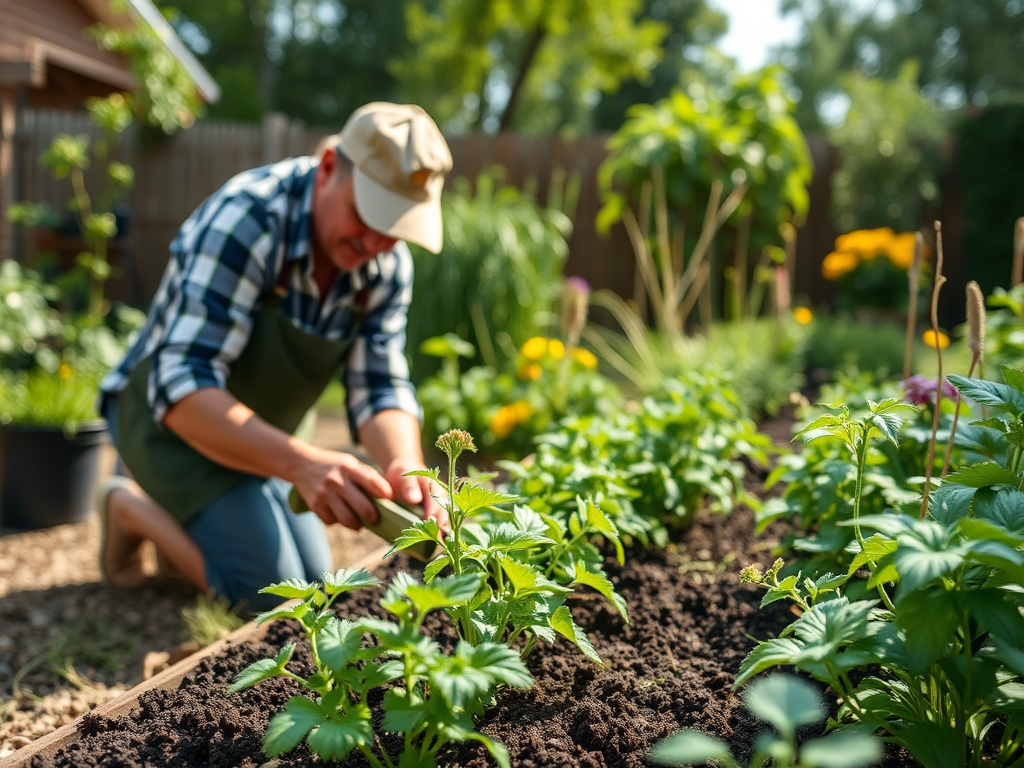
Beginners in backyard gardening often make critical mistakes that hinder plant growth, such as neglecting soil quality, overwatering, and improper plant spacing. A common error is failing to test soil health, which can lead to nutrient deficiencies. Additionally, overwatering can suffocate roots, while overcrowding plants can result in competition for nutrients. To avoid these pitfalls, conduct a soil test before planting and ensure proper spacing to promote healthy growth. Understanding the specific needs of your plants will help create a thriving garden.
Understanding Soil Quality
Soil quality is foundational to successful backyard gardening, yet many beginners overlook its significance. Healthy soil supports strong root systems and provides essential nutrients for plant growth. One common mistake is using poor-quality soil or not testing the soil before planting. Beginners should conduct a soil test to determine pH levels and nutrient content, which guides amendments needed for optimal growth.
For instance, if the soil is too acidic, adding lime can help raise the pH, while sulfur can be used to lower it if too alkaline. Additionally, incorporating organic matter, such as compost, enhances soil structure, improves drainage, and boosts microbial activity, all of which are vital for healthy plants. Ignoring soil quality can lead to a host of problems, including poor plant health and low yields.
Watering Techniques for Beginners
Watering is another critical aspect where beginners often falter. A frequent mistake is either overwatering or underwatering plants. Overwatering can suffocate roots and promote fungal diseases, while underwatering leads to drought stress and wilting. To avoid these pitfalls, beginners should learn to gauge soil moisture before watering.
Using a moisture meter can provide a clear indication of when to water, or a simple finger test—sticking a finger into the soil up to the second knuckle—can help assess moisture levels. It’s generally best to water deeply and less frequently, encouraging deeper root growth. Understanding the specific water needs of different plants also helps prevent common mistakes in backyard gardening.
Importance of Plant Spacing
Plant spacing is often underestimated by beginners, resulting in overcrowded gardens. When plants are too close together, they compete for sunlight, water, and nutrients, leading to stunted growth and increased susceptibility to diseases. Each plant has specific spacing requirements based on its mature size, and adhering to these guidelines is crucial for overall garden health.
For example, tomato plants generally require about 18-24 inches of space between them, while leafy greens can be planted closer together. Beginners should refer to seed packets or gardening guides to determine the appropriate spacing for each plant type. Proper spacing not only promotes healthy growth but also improves air circulation, reducing the risk of fungal infections and pests.
Choosing the Right Plants
Selecting the right plants for your garden is essential for success, yet many beginners make the mistake of choosing plants based solely on appearance or popularity without considering their growing conditions. Factors such as climate, soil type, and sunlight exposure should influence plant selection.
For instance, if a beginner lives in an area with limited sunlight, choosing shade-tolerant plants like ferns or hostas would be wise. Additionally, understanding the growing season is important; some plants thrive in cool weather, while others need warmth. Beginners should research plant requirements and consider local climate conditions before making their selections to avoid common mistakes in backyard gardening.
For those looking to deepen their understanding of backyard gardening and avoid common mistakes, resources from local agricultural extensions or gardening clubs can provide valuable insights. Books like “The Garden Primer” by Barbara Damrosch or “Square Foot Gardening” by Mel Bartholomew can also serve as excellent references.

Frequently Asked Questions
What is the most common mistake in backyard gardening?
One of the most common mistakes is poor soil preparation, which can lead to inadequate nutrient availability and poor plant health.
How often should I water my garden?
Watering frequency depends on the plant type and weather conditions, but generally, it's better to water deeply once or twice a week rather than daily.
Why is plant spacing important?
Proper plant spacing is crucial to prevent overcrowding, ensuring each plant has adequate access to sunlight, water, and nutrients.
What plants are best for beginners?
Some of the best plants for beginners include tomatoes, radishes, and lettuce, as they are relatively easy to grow and have forgiving growing conditions.
How can I improve my soil quality?
You can improve soil quality by adding organic matter such as compost, testing for pH, and making necessary amendments based on the results.
Conclusion
Ultimately, avoiding common mistakes in backyard gardening for beginners involves understanding soil quality, mastering watering techniques, ensuring proper plant spacing, and selecting the right plants. By focusing on these key areas, new gardeners can create a thriving garden that not only provides beauty but also yields healthy produce. Taking the time to learn and apply these principles will lead to a more successful and enjoyable gardening experience.