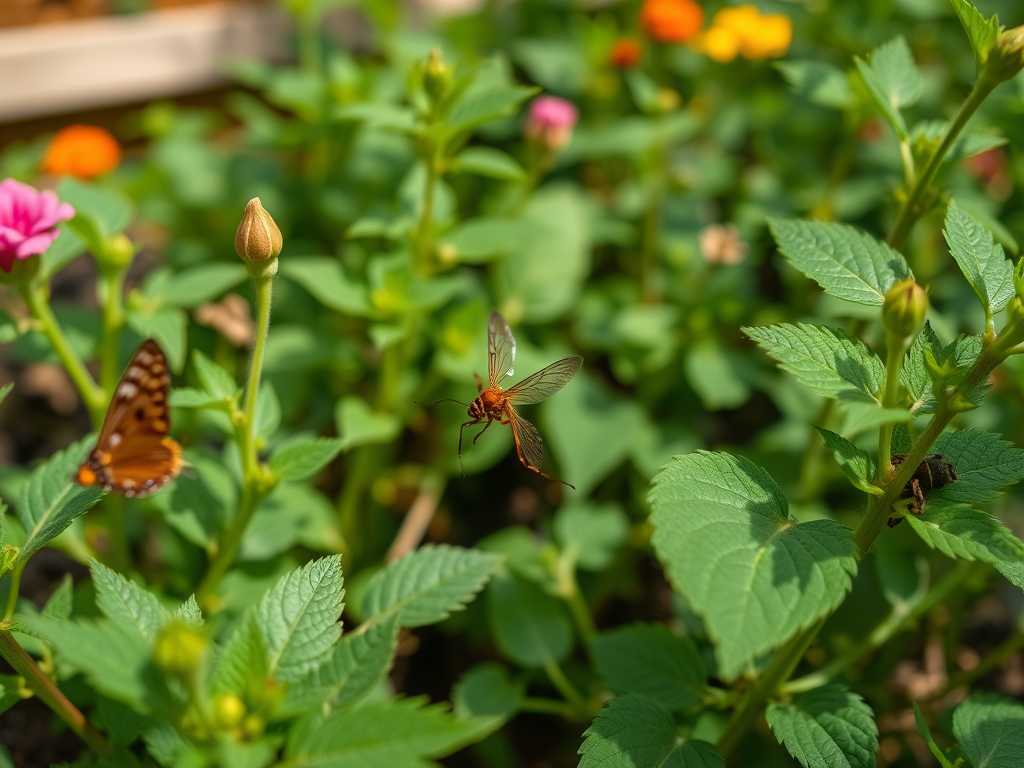
To avoid pest infestations in home gardens, it's essential to combine natural deterrents with proactive monitoring. Regularly inspect your plants for early signs of pests, such as discolored leaves or webbing, to catch problems before they escalate. Implementing companion planting—like using marigolds to repel nematodes and herbs to deter aphids—can create a more resilient garden ecosystem. Additionally, creating physical barriers, such as row covers, can effectively limit pest access.
Understanding Common Garden Pests
Identifying the most prevalent pests in home gardens is the first step in preventing infestations. Common pests include aphids, spider mites, and caterpillars, each of which can cause significant damage if left unchecked. Understanding their life cycles and feeding habits helps gardeners anticipate issues before they escalate. For instance, aphids reproduce quickly and can cover plants in a short time, leading to stunted growth and disease spread. Recognizing these patterns allows for timely intervention.
One common mistake is underestimating the impact of a few pests. Even a small number of pests can lead to larger infestations if not addressed early. Regularly inspecting plants for signs of damage or pest activity is vital. Look for discolored leaves, webbing, or the presence of insects themselves, as these indicators signal that action is needed.
Natural Deterrents and Companion Planting
Utilizing natural deterrents can significantly reduce pest populations without harming beneficial insects or the environment. For example, planting marigolds around vegetable gardens can deter nematodes and other pests due to their strong scent. Similarly, herbs like basil and mint can repel aphids and whiteflies, making them excellent companions for vegetables.
Another effective strategy involves planting flowers that attract beneficial insects, such as ladybugs and lacewings, which prey on damaging pests. This approach not only helps control pest populations but also promotes biodiversity in the garden ecosystem. However, it’s important to research which plants work best together, as some combinations can be counterproductive.
Regular Monitoring and Maintenance
Consistent monitoring of garden plants is essential for early detection of pest problems. Gardeners should establish a routine to inspect their plants at least once a week, focusing on the undersides of leaves where pests often hide. Keeping detailed records of pest sightings and treatments can help identify patterns and improve future management strategies.
In addition to monitoring, maintaining healthy soil is crucial for plant resilience. Healthy plants are better equipped to withstand pest pressures. Regularly adding organic matter, such as compost, improves soil structure and nutrient availability, promoting stronger plant growth. A common misconception is that organic gardening means sacrificing yields; however, with proper practices, gardeners can achieve both health and productivity.
Creating Barriers and Traps
Physical barriers are an effective way to prevent pests from accessing plants. Row covers, for example, can shield young plants from insects while allowing sunlight and moisture to penetrate. Additionally, using sticky traps can help monitor pest populations and catch flying insects like whiteflies and aphids before they can reproduce.
It’s important to position traps and barriers strategically. For instance, placing traps near the most vulnerable plants can help catch pests before they spread. However, relying solely on barriers may not be sufficient; they should be part of a holistic pest management strategy that includes observation and natural deterrents.
Frequently Asked Questions
What are the most common pests in home gardens?
Common pests include aphids, spider mites, caterpillars, and whiteflies, all of which can cause damage to plants if not managed promptly.
How can I naturally deter pests in my garden?
Planting companion plants like marigolds and herbs can naturally repel pests, while introducing beneficial insects can help control pest populations.
What should I do if I find pests on my plants?
Inspect the plants closely, remove affected leaves, and consider using natural deterrents or barriers to manage the pest population effectively.
How often should I monitor my garden for pests?
Inspect your garden at least once a week to catch any pest issues early and take appropriate action before they escalate.
Can healthy soil help prevent pest infestations?
Yes, healthy soil supports strong plants that are more resistant to pests and diseases, making regular soil maintenance crucial for pest management.
Conclusion
Effective pest management in home gardens requires a proactive approach that combines natural deterrents, regular monitoring, and strategic interventions. By understanding the common pests that threaten your garden and implementing practical solutions such as companion planting and physical barriers, you can create a thriving garden environment. Prioritize maintaining healthy soil and nurturing beneficial insects to further enhance your garden’s resilience against pests. With consistent effort and observation, you can enjoy a bountiful harvest while minimizing pest problems.