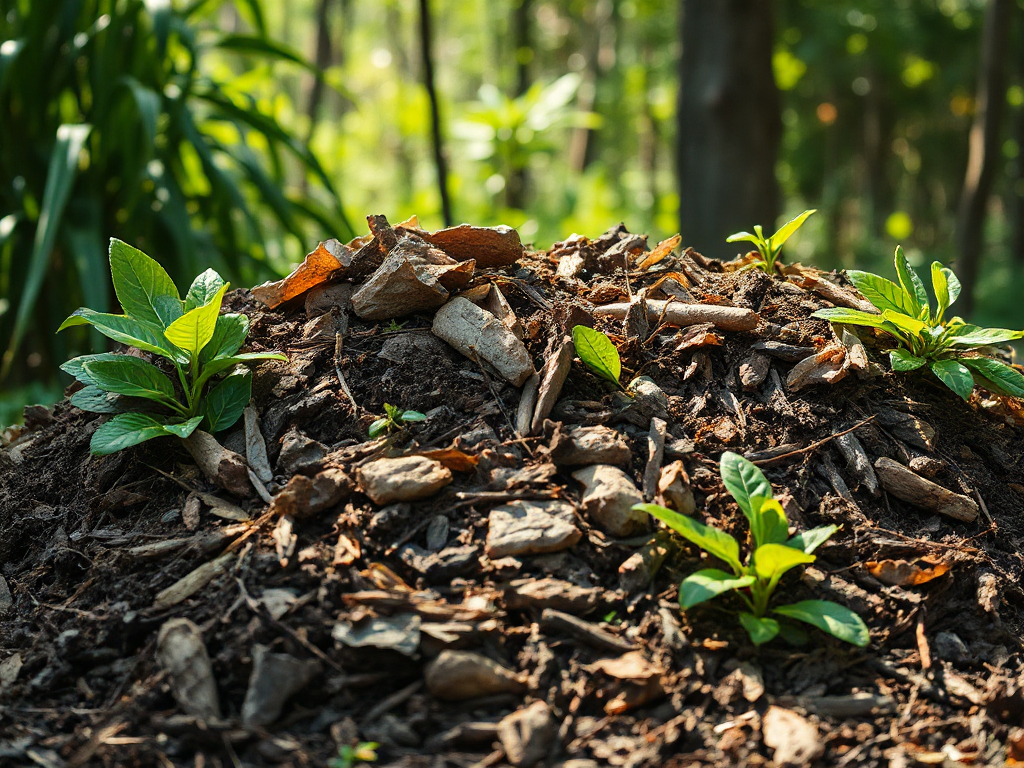
To maintain a healthy compost pile, balance green materials like kitchen scraps with brown materials such as dried leaves, monitor moisture levels, and turn the pile regularly. This balance ensures proper microbial activity, which is crucial for decomposition. Avoid overloading the pile with one type of material, as this can lead to odor issues and slow down the composting process. Regular aeration and moisture checks will help achieve optimal composting conditions.
Understanding Composting Basics
Composting is a natural process that transforms organic waste into nutrient-rich soil amendments. Understanding the fundamentals of composting is crucial for maintaining a healthy compost pile. The process involves the decomposition of organic materials by microorganisms, which thrive in a balanced environment. Key factors influencing this process include temperature, moisture, aeration, and the types of materials used.

Microorganisms, such as bacteria and fungi, break down organic matter, releasing essential nutrients back into the soil. A well-maintained compost pile can significantly enhance soil health, improve plant growth, and reduce waste sent to landfills. Recognizing the importance of each component in the composting process will help you create a thriving compost pile.
Balancing Green and Brown Materials
Achieving the right balance of green and brown materials is essential for effective composting. Green materials are high in nitrogen and include kitchen scraps, grass clippings, and fresh plant trimmings. Brown materials, on the other hand, are rich in carbon and consist of dried leaves, straw, and cardboard. A proper ratio of approximately 3:1 (brown to green) ensures optimal microbial activity and efficient decomposition.
When the balance is off, composting can become problematic. Too many greens can lead to a smelly, anaerobic pile, while excessive browns can slow down the decomposition process. To maintain a healthy compost pile, alternate layers of green and brown materials, and chop larger pieces into smaller fragments to increase surface area, promoting faster breakdown.
Monitoring Moisture Levels
Moisture levels play a critical role in the composting process. A compost pile should feel like a damp sponge—not too wet or too dry. Insufficient moisture can hinder microbial activity, slowing down decomposition. Conversely, a pile that is too wet can create anaerobic conditions, leading to foul odors.
Regularly check the moisture content by squeezing a handful of compost. If water drips out, it’s too wet; if it crumbles, it needs more moisture. To maintain ideal moisture levels, you can add water during dry spells or cover the pile during heavy rains. Additionally, using a tarp can help regulate moisture and temperature, further enhancing the composting process.
Turning and Aerating the Pile
Aeration is vital for maintaining a healthy compost pile as it ensures that oxygen reaches the microorganisms breaking down the organic matter. Turning the pile regularly—every few weeks—encourages airflow and helps to distribute moisture and heat evenly. This process speeds up decomposition and prevents the pile from becoming compacted.
When turning the pile, use a pitchfork or compost aerator to mix the materials thoroughly. This not only aerates the pile but also helps to break down larger clumps, promoting faster decomposition. Additionally, observing temperature changes can guide you on when to turn the pile; a hot center indicates active microbial activity, while a cooler pile may need more aeration.
Common Mistakes to Avoid
Even seasoned composters can make mistakes that hinder the composting process. One common error is adding non-compostable materials, such as meat, dairy, and oils, which can attract pests and create unpleasant odors. Another mistake is neglecting to maintain the proper balance of green and brown materials, leading to an inefficient composting environment.
Additionally, many people fail to turn their compost pile regularly, which can result in a compacted, smelly mess. To avoid these pitfalls, familiarize yourself with what can and cannot be composted, monitor your pile’s balance and moisture levels, and commit to turning it consistently. By doing so, you’ll create a thriving compost pile that produces rich, fertile soil for your garden.

Frequently Asked Questions
What materials should I avoid putting in my compost pile?
Avoid adding meat, dairy, oils, and any non-biodegradable materials as they can attract pests and create odors.
How often should I turn my compost pile?
It’s recommended to turn your compost pile every 2 to 4 weeks to promote aeration and speed up decomposition.
Can I compost weeds?
Yes, you can compost weeds, but ensure they are not flowering or seeding as this can lead to regrowth in your compost.
How long does it take for compost to be ready?
Composting can take anywhere from 3 months to 2 years, depending on the materials used and how well the pile is maintained.
What is the ideal temperature for composting?
The ideal temperature for composting is between 130°F to 160°F, which promotes effective microbial activity.
Conclusion
Maintaining a healthy compost pile requires careful attention to the balance of materials, moisture levels, and regular aeration. By avoiding common mistakes and implementing essential practices, you can create nutrient-rich compost that benefits your garden. Start by understanding the key components of composting, adjust your methods as needed, and enjoy the rewards of rich, fertile soil.
Further Reading
Authoritative Sources
- EPA Safe Pest Control
epa.govOfficial information for safer pest-management decisions.
- USDA National Agricultural Library
nal.usda.govAgricultural and plant-science research resources.
- USDA NRCS Soil Resources
nrcs.usda.govOfficial soil health, conservation, and water-management information.
- Cooperative Extension Gardening Resources
extension.orgResearch-based gardening, soil, plant-care, and home-growing education.