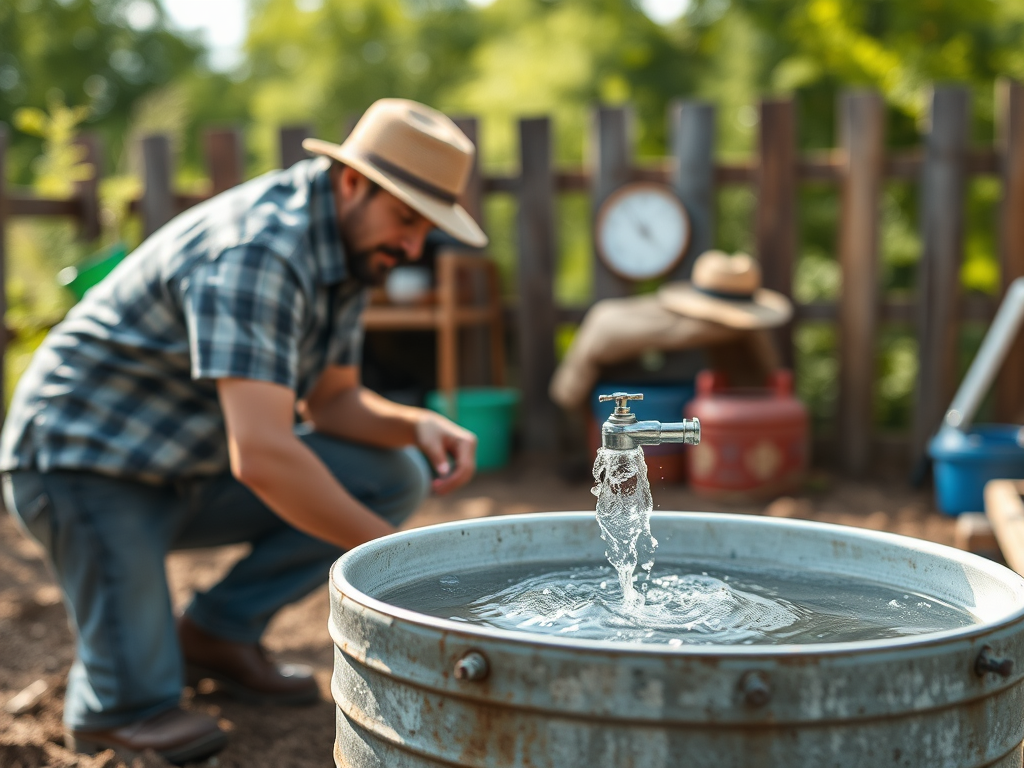
When your homestead runs out of water, immediate actions include conserving existing supplies, locating alternative water sources, and implementing emergency storage solutions. Prioritize assessing your water system, checking for leaks, and utilizing rainwater collection or nearby water bodies. Long-term, consider investing in sustainable water systems, such as drilling a well or installing a rainwater harvesting system, to ensure reliable access in the future.
Understanding the Importance of Water on a Homestead
Water is essential for any homestead, serving multiple roles from irrigation to livestock hydration and household usage. Understanding its importance is critical for effective management and sustainability. Water scarcity can disrupt daily operations, damage crops, and threaten animal welfare. Therefore, having a reliable water system is not just a convenience; it is a necessity for survival and productivity.

Each homestead’s water needs vary based on size, climate, and agricultural practices. Homesteaders should assess their water requirements regularly and be proactive about conservation and management strategies. Failing to do so can lead to dire situations, particularly during droughts or unexpected supply disruptions.
Immediate Actions to Take When Water Runs Out
When your homestead runs out of water, the first step is to assess the situation. Check your plumbing and water sources for leaks or disruptions. Often, the issue may stem from a malfunctioning pump or a broken pipe. Address these issues immediately to restore access.
If the water supply is indeed depleted, conservatively use any remaining water for critical needs such as drinking, cooking, and sanitation. Rationing water can prolong your supply until you find a sustainable solution. Avoid using water for non-essential tasks like washing clothes or watering plants until you have resolved the immediate crisis.
Alternative Water Sources for Emergency Situations
In an emergency, it’s vital to locate alternative water sources. Rainwater collection systems can be a lifesaver if you have the infrastructure in place. Setting up barrels or cisterns can help capture precipitation, providing a backup supply. Additionally, nearby natural sources, such as streams or ponds, can be tapped for water, but always ensure the water is safe for consumption.
Consider temporary solutions like purchasing bottled water or utilizing community resources such as local wells or municipal supplies. It’s crucial to have a plan for accessing these resources quickly, especially in a crisis.
Long-Term Solutions for Sustainable Water Access
To prevent future water shortages, invest in long-term solutions. Drilling a well can provide a reliable water source, but it’s essential to research local regulations and water table levels before proceeding. Another option is to install a rainwater harvesting system, which captures and stores rainwater for later use.
Additionally, consider xeriscaping your landscape to reduce water use or implementing drip irrigation systems to maximize efficiency in your garden. These strategies not only conserve water but also promote sustainability.
Frequently Asked Questions
What are the first steps to take when my water supply runs out?
Immediately check for leaks in your plumbing and assess the situation to identify any malfunctions. Ration any remaining water for essential needs.
How can I find alternative water sources quickly?
Look for nearby streams, ponds, or community wells. Setting up rainwater collection systems in advance can help capture precipitation when needed.
What are effective long-term solutions for water sustainability?
Consider drilling a well, installing a rainwater harvesting system, or implementing efficient irrigation methods to ensure a reliable water supply.
How can I conserve water during a shortage?
Limit water use to essential activities such as drinking and cooking, and avoid non-essential tasks like washing clothes until the situation improves.
What are the risks of using untreated water from natural sources?
Untreated water may contain harmful bacteria or pollutants. Always purify water from natural sources before consumption.
Conclusion
Addressing a water shortage on your homestead requires immediate action and strategic planning. Start by assessing your current situation and conserving what little water remains. Explore alternative sources while working on long-term solutions like drilling a well or harvesting rainwater. By being proactive about your water management, you can ensure that your homestead remains sustainable and resilient in the face of future challenges.
Further Reading
Authoritative Sources
- Ready.gov Preparedness Guidance
ready.govFederal preparedness guidance for household planning, alerts, supplies, and emergencies.
- American Red Cross Emergency Preparedness
redcross.orgEmergency preparedness resources for families, disasters, and practical safety planning.
- FEMA Preparedness Resources
fema.govNational preparedness resources for planning, mitigation, and response readiness.