
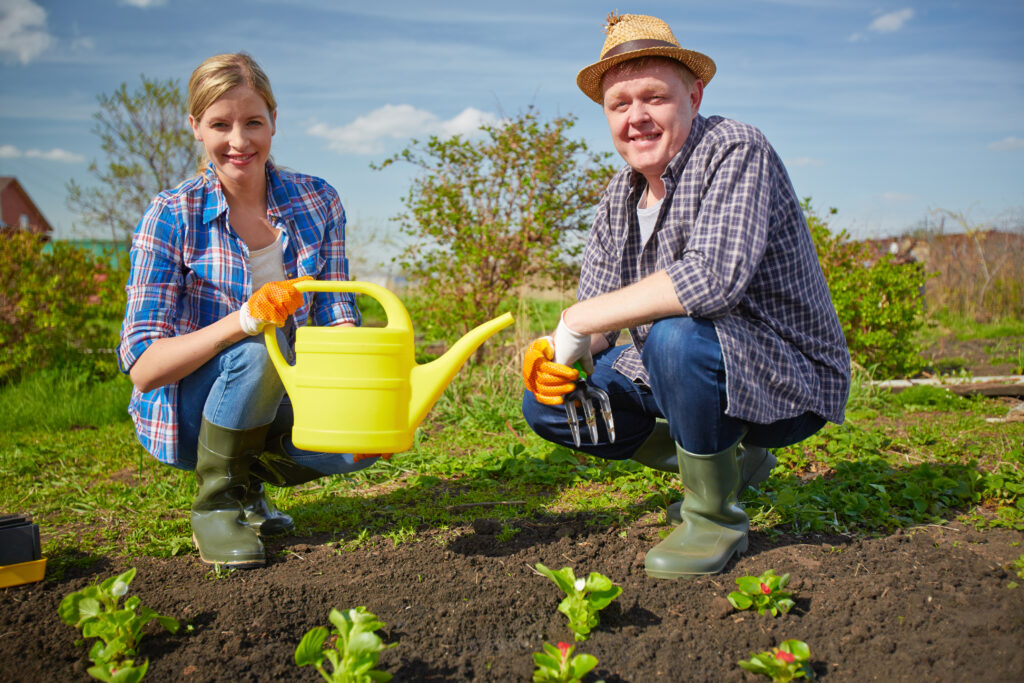
Understanding how to cultivate and use these herbs is crucial for maximizing their benefits. Beginners should focus on plants that are not only easy to grow but also versatile in their applications. Common mistakes include overwatering and neglecting to research the specific growing conditions each herb requires. Prioritizing proper care techniques will yield healthier plants and better medicinal properties.
Moreover, selecting the right herbs for your climate is essential. For instance, while chamomile thrives in cooler temperatures, peppermint prefers warmer conditions. Knowing these details can prevent disappointment and ensure a successful gardening experience. Additionally, beginners should consider starting with a small selection of herbs to avoid feeling overwhelmed.
Top Medical Herbs for Home Gardens
When starting your journey with homestead medical herbs, focusing on a few key plants can lead to greater success. Chamomile is an excellent choice for its calming effects, while peppermint can be used for digestive issues and headaches. Lavender not only offers a delightful fragrance but can also promote relaxation and improve sleep quality. Other notable mentions include rosemary, which has anti-inflammatory properties, and echinacea, known for its immune-boosting benefits.

These herbs are not only valuable for their medicinal properties but also for their culinary uses. For example, chamomile can be brewed into a calming tea, while peppermint can enhance various dishes and beverages. Understanding the dual purpose of these herbs can maximize their utility in your homestead.
Many beginners overlook the importance of biodiversity in their gardens. Planting a variety of herbs can attract beneficial insects and improve overall garden health. Additionally, certain herbs can enhance each other’s growth—a concept known as companion planting. For instance, growing basil near chamomile can improve its flavor and health.
Growing Conditions and Care
Each herb has specific growing conditions that must be met to thrive. Chamomile prefers well-drained soil and full sun, while peppermint grows best in partial shade and moist soil. It’s important to research each herb’s requirements before planting to avoid common pitfalls such as poor growth or disease.
Watering is another critical aspect of herb care. Overwatering can lead to root rot, while underwatering can stunt growth. A general rule of thumb is to check the top inch of soil; if it feels dry, it’s time to water. Additionally, using organic fertilizers can enrich the soil and promote healthy plant development.
Common mistakes include overcrowding plants, which can lead to competition for nutrients and light. Beginners should space their herbs adequately to ensure each plant has room to grow. Furthermore, keeping an eye out for pests and diseases can save time and resources in the long run. Regular inspections and prompt action can prevent minor issues from becoming major problems.
Harvesting and Using Medical Herbs
Harvesting herbs at the right time is crucial for maximizing their medicinal properties. Generally, the best time to harvest is just before the plant flowers, as this is when the concentration of essential oils is highest. For herbs like chamomile, harvesting early in the morning after the dew has dried can enhance the flavor and potency.
Once harvested, herbs can be used fresh, dried, or made into tinctures and oils. Drying herbs should be done in a cool, dark place to retain their properties. Additionally, understanding the proper methods for preparing herbal remedies is vital. For example, making a tea requires steeping the herbs in hot water, while tinctures involve soaking them in alcohol to extract their beneficial compounds.
Beginners often underestimate the importance of record-keeping in their herbal practices. Keeping track of what works and what doesn’t can lead to better results in future seasons. Consider maintaining a gardening journal to document growth patterns, care techniques, and personal observations on the effectiveness of each herb.
Further Reading
Authoritative Sources
- Herbal Medicine: A Practical Guide
example.comThis resource offers a comprehensive overview of herbal medicine, including cultivation and usage tips for beginners
Frequently Asked Questions
What are the best medical herbs for beginners?
Some of the best medical herbs for beginners include chamomile, peppermint, lavender, and rosemary, as they are easy to grow and have various health benefits.
How do I care for my medical herbs?
Care involves providing appropriate sunlight, watering adequately (not too much or too little), and ensuring proper soil conditions for each type of herb.
When is the best time to harvest herbs?
The best time to harvest herbs is just before they flower, typically in the morning after the dew has dried, to maximize essential oil concentration.
Can I use fresh herbs in cooking?
Yes, fresh herbs can enhance the flavor of dishes and can be used in teas, salads, and various recipes.
What mistakes should beginners avoid when growing herbs?
Common mistakes include overwatering, overcrowding plants, and not researching each herb’s specific growing needs, which can lead to poor growth.
Conclusion
Starting with homestead medical herbs can be a rewarding venture for beginners. By focusing on a few key plants and learning their individual needs, you can cultivate a thriving garden that offers both culinary and medicinal benefits. Remember to prioritize proper care, timely harvesting, and record-keeping to enhance your herbal practices. As you gain experience, you can expand your herb collection and deepen your understanding of their uses, ultimately creating a sustainable resource for your homestead.