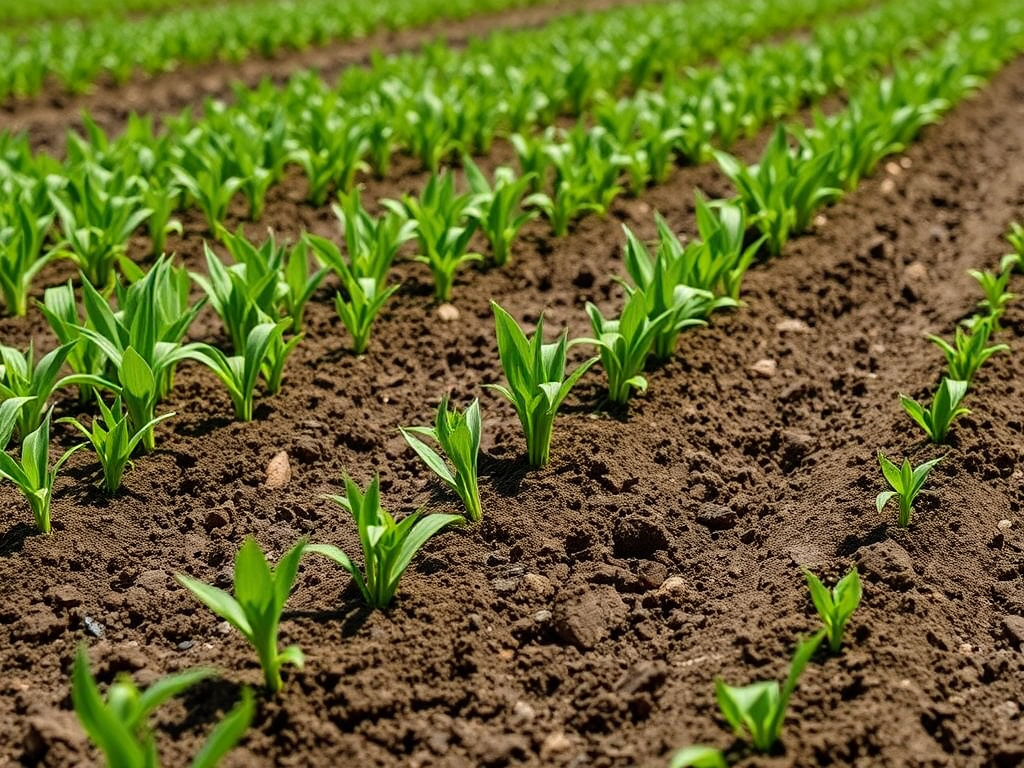
To effectively use cover crops, select appropriate species that enhance soil health, prevent erosion, and manage pests. Incorporate legumes like clover to fix nitrogen and grasses like rye to improve soil structure. Plant cover crops during off-seasons to protect bare soil, and terminate them at the right time to maximize benefits for your main crops. Monitoring growth and adjusting based on your specific soil needs is crucial for optimal results.
Understanding Cover Crops and Their Benefits
Cover crops are plants grown primarily to improve soil health, prevent erosion, and manage weeds and pests. They play a vital role in sustainable agriculture by enhancing soil structure, increasing organic matter, and promoting beneficial microbial activity. By planting cover crops during the off-season, farmers can protect bare soil, reducing the risk of erosion and nutrient loss.
One of the significant benefits of cover crops is their ability to fix nitrogen in the soil, particularly when using legumes like clover or vetch. This natural process reduces the need for synthetic fertilizers, leading to cost savings and reduced environmental impact. Additionally, cover crops can help suppress weeds, making it easier to manage main crops without relying heavily on herbicides.
Choosing the Right Cover Crops
Selecting the right cover crops is crucial for maximizing their benefits. Factors to consider include your specific soil type, climate conditions, and the main crops you plan to grow. For instance, if you are looking to improve nitrogen levels, legumes such as crimson clover or hairy vetch are excellent choices. On the other hand, if your goal is to enhance soil structure and prevent erosion, grasses like rye or oats can be beneficial.
It’s important to mix different species to take advantage of their unique benefits. A diverse cover crop mix can improve soil health more effectively than a single species by providing various root structures and nutrient profiles. Additionally, consider the growth habit of your cover crops; for example, deep-rooted species can help break up compacted soil layers, while shallow-rooted varieties can contribute organic matter closer to the surface.
Best Practices for Planting and Termination
Timing is essential planting cover crops. Ideally, they should be sown after the harvest of main crops and before the onset of winter. This allows them to establish a robust root system before colder temperatures set in. Aim for a planting window where there’s enough moisture for germination but not too late in the season to hinder growth.
Termination of cover crops is equally important. It should be done at the right growth stage to maximize benefits for your main crops. For instance, terminating legumes just before flowering can ensure maximum nitrogen fixation. You can terminate cover crops using methods such as mowing, rolling, or herbicide application, depending on your management style and the specific crops involved.
Common Mistakes to Avoid
One common mistake in using cover crops is neglecting the specific needs of your soil and crops when selecting species. Always conduct a soil test to understand nutrient levels and pH, which will inform your choices. Another mistake is improper termination timing, which can lead to poor growth of main crops due to competition for nutrients and moisture.
Failing to manage cover crops properly can also lead to issues. For instance, planting too late can result in insufficient growth, while terminating too early can prevent the full benefits of the cover crop from being realized. Always monitor the growth and health of your cover crops to ensure they are fulfilling their intended purpose.

Frequently Asked Questions
What are cover crops?
Cover crops are plants grown primarily to improve soil health, prevent erosion, and manage pests and weeds during the off-season.
How do cover crops improve soil health?
Cover crops enhance soil health by increasing organic matter, improving soil structure, and promoting beneficial microbial activity.
When should I plant cover crops?
Cover crops should be planted after the harvest of main crops and before winter to establish a robust root system.
How do I terminate cover crops?
Termination can be achieved through methods such as mowing, rolling, or applying herbicides, depending on your management style.
What are common mistakes when using cover crops?
Common mistakes include selecting inappropriate species, improper termination timing, and not monitoring crop health effectively.
Conclusion
Utilizing cover crops effectively involves selecting the right species, understanding their benefits, and managing them properly throughout the growing season. By incorporating cover crops into your farming practices, you can enhance soil health, reduce erosion, and improve your overall crop yields. Prioritize careful selection and management to maximize the benefits of cover crops for sustainable agriculture.