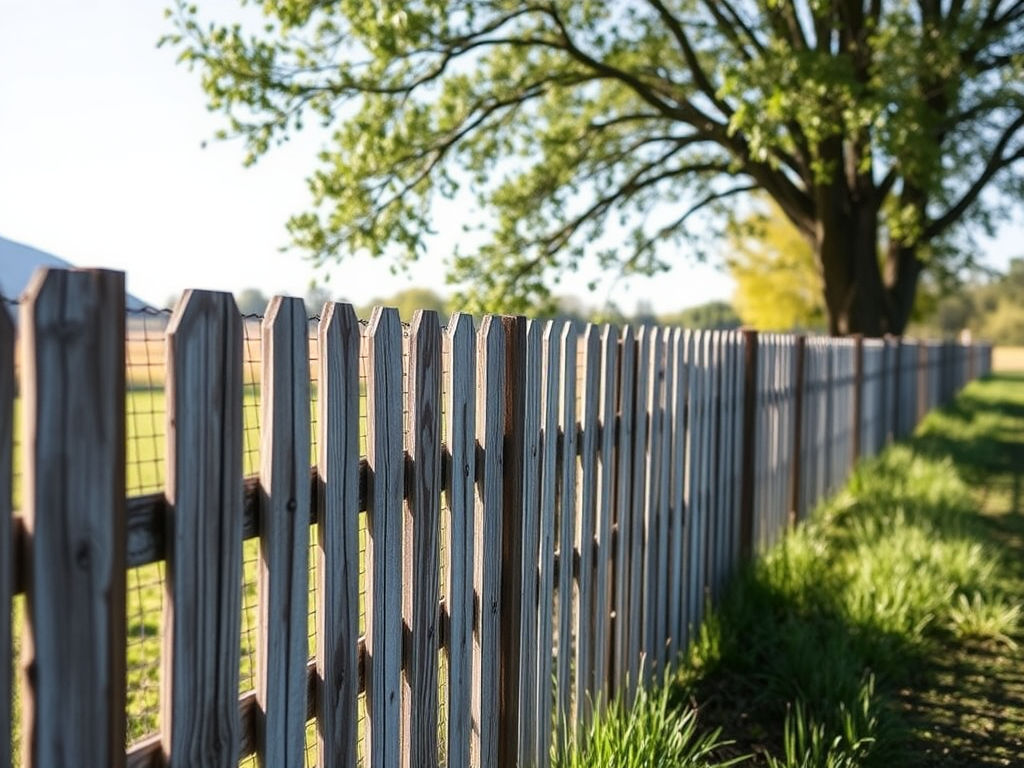
Choosing the right fencing for your property involves assessing your needs, evaluating different materials, and understanding local regulations. Start by determining the primary purpose of the fence, such as security, privacy, or aesthetics. Then, explore options like wood, vinyl, metal, and chain-link, each offering distinct benefits and drawbacks. All in all, consider your budget, maintenance requirements, and any homeowner association guidelines to ensure your fencing choice aligns with your goals.
Purpose of the Fence
Identifying the primary purpose of your fence is crucial in determining what type of fencing to choose. Fences can serve multiple functions, including security, privacy, containment, or decorative purposes. For example, if your main goal is to keep pets or livestock contained, a sturdy and tall option like a stock fence may be ideal. On the other hand, if you’re aiming for privacy in your backyard, a solid wood or vinyl fence would be more suitable.
It’s also important to consider the aesthetics of your property. A fence should complement the existing landscape and architecture. For instance, a wrought iron fence can enhance the elegance of a historic home, while a rustic wooden fence may suit a farmhouse style. Understanding the main purpose helps narrow down options and ensures that the fence you choose meets your specific needs.
Material Options
Once you have defined the purpose of your fence, the next step is to evaluate the various materials available. Common fencing materials include wood, vinyl, metal, and chain-link, each with its own pros and cons.
Wood: Wood fences are popular for their natural appearance and versatility. They can be customized with different stains and styles, from picket to privacy. However, wood requires regular maintenance, such as staining and sealing, to prevent rot and weather damage.
Vinyl: Vinyl fencing is a low-maintenance option that resists fading, cracking, and pests. It comes in various styles and colors and can mimic the look of wood without the upkeep. However, it can be more expensive upfront compared to wood.
Metal: Metal options, such as aluminum and wrought iron, provide durability and security. They are ideal for decorative purposes and can withstand harsh weather conditions. However, they may not offer as much privacy as wood or vinyl.
Chain-Link: Chain-link fencing is a cost-effective choice that provides security without obstructing views. It’s often used for commercial properties or to enclose yards. However, it may not be the most aesthetically pleasing option for residential areas.
Weighing the pros and cons of each material helps you make an informed decision based on your priorities, whether they be durability, maintenance, or appearance.
Style Considerations
The style of your fence should align with both your personal taste and the overall design of your property. There are several styles to choose from, including traditional picket fences, solid privacy fences, and decorative wrought iron fences.
Traditional Picket Fences: These fences are often associated with suburban homes and can create a welcoming appearance. They are usually made of wood and can be painted or stained to match your home.
Privacy Fences: These fences are designed to block the view from outside, providing a secluded area. They can be made of wood, vinyl, or composite materials and are ideal for backyards or pools.
Wrought Iron or Aluminum Fences: These fences offer a more sophisticated look and are often used in front yards or around gardens. They do not provide privacy but enhance the aesthetic appeal of your property.
Consider how the style of the fence will look in conjunction with your house and landscape. A well-chosen style can increase your property’s curb appeal and value.

Local Regulations and Guidelines
Before making a final decision on your fencing project, it’s essential to check local regulations and guidelines. Many municipalities have specific codes regarding fence height, materials, and placement. For instance, some areas may require permits for certain types of fences or have restrictions on the height of front yard fences.
Additionally, if you live in a neighborhood governed by a homeowners association (HOA), be sure to review their rules as well. HOAs often have strict guidelines regarding the appearance and types of fences allowed. Failure to comply with these regulations can result in fines or the requirement to remove the fence.
Taking the time to research and comply with local regulations ensures that your fencing project goes smoothly and avoids potential legal issues.
Frequently Asked Questions
What is the best material for a privacy fence?
Wood and vinyl are popular choices for privacy fences due to their height and solid structure, effectively blocking views.
How tall can my fence be?
Height regulations vary by location, but residential fences typically range from 4 to 6 feet high. Always check local laws before installation.
Do I need a permit to build a fence?
Permit requirements depend on local regulations. It's advisable to check with your local zoning office before starting any fencing project.
How often should I maintain my fence?
Maintenance frequency depends on the material. Wooden fences may need annual staining, while vinyl typically requires less frequent cleaning.
What are the costs associated with fencing?
Costs vary widely based on materials, size, and labor. On average, expect to pay between to per linear foot depending on the type of fence.
Conclusion
Choosing the right fencing for your property involves careful consideration of purpose, material, style, and local regulations. By clearly defining your needs and understanding the available options, you can select a fence that enhances both functionality and aesthetics. Don’t forget to research local guidelines to ensure your project complies with regulations. With the right approach, your fencing choice can provide long-lasting benefits and add value to your home.