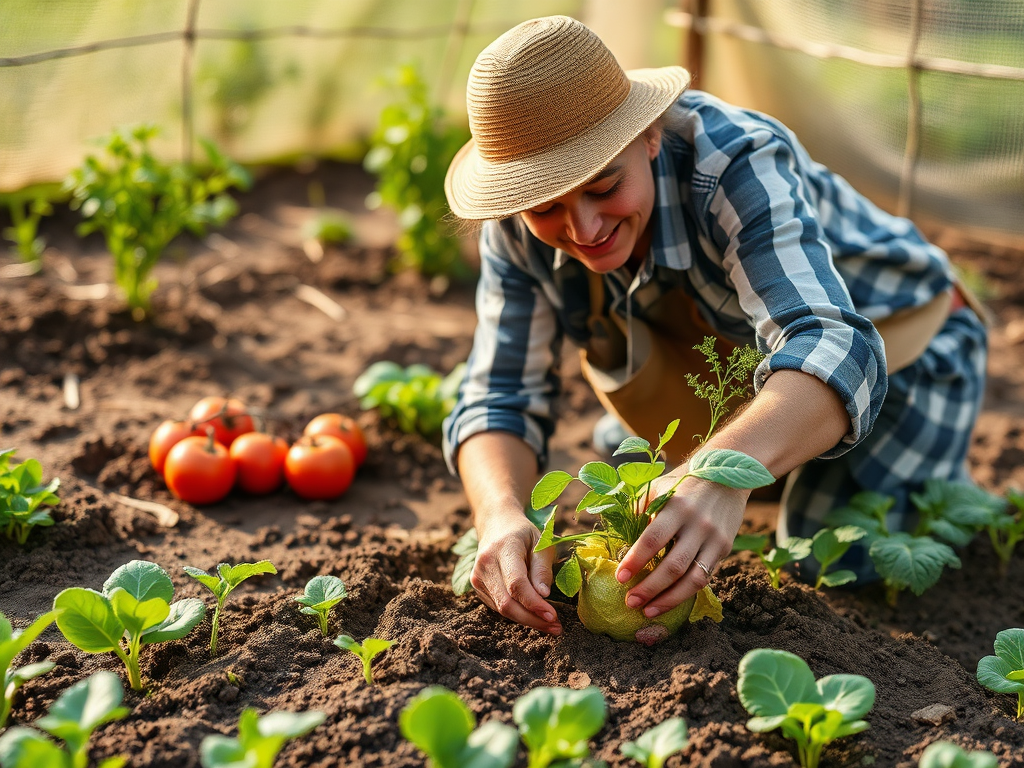
To successfully grow food in poor soil conditions, enhance soil health by incorporating organic matter like compost or well-rotted manure, which improves nutrient availability and soil structure. Additionally, consider using raised beds to provide better drainage and control over soil quality. Selecting resilient crops, such as drought-resistant varieties, can also lead to better yields despite challenging conditions. Regular soil testing will help you identify specific deficiencies and tailor your amendments accordingly, ensuring your plants receive the necessary nutrients for optimal growth.
Understanding Poor Soil Conditions
Poor soil conditions can significantly hinder plant growth, making it crucial to understand the specific factors affecting your soil. Soil may be poor due to low nutrient content, poor drainage, compaction, or high acidity. These conditions can lead to stunted growth, poor yields, and increased susceptibility to pests and diseases. Recognizing the characteristics of your soil allows you to tailor your growing strategy effectively.
One common misconception is that soil quality cannot be improved. In reality, many methods exist to enhance soil fertility and structure. For instance, poor drainage can be remedied by incorporating organic matter, which not only improves soil structure but also increases moisture retention. Understanding your soil’s pH and nutrient levels through testing can guide you in making informed amendments.
Soil Improvement Techniques
Improving poor soil conditions is essential for successful gardening. Start by adding organic matter, such as compost or well-rotted manure, to enrich the soil with nutrients and improve its structure. This process enhances aeration, encourages beneficial microorganisms, and helps retain moisture. Aim to incorporate at least 2-3 inches of organic matter into the top 6-12 inches of soil.
Another effective technique is mulching. Applying organic mulch, like straw or wood chips, helps conserve moisture, suppress weeds, and gradually adds nutrients back into the soil as it decomposes. Additionally, consider cover cropping, which involves planting specific crops to improve soil health during off-seasons. Legumes, for example, can fix nitrogen in the soil, providing a natural fertilizer for subsequent crops.
Common mistakes include over-relying on chemical fertilizers, which can lead to soil degradation over time. Instead, focus on building a healthy ecosystem in your soil. Regular soil testing can help you monitor improvements and adjust your strategies accordingly.
Choosing the Right Crops
Selecting the right crops is vital when dealing with poor soil conditions. Opt for hardy plants that can thrive in less-than-ideal environments. Root vegetables like carrots, beets, and radishes often perform well as they can penetrate compacted soil more easily. Additionally, consider planting nitrogen-fixing crops such as peas and beans, which can improve soil fertility while providing a harvest.
It’s also beneficial to choose native or drought-resistant varieties, as these plants are often better adapted to local soil and climate conditions. For instance, many heirloom varieties have developed resilience over generations, making them suitable for challenging soil. Avoid heavy feeders, such as corn and tomatoes, in the early stages of soil improvement, as they may require more nutrients than your soil can provide.
Many gardeners fail to consider crop rotation, which can help maintain soil health. By alternating crop families each year, you can prevent nutrient depletion and reduce pest populations. Implementing a rotation plan is a practical way to enhance the productivity of poor soils over time.
Using Raised Beds and Containers
Raised beds and containers can be excellent solutions for growing food in poor soil conditions. They allow you to control the soil quality more effectively, as you can fill them with a well-balanced mix of topsoil, compost, and organic matter. This method also improves drainage, which is particularly beneficial in areas with heavy clay or compacted soil.
When constructing raised beds, ensure they are at least 12-18 inches deep to provide enough space for root development. Additionally, using untreated wood or other organic materials can help maintain a healthy growing environment. Containers can also be versatile, allowing for gardening in small spaces or urban areas where soil quality may be compromised.
Common pitfalls include overwatering, which can lead to root rot and other issues in raised beds and containers. Always monitor moisture levels and adjust your watering regimen based on weather conditions. Furthermore, ensure that containers have adequate drainage holes to prevent waterlogging.
For those looking to delve deeper into improving their gardening practices, consider exploring resources from local agricultural extensions or soil health organizations. They often provide valuable insights and research on soil management and crop selection tailored to specific regions.
Frequently Asked Questions
What are the signs of poor soil conditions?
Signs of poor soil conditions include compacted soil, poor drainage, low nutrient content, and stunted plant growth.
How can I test my soil quality?
You can test your soil quality using a soil testing kit, which measures pH levels and nutrient content, or by sending a sample to a local agricultural extension office.
What types of crops grow best in poor soil?
Root vegetables like carrots and radishes, along with legumes such as peas and beans, typically thrive in poor soil conditions.
How often should I amend my soil?
Soil should be amended at least once a year, ideally before planting, to maintain nutrient levels and improve structure.
Can I grow food in containers if I have poor soil?
Yes, using containers allows you to control the soil quality and provide the necessary nutrients for your plants.
Conclusion
Growing food in poor soil conditions is entirely feasible with the right approaches. Prioritizing soil improvement techniques, selecting resilient crops, and utilizing raised beds or containers can significantly enhance your gardening success. Focus on building healthy soil ecosystems and be patient as you implement these strategies. With time and care, you can cultivate a thriving garden even in challenging conditions.