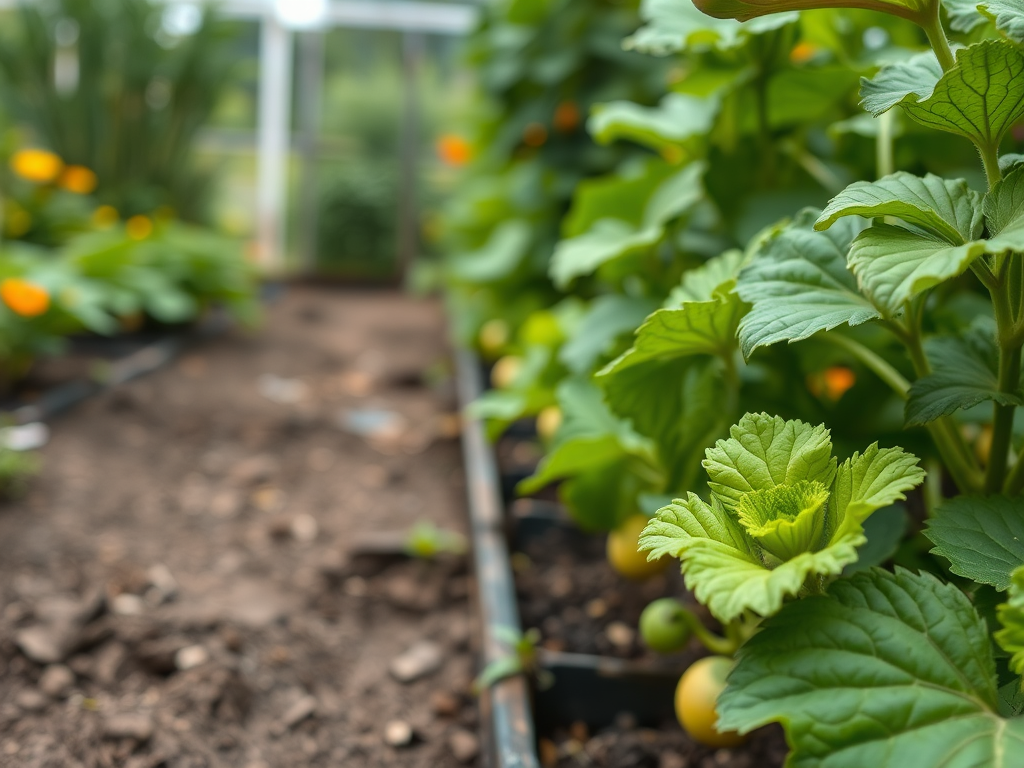
To troubleshoot common vegetable garden problems, begin by closely observing your plants for specific symptoms like wilting, yellowing leaves, or stunted growth. These signs often indicate issues such as improper watering, pest infestations, or nutrient deficiencies. For example, yellowing leaves may suggest a lack of nitrogen, while wilting could mean the plants are either overwatered or underwatered. Regularly checking soil moisture and testing for nutrient levels can help you determine the right interventions. Additionally, inspecting for pests and diseases early can prevent further damage and ensure a healthier garden.
Understanding Common Issues in Vegetable Gardens
Vegetable gardens can face a myriad of problems that hinder plant growth and yield. Understanding these common issues is essential for effective troubleshooting. Common problems often include pest infestations, diseases, improper watering, and nutrient deficiencies. Recognizing these challenges early can save your plants and ensure a productive garden.
Pest infestations, for instance, can lead to significant damage if not addressed promptly. Common pests include aphids, caterpillars, and beetles, each requiring different management strategies. Similarly, plant diseases caused by fungi, bacteria, or viruses can spread rapidly, affecting entire crops. Understanding the signs of these issues is crucial for effective intervention.
Moreover, watering practices can greatly influence plant health. Overwatering can lead to root rot, while underwatering can cause wilting and stress. Nutrient deficiencies might manifest in various ways, such as yellowing leaves or stunted growth, signaling the need for soil amendments.
Identifying Symptoms and Their Causes
Identifying symptoms in your vegetable garden is the first step in troubleshooting common problems. For example, wilting leaves can indicate insufficient water or root damage, while yellowing leaves may suggest a nitrogen deficiency. Understanding these symptoms helps in diagnosing the underlying causes.
Another common symptom is stunted growth, often caused by poor soil quality or inadequate nutrients. Testing the soil can reveal nutrient levels and pH balance, providing insights into what amendments are necessary. Furthermore, signs of pest damage, such as holes in leaves or visible insects, require immediate attention to prevent further damage.
It’s also important to consider environmental factors. Extreme temperatures, either too hot or too cold, can stress plants and lead to various issues. Monitoring weather conditions and adjusting care routines accordingly can mitigate these effects.
Effective Solutions for Common Problems
Once you’ve identified the symptoms and their causes, implementing effective solutions is crucial. For pest infestations, consider natural remedies such as neem oil or insecticidal soap. These treatments can control pests without harming beneficial insects.
For nutrient deficiencies, adding organic matter like compost can enrich the soil. Additionally, specific fertilizers can address particular nutrient shortages, such as nitrogen or potassium. Regular soil testing is advised to tailor your amendments effectively.
Addressing watering issues requires careful observation. Ensure that you water deeply and less frequently to encourage root growth. Using mulch can also help retain soil moisture and regulate temperature, reducing stress on plants.
Preventative Measures to Avoid Future Issues
Preventing problems in your vegetable garden is often easier than troubleshooting them. Implementing best practices can significantly reduce the likelihood of encountering common issues. Start by selecting disease-resistant plant varieties and rotating crops to minimize pest and disease buildup in the soil.
Regularly monitoring your garden for signs of trouble can help catch issues early. Establish a routine for checking soil moisture, inspecting plants for pests, and assessing overall garden health. Additionally, maintaining healthy soil through organic amendments and proper pH levels can create a robust foundation for your plants.

Ultimately, educate yourself on the specific needs of the vegetables you are growing. Different plants have unique requirements for light, water, and nutrients, and understanding these can help prevent many common problems.
Frequently Asked Questions
What are the most common problems in vegetable gardens?
Common problems include pest infestations, diseases, nutrient deficiencies, and improper watering practices.
How can I identify nutrient deficiencies in my plants?
Nutrient deficiencies often manifest as yellowing leaves, stunted growth, or poor fruit development. Soil testing can confirm specific deficiencies.
What should I do if my plants are wilting?
Check the soil moisture level; wilting can indicate either overwatering or underwatering. Adjust your watering schedule accordingly.
How can I prevent pests in my vegetable garden?
Implement preventative measures such as crop rotation, companion planting, and using organic pest control methods like neem oil.
When should I water my vegetable garden?
Water your garden early in the morning or late in the afternoon to minimize evaporation and ensure that plants receive adequate moisture.
Conclusion
Troubleshooting common vegetable garden problems involves careful observation and understanding of symptoms. By identifying issues early, applying effective solutions, and implementing preventative measures, you can maintain a healthy and productive garden. Focus on regular monitoring, proper watering, and enriching your soil to promote robust plant growth. Taking proactive steps will greatly enhance your gardening success.