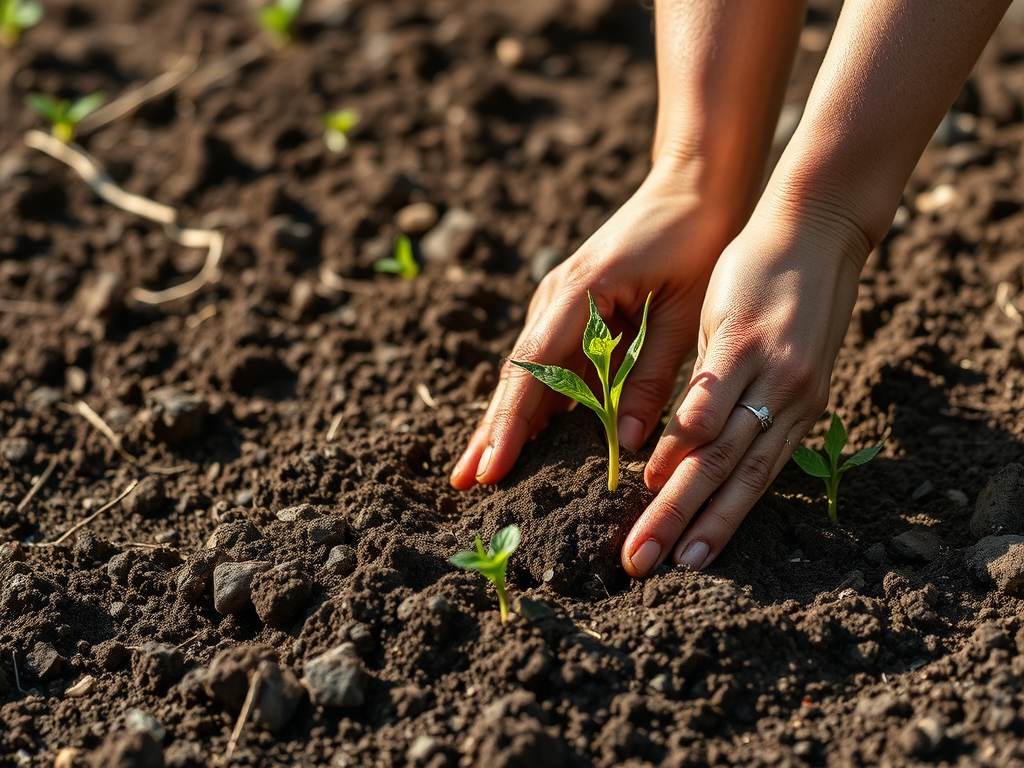
Signs your soil needs immediate improvement include poor drainage, low nutrient levels, and an abundance of weeds. If your plants struggle to grow or show signs of stress, it may be time to assess your soil. Conducting soil tests can reveal pH imbalances and nutrient deficiencies, enabling you to take corrective actions like adding organic matter or adjusting soil structure to enhance plant health.
Understanding Soil Health
Soil health is crucial for successful gardening and farming as it affects plant growth, nutrient availability, and ecosystem stability. Healthy soil is rich in organic matter, balanced in nutrients, and has a structure that allows for proper drainage and aeration. Recognizing the signs that your soil needs immediate improvement is vital for maintaining plant health and ensuring a productive garden or farm.
When soil is in poor condition, it can lead to a host of problems, including stunted plant growth, increased susceptibility to pests and diseases, and reduced crop yields. Understanding the factors that influence soil health can empower you to make informed decisions about remediation and management practices.
Key Signs of Soil Degradation
Identifying signs of soil degradation is the first step toward improvement. Here are several indicators that suggest your soil may need immediate attention:
- Poor Drainage: If water pools on the surface after rainfall, it may indicate compacted soil or poor structure, preventing proper drainage.
- Low Nutrient Levels: Plants showing yellowing leaves or stunted growth may signal nutrient deficiencies in the soil, necessitating amendments.
- Excessive Weeds: A high weed population often indicates imbalances in soil nutrients or structure, as certain weeds thrive in poor conditions.
- Soil Erosion: Visible erosion or loss of topsoil can lead to nutrient depletion and is a sign that soil management practices need to be re-evaluated.
- Odor and Color Changes: Unpleasant odors or unusual soil colors can indicate anaerobic conditions or contamination, which require immediate action.
Each of these signs can have various underlying causes, and addressing them promptly can prevent further degradation and facilitate healthier soil.
Testing Your Soil
Before implementing any changes, assessing your soil’s current condition is essential. Soil testing provides valuable information about pH, nutrient levels, and organic matter content. Here’s how to effectively test your soil:
- Collect Samples: Take samples from different areas of your garden or field to get a comprehensive overview of soil conditions.
- Choose a Testing Method: You can either send your samples to a local extension service or purchase a DIY soil testing kit.
- Analyze Results: Look for pH levels and nutrient concentrations. Most plants thrive in slightly acidic to neutral soil (pH 6.0-7.0).
Understanding these results will help you tailor your soil improvement strategies, ensuring that they effectively address specific deficiencies or imbalances.
Improving Soil Quality
Once you have identified the signs indicating your soil needs improvement and assessed its condition, it’s time to take action. Here are several strategies to enhance soil quality:
- Add Organic Matter: Incorporating compost, aged manure, or cover crops can improve soil structure, increase nutrient availability, and enhance microbial activity.
- Adjust Soil pH: If your soil test indicates an imbalance, you may need to amend the soil with lime (to raise pH) or sulfur (to lower pH).
- Improve Drainage: To address poor drainage, consider aerating the soil or adding organic material to improve structure and promote water infiltration.
- Mulch and Cover Crops: Using mulch can help retain moisture and suppress weeds, while cover crops can prevent erosion and enhance soil fertility.
Implementing these strategies can lead to significant improvements in soil health over time, supporting robust plant growth and reducing the likelihood of future issues.
Frequently Asked Questions
What are the symptoms of unhealthy soil?
Symptoms include poor plant growth, yellowing leaves, soil erosion, excessive weeds, and poor drainage.
How often should I test my soil?
Testing every 2-3 years is recommended to monitor changes in nutrient levels and pH balance.
Can I improve my soil without testing?
While you can make general improvements, testing provides specific insights that guide targeted amendments for better results.
What is the best way to add organic matter?
Compost, aged manure, and leaf mold are excellent organic materials to enrich soil and improve its structure.
How do I know if my soil needs more nutrients?
Signs include stunted plant growth, yellowing leaves, and poor flowering, indicating a need for nutrient amendments.
Conclusion
Recognizing the signs your soil needs immediate improvement is essential for maintaining a healthy garden or farm. By understanding the indicators of soil health, conducting tests, and implementing effective strategies for improvement, you can create a thriving environment for your plants. Prioritize regular monitoring and proactive management to ensure your soil remains fertile and productive over time.