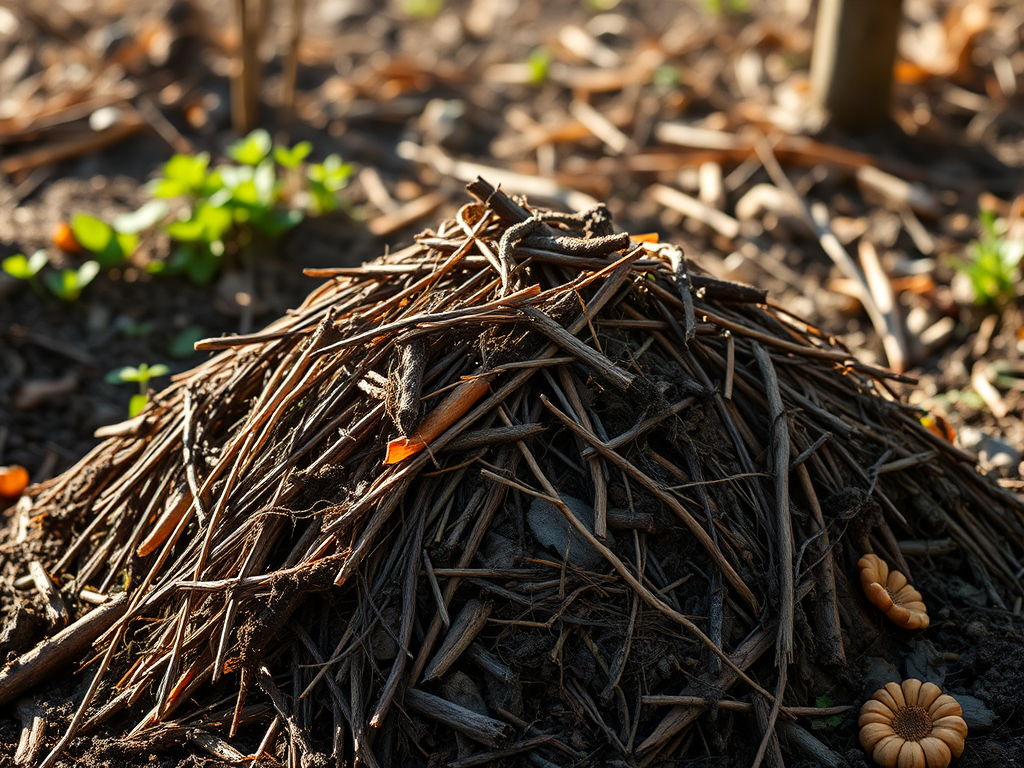
If your compost pile isn't heating up, the most likely causes are insufficient nitrogen, poor aeration, or inadequate moisture. To resolve this, ensure you have a balanced mix of green materials (high in nitrogen) and brown materials (high in carbon), turn the pile regularly to introduce air, and maintain proper moisture levels. If these adjustments don't work, consider the size of your pile, as a small compost pile may struggle to generate heat effectively.
Understanding Compost Pile Heating
Composting is a natural process where organic materials decompose, turning into nutrient-rich soil. The heat generated during this process is crucial as it helps kill pathogens and weed seeds, creating a healthier end product. The microbial activity responsible for this heating requires specific conditions to thrive, making it essential to understand how to manage these factors effectively.
The ideal temperature for a compost pile typically ranges between 130°F to 160°F (54°C to 71°C). This range indicates active microbial activity. However, if your compost pile is not heating up, it can hinder the decomposition process and negatively impact the quality of the final compost.
Common Causes of Low Heat in Compost Piles
Several factors can contribute to a compost pile not heating up adequately. The primary causes include:
- Insufficient Nitrogen: Composting requires a balance of carbon (browns) and nitrogen (greens). If your compost lacks nitrogen-rich materials, it may not heat up as needed.
- Poor Aeration: Oxygen is vital for aerobic microorganisms that generate heat. If the compost is compacted, it can restrict airflow, leading to lower temperatures.
- Inadequate Moisture: Compost needs to be moist but not soggy. If it is too dry, microbial activity will slow down, resulting in lower heat levels.
- Small Pile Size: Smaller compost piles may not generate enough heat due to inadequate mass. A larger pile can retain heat better and support microbial activity.
Identifying which of these factors is affecting your compost pile is the first step toward restoring its heat.
Practical Adjustments to Increase Heat
Once you have identified the potential causes of low heat in your compost pile, consider implementing the following adjustments:
- Add Nitrogen-Rich Materials: Incorporate green materials such as grass clippings, kitchen scraps, or manure into your compost pile. Aim for a ratio of about 30 parts carbon to 1 part nitrogen for optimal results.
- Turn the Pile: Regularly turning your compost pile introduces oxygen, which is essential for aerobic decomposition. Use a pitchfork or compost aerator to mix the materials thoroughly.
- Monitor Moisture Levels: Check the moisture content of your compost. It should feel like a damp sponge. If it’s too dry, add water gradually while mixing to achieve the right consistency.
- Increase Pile Size: If your compost pile is small, consider combining it with another pile or adding more materials to increase its size. A larger pile can better retain heat and facilitate microbial activity.
By making these adjustments, you can encourage the composting process and restore the heat needed for effective decomposition.

Monitoring and Maintaining Compost Heat
After making adjustments, it’s important to monitor the temperature of your compost pile regularly. Use a compost thermometer to check the internal temperature, noting any changes over time. Ideally, you should see an increase in temperature within a few days of implementing your adjustments.
Additionally, maintaining the right balance of materials, moisture, and aeration is crucial for ongoing compost health. Regularly check for any signs of issues, such as unpleasant odors or excessive moisture, as these can indicate problems that need to be addressed. Keep in mind that the composting process can take several weeks to months, so patience is key.