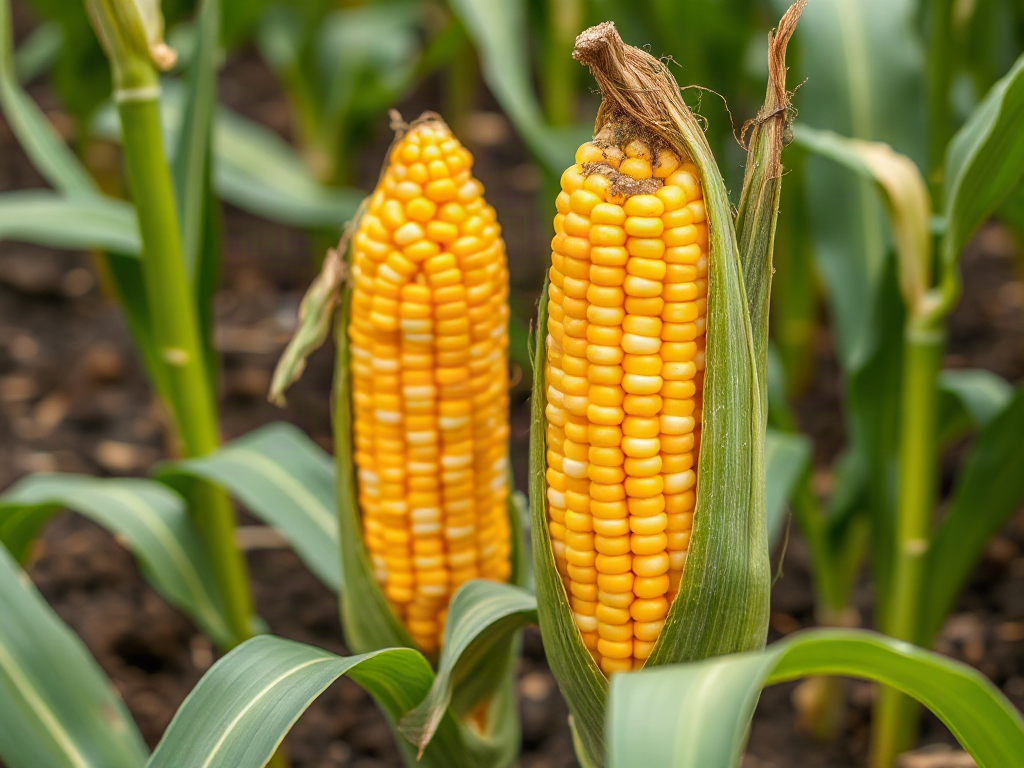
Mini corn growing requirements and expected harvest depend on warm soil, full sun, steady moisture, fertile ground, and frequent picking before the ears mature. Plant after cold weather has passed when soil is at least about 60°F, then grow several short rows or blocks so wind-borne pollen reaches the silks. Keep plants evenly watered, feed lightly in poor soil, and control weeds while seedlings are small. Harvest baby corn when ears are slender and the silks have only recently appeared, often within a few days of silk emergence. Expect many small ears rather than full-size corn; yield varies with variety, plant population, pollination, weather, and how often you pick.
What Mini Corn Needs to Grow Well
Mini corn is usually harvested as immature ears, not as a naturally tiny version of mature sweet corn. That distinction changes the growing objective. The crop still needs the warmth, light, nutrients, and moisture associated with corn, but the harvest window arrives much earlier and the finished ears are deliberately small. Some varieties are bred for baby-corn production, while ordinary corn varieties can also produce usable immature ears when picked promptly.

Choose a site with at least six hours of direct sun and loose soil that drains after rain. Corn grows quickly when roots can explore a reasonably deep, well-aerated bed. Waterlogged ground can slow roots and encourage weak, pale plants; compacted ground can produce shallow roots that wilt rapidly. A soil test is more useful than guessing with fertilizer, particularly because excessive nitrogen may produce tall foliage without improving the small ears you actually want.
Warmth is a basic requirement. Sow outdoors when the soil has warmed to roughly 60°F, or follow the temperature guidance on the seed packet. Cold, wet soil often causes uneven emergence, and uneven emergence produces uneven pollination and harvest. A black plastic mulch or a sheltered bed may warm the soil, but mulch should not replace good drainage.
Before sowing, work mature compost into poor soil and remove perennial weeds. Compost improves structure, but it is not a guaranteed source of every nutrient. If plants remain pale or growth is weak, use soil-test results to decide whether additional feeding is warranted. Readers comparing ordinary sweet corn with baby-corn varieties should check the seed description: maturity days may refer to full ears, baby ears, or both.
For a compact homestead bed, prioritize even emergence over squeezing in every possible plant. A crowded patch may produce many stalks but can become difficult to weed and water. This Mini corn growing requirements and expected harvest approach works best when the bed is prepared before sowing and the picking plan is decided in advance.
Planting Density, Pollination, and Water
Plant mini corn in a block or several short, close rows rather than one long isolated row. Corn is wind-pollinated, so a block gives pollen a better chance of reaching silks than a single line of widely separated plants. Baby corn can be harvested before fully developed kernels matter, but pollination still affects ear formation and the number of usable ears.
Follow the spacing on the variety packet, generally leaving enough room for roots and air movement while keeping plants close enough to pollinate. Thin seedlings if they emerge too tightly. A small bed of evenly spaced plants is easier to inspect than a dense thicket. For succession harvests, sow another short row after the first crop is established, provided the season is long enough and the new planting will still have warm weather.
Consistent moisture matters most during germination, rapid leaf growth, and ear formation. Water deeply enough to moisten the root zone, then check the soil rather than watering by habit. Drying out repeatedly can cause rolled leaves, stunted plants, and fewer marketable ears. Constantly saturated soil creates a different problem by reducing oxygen around roots. Drip irrigation or a soaker hose keeps foliage drier than overhead watering and makes it easier to apply water at the base.
Weed control deserves attention during the first few weeks. Young corn competes poorly with vigorous weeds, while later plants shade much of the ground themselves. Shallow cultivation avoids cutting surface roots. Organic mulch can reduce evaporation and weed pressure once seedlings are established, but keep thick, wet mulch away from the stalk bases so rodents and rot are less likely to become problems.
A common mistake is assuming that more fertilizer will compensate for poor placement or drought. It will not. If plants are tall but ears are scarce, inspect spacing, pollination, moisture, and variety suitability before adding feed. For small gardens, a practical priority order is warm soil, reliable water, block planting, early weed control, and only then supplemental fertilizer.
Harvest Timing and Realistic Yield
Harvest mini corn by size and tenderness rather than by the full maturity date printed for standard corn. Baby ears are usually ready when they are slender, tender, and short, with fresh silks just emerging or before the kernels become prominent. The exact stage depends on the variety and the intended use. Check the planting each day once silks appear because ears can pass from delicate to fibrous quickly in hot weather.
Pick with a clean knife or snap the ear carefully from the stalk without tearing nearby leaves. Harvesting in the cool morning helps the ears retain crispness. Remove damaged or oversized ears during the same pass. Frequent picking encourages the plant to continue producing additional ears, although the number of ears depends on genetics, plant health, and whether the variety naturally forms multiple ears.
Expected harvest should be expressed as ear count rather than a guaranteed weight. A small planting may provide a handful of baby ears per picking, followed by several harvests during the productive period. A healthy stand can yield more than one usable ear per plant, but that is not a promise for every variety or season. Heat stress, drought, poor pollination, insect feeding, and late sowing can reduce both ear number and quality.
For planning, count the plants that actually emerged and estimate conservatively. If 30 plants are growing well, do not assume 30 identical ears will be ready on the same day. Some plants may produce small side ears while others offer one main ear. A staggered planting spreads the harvest and is more useful for household meals than a single large flush.
Mini corn is not simply immature full-size corn in terms of kitchen yield. Each ear contains far less food than a mature sweet-corn ear, so it takes more ears to fill a dish. The tradeoff is that the whole tender ear is edible and can be used in stir-fries, salads, pickles, or quick sautés. The expected harvest is therefore best judged against the recipe or preservation goal, not against the number of mature ears expected from a conventional corn patch.
Common Problems and Practical Corrections
Uneven emergence usually points to cold soil, crusted ground, inconsistent planting depth, or drying during germination. Wait for suitable soil temperature, sow at a uniform depth, and maintain steady surface moisture until seedlings appear. Replant gaps promptly if the season allows, but remember that late plants may mature behind the original stand and complicate picking.

Thin, weak seedlings may result from shade, crowded emergence, root damage, or inadequate fertility. Full sun is preferable to a bright-looking site that receives only a few hours of direct light. Thin crowded seedlings with scissors rather than pulling neighboring plants and disturbing their roots. If soil is poor, a measured side-dressing may help, but a soil test is a safer basis than repeated applications.
Few ears can reflect weak pollination, especially when plants are scattered or flowering occurs during windy, rainy weather. A block planting is the simplest correction for the next sowing. Hand-pollinating is rarely the main answer for a baby-corn crop, because the useful harvest is immature; improving plant arrangement and avoiding severe drought usually has greater value.
Chewed leaves and damaged silks may indicate insects or animals, but not every hole justifies treatment. Inspect the plant, identify the pest, and consider whether the damage is affecting growing points or ears. Floating row cover can protect young plants from some pests, though it must be removed when pollination is needed. Deer, raccoons, and birds may require fencing or netting rather than an insect product.
Oversized, tough ears are a harvest-timing failure rather than proof that the crop cannot produce mini corn. Mark the date when the first silks appear and inspect daily afterward. If the garden is unattended for several days, choose a variety with a more forgiving harvest description or plant fewer rows. Readers who want a deeper comparison of requirements and yield can use this corn harvest reference while adjusting expectations to their own climate and seed source.
Using and Saving the Harvest
Use baby corn soon after picking for the best texture. Refrigerate it promptly in a breathable bag or container, and avoid soaking it before storage because surface water can speed deterioration. Trim the stem end if needed, rinse immediately before cooking, and inspect each ear for tough sections.
Quick cooking preserves the crisp texture. Stir-frying, steaming, blanching, grilling, and adding the ears to soups are practical options. Very small ears may be cooked whole; larger ones can be sliced lengthwise or crosswise. Pickling is possible, but use a tested preservation recipe rather than improvising acidity, salt, or processing time. Fresh mini corn is not automatically shelf-stable.
Seed saving requires caution. An ear harvested as baby corn will not provide mature seed. To save seed, leave selected plants unharvested until the ears reach full maturity, then allow the kernels to dry properly before storage. Cross-pollination with nearby corn can change the next generation, so saved seed may not reproduce the purchased variety. Hybrid seed also may not come true to type.
A useful household plan separates eating harvest from seed harvest. Reserve only a few vigorous plants for maturity if the growing season is long enough, and accept that doing so reduces the number of baby ears from those plants. If the primary goal is fresh food, buying fresh seed each season may be simpler and more predictable. If the goal is resilience, keep records of sowing date, variety, weather, ear count, and the day each picking occurred.
For locally appropriate sowing dates, soil testing, pest identification, and variety selection, consult your state university extension service or a recognized agricultural extension program. Their regional recommendations are more useful than a universal calendar because soil warmth, frost dates, rainfall, and common pests vary substantially.
Frequently Asked Questions
How warm should the soil be before planting mini corn?
Aim for soil around 60°F or follow the seed packet directions. Cold, wet soil often causes slow or uneven emergence.
Does mini corn need full sun?
Yes. At least six hours of direct sun is a practical target for strong growth, ear formation, and manageable harvest timing.
How do I know when baby corn is ready?
Inspect daily after silks appear. Pick slender, tender ears before kernels become prominent or the cob develops a fibrous texture.
How many mini-corn ears will one plant produce?
There is no dependable fixed number. Variety, spacing, moisture, pollination, weather, and picking frequency can produce very different ear counts.
Can I save seed from baby corn?
Not from ears harvested immature. Leave selected ears on the plant until fully mature and dry, while recognizing that cross-pollination or hybrid genetics may change the next crop.
Conclusion
Successful mini corn production comes from matching the crop to its real purpose: quick harvest of tender immature ears rather than maximum mature-kernel yield. Prepare a sunny, well-drained bed, wait for warm soil, plant in a pollination-friendly block, and maintain even moisture while seedlings and ears develop. Check the crop frequently once silks appear, because a few missed days can turn crisp baby corn into tough, oversized ears. Plan yield by usable ear count and intended meals, not by assumptions borrowed from full-size sweet corn. Keep simple records of variety, planting date, weather, and harvest size. Those notes will show whether the next improvement should be earlier sowing, closer block planting, better irrigation, or a different seed choice.