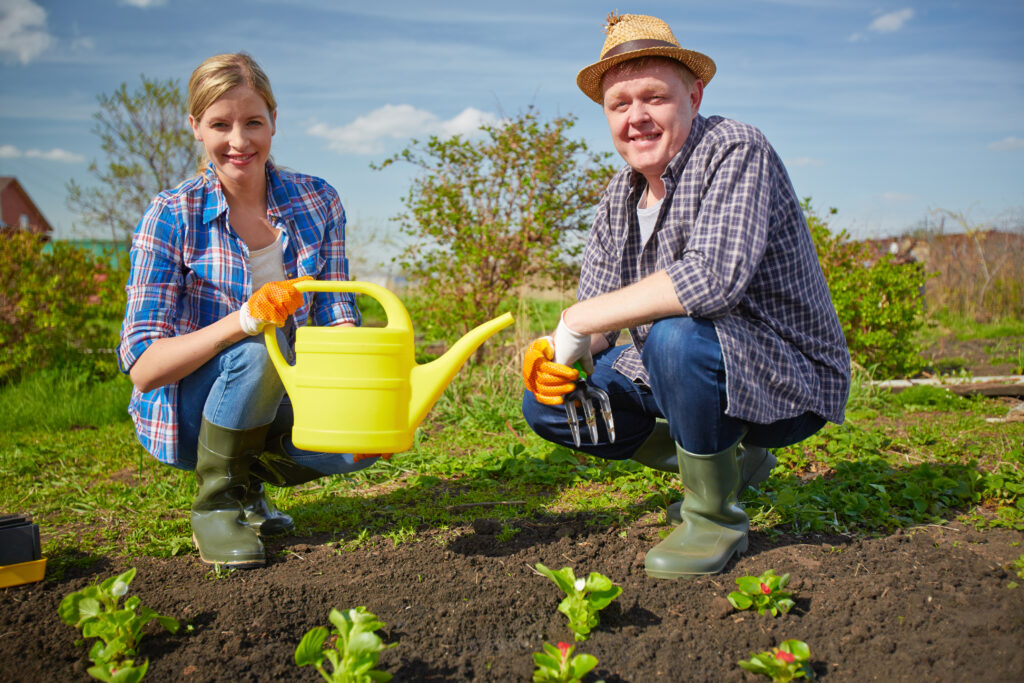

When starting a homestead, the right equipment can make a significant difference in productivity and ease of operations. For instance, investing in durable and multifunctional tools can save time and reduce physical strain. It’s also important to consider the specific needs of your homestead, whether it’s crop cultivation, livestock management, or general maintenance. Many beginners underestimate the importance of having the right tools, leading to inefficiencies and frustration.
A common mistake is to purchase equipment that is either too specialized or not durable enough to withstand the rigors of homesteading. Focusing on quality over quantity and selecting versatile tools can lead to better long-term results. Budgeting for these essential items early on will help ensure that your homestead runs smoothly from the start.
Hand Tools for Homesteading
Hand tools are the backbone of any homesteading operation. Essential items include shovels, hoes, rakes, and pruners. These tools are vital for soil preparation, planting, and maintenance of garden beds.

Investing in high-quality hand tools can significantly improve your efficiency. Stainless steel tools, for example, are less prone to rust and can last for years with proper care. Additionally, tools with ergonomic designs help reduce strain during prolonged use, making them more user-friendly.
When selecting hand tools, prioritize multifunctionality. For instance, a sturdy digging fork can serve multiple purposes, from aerating soil to turning compost. Many homesteaders find that a few well-chosen tools can cover almost all their needs, preventing clutter and unnecessary purchases.
Gardening Equipment Essentials
Gardening equipment is crucial for cultivating crops effectively. A reliable tiller, wheelbarrow, and watering system can enhance productivity and ensure healthy plant growth.
For instance, a rototiller can save time and energy when preparing large plots for planting. Similarly, a drip irrigation system conserves water while delivering it directly to the roots, promoting healthier plants with less effort. Understanding the specific requirements of your soil and climate can guide your equipment choices.
Many new homesteaders overlook the importance of proper watering techniques. An irrigation system not only saves time but also reduces the risk of over or under-watering, which can lead to crop failure. Evaluate your gardening needs and invest in equipment that aligns with your goals.
Animal Care Supplies
If your homestead includes livestock, animal care supplies are essential. This includes feed storage containers, water troughs, and fencing materials.
Quality feed storage is crucial to prevent spoilage and pest infestations. Metal or heavy-duty plastic bins can keep feed safe and dry. Additionally, reliable fencing is necessary to protect your animals from predators and keep them contained.

Many homesteaders find that investing in portable fencing systems can provide flexibility in grazing practices, enhancing land use. Consider the specific needs of your livestock when selecting these supplies, ensuring they are durable and easy to manage.
Storage Solutions for Efficiency
Effective storage solutions can streamline your homesteading operations. This includes sheds, raised beds for gardening, and proper storage for tools and equipment.
Building or purchasing a sturdy shed can protect your tools from the elements, prolonging their lifespan and ensuring they’re ready for use. Additionally, raised garden beds can enhance soil drainage and make maintenance easier, reducing back strain.
Consider using vertical storage solutions to maximize space efficiency. Shelving units and pegboards can keep tools organized and accessible, minimizing the time spent searching for equipment. A well-organized workspace can significantly enhance productivity on your homestead.
Further Reading
Authoritative Sources
- Resource Title
example.comThis resource provides comprehensive information on essential tools and techniques for successful homesteading
Frequently Asked Questions
What are the most important tools for a beginner homesteader?
The most important tools include shovels, hoes, pruning shears, and a wheelbarrow for efficient gardening and maintenance.
How much should I budget for homesteading equipment?
Budgeting can vary widely, but setting aside $500 to $1,500 can cover essential tools and supplies for a small homestead.
Can I buy used equipment for homesteading?
Yes, buying used equipment can save money; just ensure it’s in good condition and suitable for your needs.
What type of storage is best for animal feed?
Metal or heavy-duty plastic containers are best for animal feed storage to prevent spoilage and pests.
How do I maintain my homesteading tools?
Regular cleaning, proper storage, and occasional sharpening can extend the life of your tools significantly.
Conclusion
Ultimately, equipping your homestead with the right tools is essential for achieving self-sufficiency and efficiency. Focus on quality, multifunctionality, and the specific needs of your environment. Prioritize hand tools, gardening equipment, animal care supplies, and effective storage solutions to create a well-functioning homestead. By understanding what equipment is truly necessary, you can avoid common pitfalls and ensure your homesteading journey is productive and rewarding.