
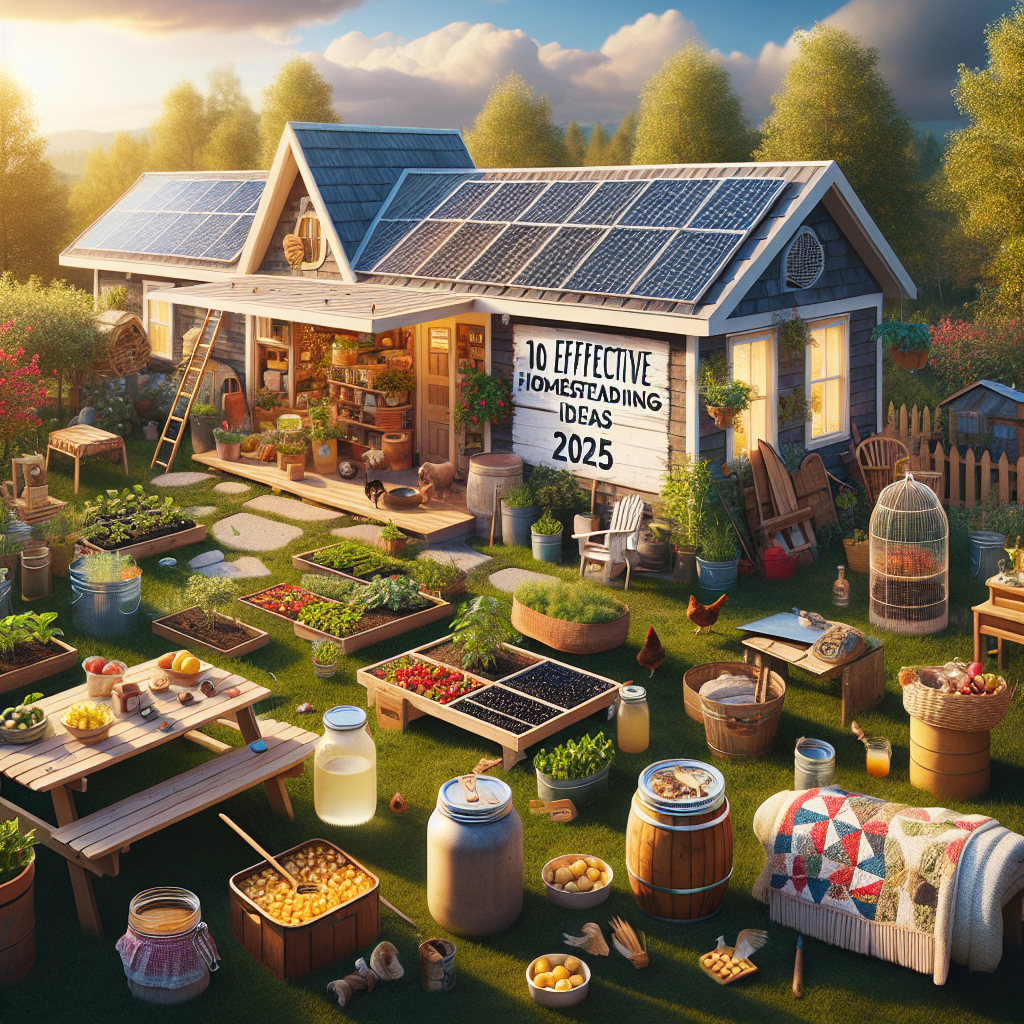
Food independence can be achieved through specific methods that empower individuals to grow and preserve their own food. By cultivating a garden, you can produce fresh fruits and vegetables, which minimizes your reliance on grocery stores and processed foods. Moreover, learning preservation techniques like canning, freezing, and fermenting can help you store seasonal produce for year-round use.
Many people overlook the importance of planning when it comes to achieving food independence. Starting small is often the best approach; focus on growing a few key crops that you and your family enjoy. Additionally, understanding the local climate and soil conditions can help you select the right plants for your garden. Mistakes such as planting too much too soon or neglecting soil health can hinder your progress. Therefore, prioritize soil preparation and crop rotation to maintain a sustainable garden.
As you embark on your journey toward food independence, consider integrating other methods such as raising chickens for eggs or bees for honey. These practices can complement your gardening efforts and provide additional sources of food. When starting with livestock, ensure you have the necessary space, resources, and knowledge to care for them properly.

Choosing the Right Crops
Selecting the right crops is crucial for a successful garden. Begin by assessing your climate and the growing season in your area. Opt for crops that are well-suited to your environment and that your family enjoys eating. This not only ensures a higher yield but also encourages you to engage with your garden regularly.
Common beginner crops include tomatoes, peppers, and leafy greens, which are relatively easy to grow. It’s wise to start with a few varieties and expand as you gain experience. Additionally, consider planting heirloom seeds, which can provide unique flavors and resilience against pests and diseases.
Effective Preservation Techniques
Preservation techniques are essential for extending the life of your homegrown produce. Canning, freezing, and fermenting are popular methods that can help you store food efficiently. Canning involves sealing food in jars at high temperatures to kill bacteria, while freezing preserves the freshness of fruits and vegetables by halting decay.
Fermenting is another method worth exploring, as it not only preserves food but also enhances its nutritional value through beneficial bacteria. Start with simple recipes for foods like sauerkraut or pickles to ease into the fermentation process. Always ensure that you follow safe practices to maintain food quality and safety.
Integrating Livestock
Integrating livestock into your homesteading efforts can significantly enhance your food independence. Chickens are a popular choice for beginners, as they provide a consistent source of fresh eggs and require relatively low maintenance. Additionally, they can help with pest control in your garden.
Before taking on livestock, ensure you have adequate space and resources to care for them. Research the specific needs of the animals you want to raise, including their diet, shelter requirements, and health care. Proper planning and management will help you avoid common pitfalls associated with livestock ownership.

Planning for Sustainability
Long-term food independence requires sustainable practices. This includes rotating crops to maintain soil health, using organic fertilizers, and incorporating companion planting to naturally deter pests. It’s also vital to be mindful of water usage and explore rainwater collection systems if possible.
Consider engaging with local gardening groups or online forums to share experiences and learn from others. Networking can provide valuable insights into overcoming challenges and adapting your strategies for better outcomes. Ultimately, consistent planning and adaptability will lead to a more resilient food independence strategy.
For those interested in expanding their knowledge on this topic, consider exploring resources from local agricultural extensions or reputable gardening websites. These can provide in-depth information on specific crops, preservation methods, and sustainable practices.
Frequently Asked Questions
What are the first steps toward achieving food independence?
The first steps include assessing your space for gardening, selecting suitable crops, and learning basic growing techniques.
How can I preserve my homegrown food?
Common preservation methods include canning, freezing, and fermenting, each offering unique benefits for food storage.
Is it necessary to raise livestock for food independence?
No, but raising livestock like chickens can supplement your food supply with fresh eggs and additional nutrients.
What crops are best for beginners?
Beginner-friendly crops include tomatoes, peppers, and leafy greens due to their adaptability and ease of growth.
How can I ensure sustainability in my food production?
Sustainability can be achieved through crop rotation, organic practices, and efficient water management strategies.
Further Reading
Authoritative Sources
- NIH Office of Dietary Supplements
ods.od.nih.govEvidence-based information on vitamins, minerals, supplements, and nutrition-related questions.
- USDA FoodData Central
fdc.nal.usda.govUSDA nutrient data for foods and ingredients used in nutrition decisions.
- Harvard T.H. Chan School of Public Health Nutrition Source
hsph.harvard.eduPublic health nutrition guidance and educational resources.
Conclusion
In closing, achieving food independence is a step-by-step process that involves cultivating crops, mastering preservation techniques, and possibly integrating livestock. Focus on starting small, understanding your local environment, and gradually expanding your efforts as you gain confidence and knowledge. Prioritizing sustainable practices will ensure long-term success and resilience in your food production journey.