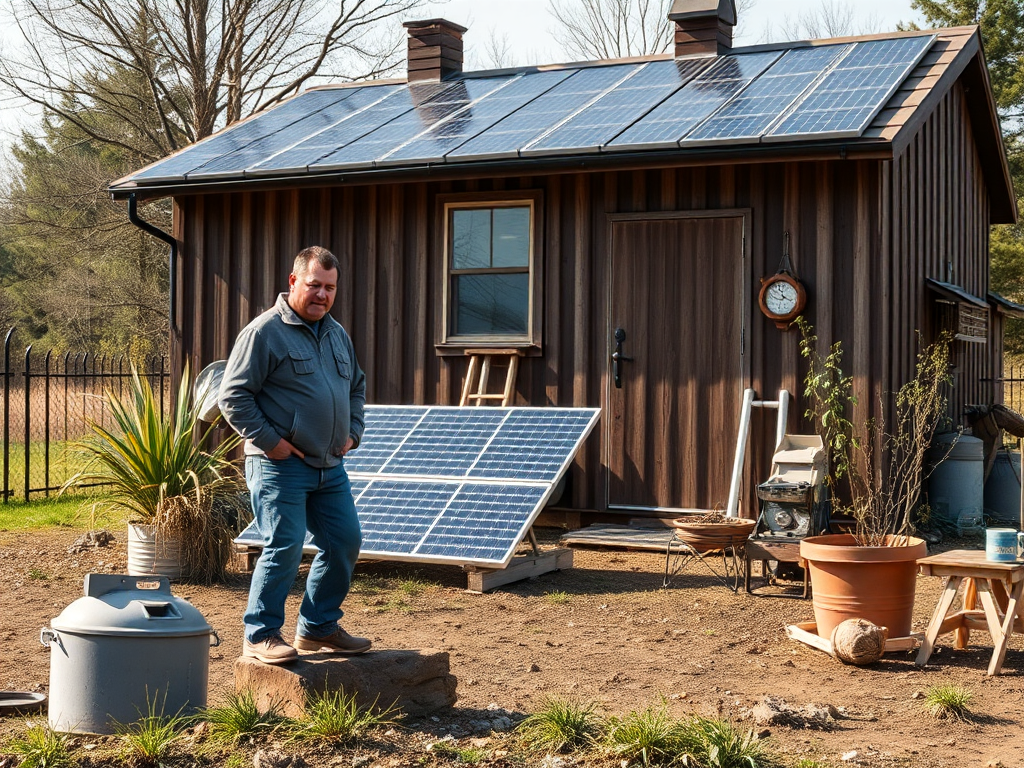
Integrating renewable energy into your homestead involves assessing your energy needs, selecting appropriate systems like solar or wind, and ensuring proper installation and maintenance. Start by evaluating your energy consumption to determine the best type of renewable source, such as solar panels for electricity or a wind turbine for supplemental power. Consider local regulations and potential financial incentives, as these can impact your investment and savings. Prioritize energy efficiency upgrades alongside your renewable installations to maximize benefits.
Assessing Energy Needs
Understanding your energy needs is the first step in integrating renewable energy into your homestead. Start by conducting an energy audit to identify how much electricity you consume daily and what appliances or systems are your biggest energy users. This will guide you in determining the scale of the renewable energy system you will need.
For instance, if you have a large family or multiple energy-intensive appliances, your requirements will be higher compared to a smaller household. You should consider factors like seasonal energy fluctuations, peak usage times, and future energy needs as your homestead grows or changes. A detailed energy audit can help you prioritize which areas to address first, such as heating, cooling, or electrical appliances.
Choosing the Right Renewable Energy Source
Once you have a clear idea of your energy needs, the next step is to select the appropriate renewable energy source. The most common options for homesteaders include solar power, wind energy, and biomass. Each has its own advantages and limitations depending on your location, climate, and budget.
For instance, solar panels are an excellent choice if you live in a sunny area, providing a reliable source of electricity. Wind turbines can be effective in areas with consistent wind patterns, while biomass systems are suitable for those with access to organic waste materials. Research local conditions and regulations to determine which option aligns best with your homesteading goals.
Installation and Maintenance
Proper installation and maintenance of your renewable energy systems are critical for their efficiency and longevity. Depending on your skill level, you may opt for professional installation or attempt a DIY approach. If you choose to go the DIY route, ensure you thoroughly understand the installation process and local building codes.
Once installed, regular maintenance is key to keeping your systems running efficiently. This may include cleaning solar panels to remove dirt and debris, checking wind turbine blades for wear, and ensuring that all electrical connections are secure. Staying proactive with maintenance can help prevent costly repairs and extend the lifespan of your renewable energy systems.
Financial Considerations and Incentives
Investing in renewable energy can be significant, but there are various financial considerations and incentives to help offset costs. Research local and federal tax credits, rebates, and grants that may be available for renewable energy installations. These can significantly reduce your initial investment and improve financial viability.
Additionally, consider the long-term savings on your energy bills. While the upfront costs might seem daunting, renewable energy systems often pay for themselves over time through reduced energy expenses. Calculating your return on investment (ROI) can help you understand the financial benefits of integrating renewable energy into your homestead.
Frequently Asked Questions
What is the best renewable energy source for a homestead?
The best renewable energy source depends on your location and energy needs. Solar power is ideal for sunny areas, while wind energy is effective in regions with consistent wind.
How much does it cost to install renewable energy systems?
Installation costs vary widely based on the type of system, size, and local labor rates. Solar panel systems can range from ,000 to ,000 before incentives.
Are there financial incentives for renewable energy?
Yes, many governments offer tax credits, rebates, and grants for renewable energy installations that can significantly reduce upfront costs.
What are the maintenance requirements for renewable energy systems?
Maintenance varies by system type. Solar panels typically require cleaning and occasional inspections, while wind turbines need checks on mechanical components.
Can I install renewable energy systems myself?
Yes, many homesteaders choose DIY installations. However, it's important to understand the installation process fully and comply with local building codes.
Conclusion
Integrating renewable energy into your homestead can significantly enhance sustainability and reduce energy costs. By assessing your energy needs, choosing the right systems, and understanding financial incentives, you can create a greener, more self-sufficient living environment. Prioritize ongoing maintenance and stay informed about new technologies and funding opportunities to maximize the benefits of your renewable energy investments.