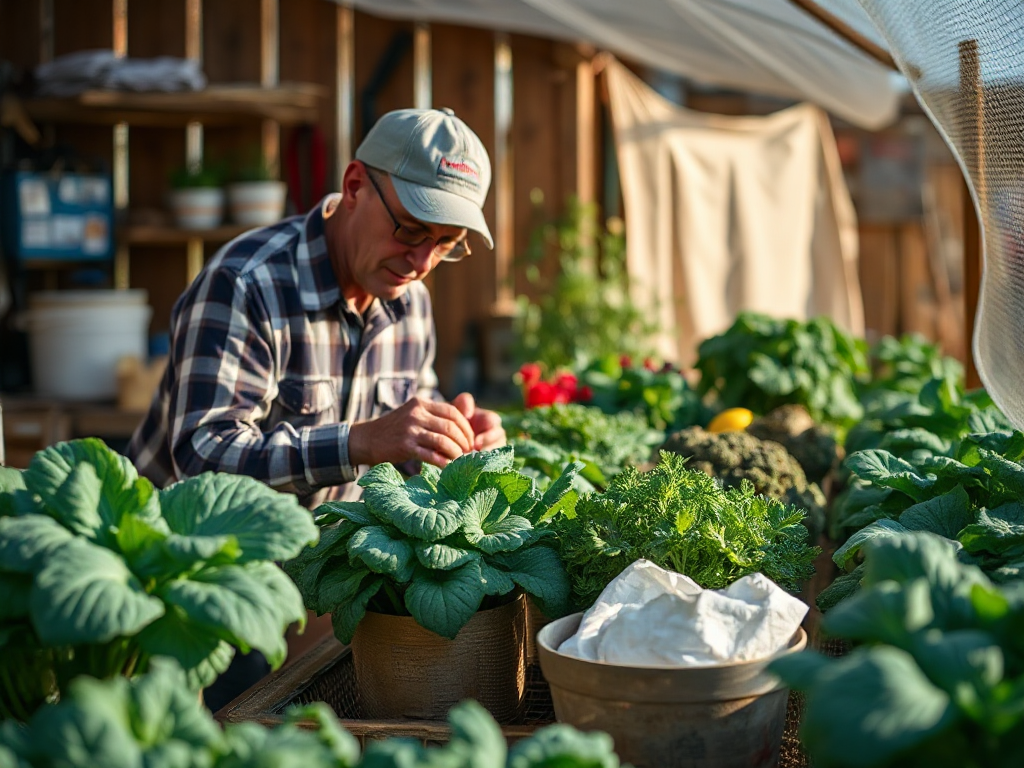
Year-round food production at home can be achieved through a combination of techniques such as indoor gardening, crop rotation, and season extension methods like hoop houses. Utilizing these strategies allows for a continuous supply of fresh produce, optimizing space and resources. Common mistakes include overplanting and neglecting soil health, which can hinder productivity. Prioritizing diverse crops and proper planning ensures a sustainable and efficient home food production system.
Understanding Year-Round Food Production Techniques
Year-round food production techniques are essential for maximizing the output of home gardens and ensuring a steady supply of fresh produce. Techniques such as indoor gardening, vertical farming, and utilizing greenhouses or hoop houses can significantly extend the growing season. Indoor gardening allows for the cultivation of herbs and vegetables in controlled environments, protecting them from harsh weather conditions. Vertical gardening optimizes limited space, making it possible to grow more in smaller areas. Greenhouses and hoop houses provide a stable environment that can facilitate planting earlier in spring and extending harvests into fall and winter.
One common mistake in year-round food production is underestimating the importance of light and temperature control. Without adequate light, plants may struggle to thrive indoors or in shaded areas. For instance, using grow lights can supplement natural light for indoor plants, ensuring they receive the necessary energy for growth. Additionally, maintaining proper temperature and humidity levels is crucial for preventing diseases and promoting healthy plant development.
Choosing the Right Crops for All Seasons
Selecting the right crops for year-round food production is vital for maximizing yield and ensuring a diversified harvest. Cool-season crops like kale, spinach, and radishes can be planted in the fall or early spring, while warm-season crops like tomatoes, peppers, and cucumbers thrive in the summer months. Incorporating a mix of both types of crops allows for continuous harvests and reduces the risk of crop failure due to weather fluctuations.
When planning your garden, consider companion planting, which involves growing certain plants together for mutual benefit. For instance, planting basil alongside tomatoes can improve flavor and deter pests. Additionally, rotating crops each season can help maintain soil health and prevent nutrient depletion. A common pitfall is planting the same crops in the same location year after year, which can lead to soil exhaustion and increased pest problems.
Space Optimization Strategies for Home Gardens
Space optimization is crucial for effective year-round food production, especially in urban settings where garden space may be limited. Techniques such as raised beds, container gardening, and intercropping can help maximize productivity. Raised beds allow for better soil drainage and can be built to any size, making them ideal for small spaces. Container gardening provides flexibility, allowing plants to be moved to optimize sunlight exposure.
Another effective strategy is intercropping, where different crops are planted closely together to utilize space efficiently. This method can reduce weed growth and improve overall yield. For example, growing fast-maturing crops like lettuce alongside slower-growing crops like carrots can ensure that space is utilized throughout the growing season. However, it’s important to avoid overcrowding plants, which can lead to competition for nutrients and light.
Planning and Managing Your Food Production
Effective planning and management are essential components of successful year-round food production. A well-structured planting calendar helps ensure that crops are sown and harvested at the right times. Consider factors such as local climate, frost dates, and the specific growing requirements of each crop. Utilizing tools like garden planners or mobile apps can aid in organizing planting schedules and tracking progress.
Regular maintenance, including watering, fertilizing, and pest management, is vital for sustaining healthy plants. A common mistake is neglecting soil health; regular testing and amending soil with organic matter can significantly enhance productivity. Additionally, keeping a journal of gardening activities can help identify what works best in your unique environment and inform future planting decisions. As you gain experience, adapt your strategies based on what yields the best results.
Frequently Asked Questions
What are the best crops for winter gardening?
Best winter crops include kale, spinach, and carrots, which can withstand colder temperatures and frost.
How can I extend my growing season?
Using row covers, greenhouses, or cold frames can help protect plants and extend the growing season.
What is companion planting?
Companion planting involves growing different plants together for mutual benefits, such as pest control and improved growth.
How often should I rotate my crops?
Crops should be rotated every season to prevent soil depletion and reduce pest and disease issues.
What are common mistakes in home gardening?
Common mistakes include overwatering, neglecting soil health, and poor planning regarding crop selection and timing.
Conclusion
Implementing effective strategies for year-round food production at home requires thoughtful planning, the right crop choices, and efficient use of space. By understanding the techniques available, selecting suitable crops, and optimizing your garden layout, you can enjoy a continuous supply of fresh produce. Regular maintenance and adaptability to changing conditions are crucial for success. Start with a clear plan, and adjust your methods based on what works best in your environment for sustainable and productive home gardening.