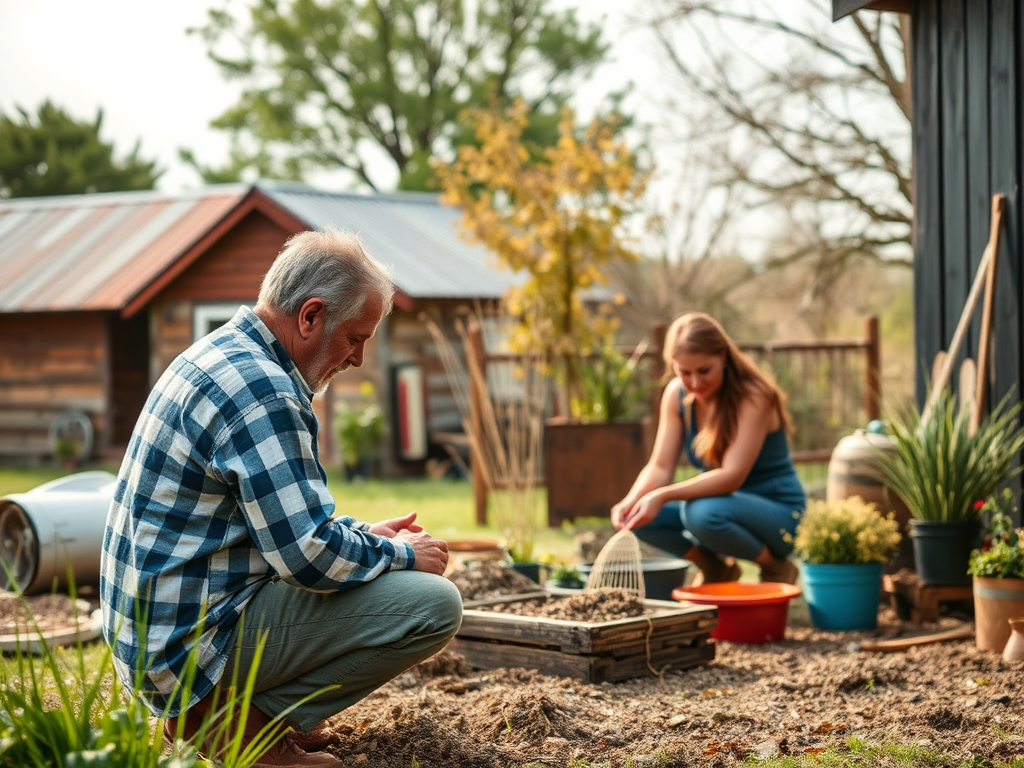
Building a community around your homestead involves fostering connections with neighbors, sharing resources, and collaborating on projects. Start by engaging with local groups, hosting events, and utilizing social media to promote your homestead's initiatives. Focus on common interests, such as gardening or sustainable practices, to attract like-minded individuals. Establishing a community not only enhances support networks but also cultivates a sense of belonging and shared purpose.
Understanding the Importance of Community
Building a community around your homestead is essential for fostering resilience, sharing knowledge, and supporting one another in sustainable practices. A strong community can provide emotional support, practical assistance, and shared resources, which are particularly valuable in times of need. Moreover, engaging with others who have similar interests enhances the overall experience of homesteading, creating a network where knowledge and resources flow freely.
Communities thrive on shared goals and common values. In the context of homesteading, these might include a commitment to sustainability, organic farming, or local food systems. Understanding the importance of these shared interests can help you connect with others and build a vibrant community that supports your homesteading journey.
Methods for Building Connections
To effectively build connections within your homesteading community, consider various methods that promote interaction and collaboration. Begin by attending local farmers’ markets, community fairs, or homesteading workshops. These events provide opportunities to meet other homesteaders, exchange ideas, and share experiences.
Another approach is to create or join local clubs or groups focused on homesteading practices. This could involve gardening clubs, livestock associations, or sustainability groups. By actively participating in these organizations, you can build relationships with others who share your interests, leading to collaborations and support networks.
Additionally, consider organizing informal meet-ups, potlucks, or skill-sharing sessions at your homestead. Such gatherings foster a sense of community and provide an avenue for sharing knowledge and resources. Remember to encourage open communication and collaboration, as these are key components of a thriving community.
Hosting Events and Workshops
Hosting events and workshops is an excellent way to bring your community together while sharing valuable skills and knowledge. Start by identifying topics that resonate with your community, such as organic gardening, food preservation, or animal husbandry. Plan workshops that are hands-on and engaging, allowing participants to learn while actively participating.
Promote these events through local bulletin boards, social media, or community newsletters. Ensure that your workshops are inclusive and accessible, encouraging participation from a diverse range of individuals. This not only enriches the learning experience but also strengthens community bonds.
After hosting an event, follow up with participants to gather feedback and suggestions for future workshops. This shows that you value their input and are committed to improving the community experience. Ultimately, hosting events will not only enhance your skills but also solidify your role as a community leader.
Utilizing Online Platforms
In today’s digital age, online platforms can significantly enhance your efforts to build a community around your homestead. Social media networks, such as Facebook or Instagram, allow you to connect with local homesteaders, share experiences, and promote events. Creating a dedicated page or group for your homesteading community can facilitate discussions, resource sharing, and collaboration.

Additionally, consider using platforms like Meetup to organize local events and attract participants. You can also explore online forums or websites dedicated to homesteading, where you can engage with others in your area and beyond. These platforms can serve as valuable resources for advice, support, and inspiration.
While online engagement is essential, it is crucial to balance it with face-to-face interactions. Encourage members of your community to connect both online and offline, as this strengthens relationships and fosters a sense of belonging.
Frequently Asked Questions
What are the benefits of building a community around my homestead?
Building a community provides emotional support, shared resources, and collaborative opportunities that enhance the homesteading experience.
How can I find local homesteaders?
Attend local farmers' markets, workshops, or community events to meet other homesteaders and connect with like-minded individuals.
What types of events can I host to engage my community?
Consider hosting workshops, potlucks, or skill-sharing sessions focused on homesteading topics to engage your community effectively.
How can online platforms help in building my homesteading community?
Online platforms allow for easy communication, event promotion, and resource sharing among community members, enhancing engagement.
What should I prioritize when building my community?
Focus on fostering relationships, promoting inclusivity, and encouraging collaboration to create a supportive and thriving community.
Further Reading
Authoritative Sources
- Build Your Modern Homesteading Community
motherearthnews.comBuild your modern homesteading community aboveground, below and beyond normal community dynamics to support your meaningful cultural ...
- 18 Tips to Build a Homesteading Community -
rabbitridgefarmwv.com1. Grow some roadside fruit/veggies. · 2. Have a farmstand or free food table. · 3. Donate plants. · 4. Teach a class. · 5. Take a class. · 6.
- Building a Strong Homesteading Community
homestead-honey.comBuilding a strong homesteading community comes from trust, communication, and re-addressing the simple question, “How can we become MORE ...
- 10 Ways to Create Community Where You Live
abundantcommunity.com1. Move your picnic table to the front yard. 2. Plant a front yard vegetable garden. 3. Build a room-sized front porch. Add layers of privacy. ...