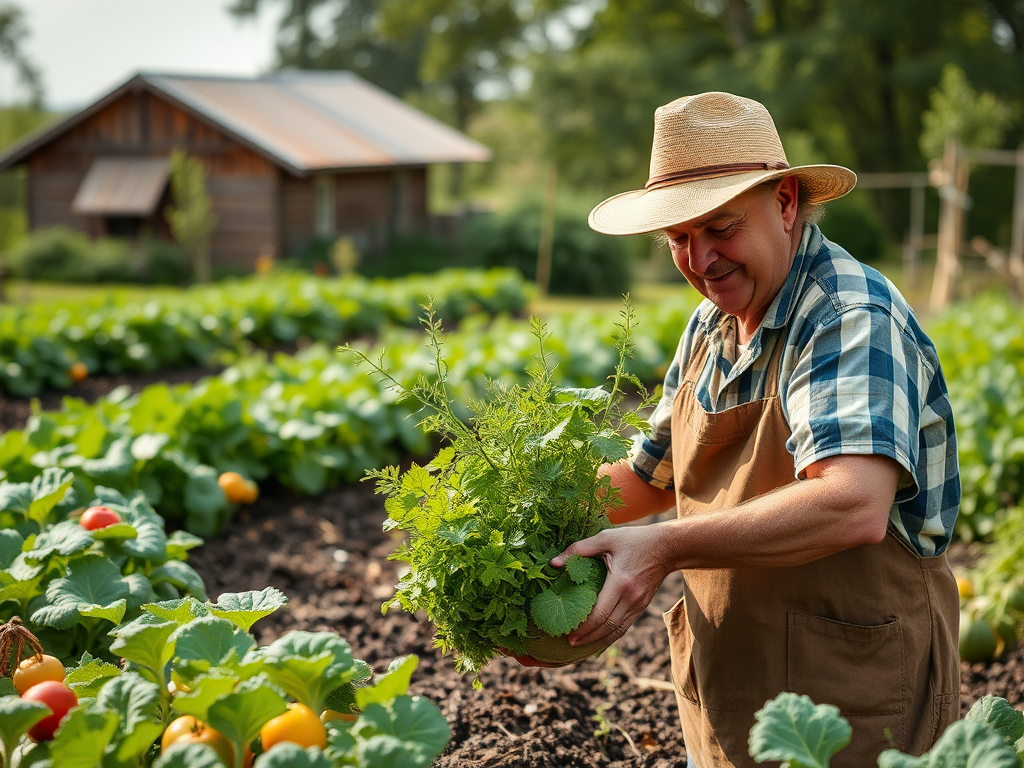
To increase your homestead's resilience, focus on implementing diverse agricultural practices, such as crop rotation and incorporating cover crops. These strategies not only enhance soil health but also reduce pest pressures and improve biodiversity. Additionally, adopting water conservation techniques like rainwater harvesting and drip irrigation can significantly optimize water usage, ensuring your crops remain productive even during dry spells. Avoid the common mistake of monocropping, which can lead to soil depletion and increased vulnerability to pests. By prioritizing these methods, you can create a more sustainable and adaptable homestead.
Crop Diversity and Rotation
Implementing crop diversity and rotation is crucial for increasing your homestead’s resilience. By growing different types of crops in succession, you can reduce pest outbreaks and soil nutrient depletion. This practice not only enhances biodiversity but also improves the overall health of your ecosystem.
For instance, rotating legumes with grains can replenish nitrogen in the soil, thus reducing the need for chemical fertilizers. Additionally, incorporating cover crops can prevent erosion and improve soil structure. A common mistake is planting the same crops in the same location year after year, which can lead to a build-up of pests and diseases.
Prioritize a diverse planting strategy that includes native plants, which are often better adapted to local conditions and more resilient to climate fluctuations. This approach not only supports a healthy ecosystem but also provides a more stable food supply.
Water Conservation Techniques
Water scarcity can significantly impact your homestead’s productivity. Implementing water conservation techniques is essential for resilience. Rainwater harvesting systems, for example, can collect and store rainwater for irrigation, reducing dependency on municipal water sources.
Another effective strategy is the use of drip irrigation, which delivers water directly to the roots of plants, minimizing waste. Mulching is also beneficial as it helps retain soil moisture and suppresses weed growth. A common misconception is that water conservation measures are only necessary in arid regions; however, all homesteaders can benefit from these practices.
Regularly assessing your water usage and implementing efficient systems can lead to significant savings and increased crop resilience against drought conditions.
Soil Health Management
Healthy soil is the foundation of a resilient homestead. Managing soil health involves practices such as composting, reduced tillage, and organic amendments. Composting not only recycles kitchen waste but also enriches the soil with essential nutrients.
Reduced tillage preserves soil structure and enhances microbial life, which is vital for nutrient cycling. Additionally, testing soil regularly can help determine the amendments needed to maintain optimal fertility. A frequent mistake is over-fertilizing, which can lead to nutrient runoff and harm local waterways.
By focusing on building healthy soil, you can improve crop yields and reduce vulnerability to pests and diseases, ultimately creating a more resilient homestead.
Utilizing Renewable Energy
Incorporating renewable energy sources such as solar panels or wind turbines can greatly enhance your homestead’s resilience. These systems provide a sustainable energy supply, reducing reliance on external sources and lowering energy costs.
For example, a solar array can power irrigation systems, greenhouses, and heating systems, allowing for greater self-sufficiency. It’s important to evaluate your energy needs and invest in a system that can meet those demands. A common pitfall is underestimating the initial investment required, which can discourage implementation.

However, the long-term savings and environmental benefits make renewable energy a wise choice for any homesteader looking to increase resilience.
Frequently Asked Questions
What are effective methods for increasing crop resilience?
Diverse planting, crop rotation, and integrating cover crops are effective methods to enhance crop resilience against pests and diseases.
How can I conserve water on my homestead?
Implementing rainwater harvesting, drip irrigation systems, and mulching can significantly conserve water and improve efficiency.
Why is soil health important for homesteading?
Healthy soil supports plant growth, improves crop yields, and enhances resilience against drought and pests, making it vital for successful homesteading.
What renewable energy options are best for homesteaders?
Solar panels and wind turbines are popular renewable energy options that can enhance self-sufficiency and reduce energy costs.
How can I improve biodiversity on my homestead?
Planting native species, creating habitats for wildlife, and rotating crops can improve biodiversity, enhancing ecosystem health and resilience.
Conclusion
To increase your homestead’s resilience, focus on implementing diverse agricultural practices, conserving water, managing soil health, and utilizing renewable energy. These strategies not only enhance productivity but also create a sustainable environment that can withstand climate challenges. Prioritize local biodiversity and effective resource management to ensure long-term success and self-sufficiency in your homesteading efforts.