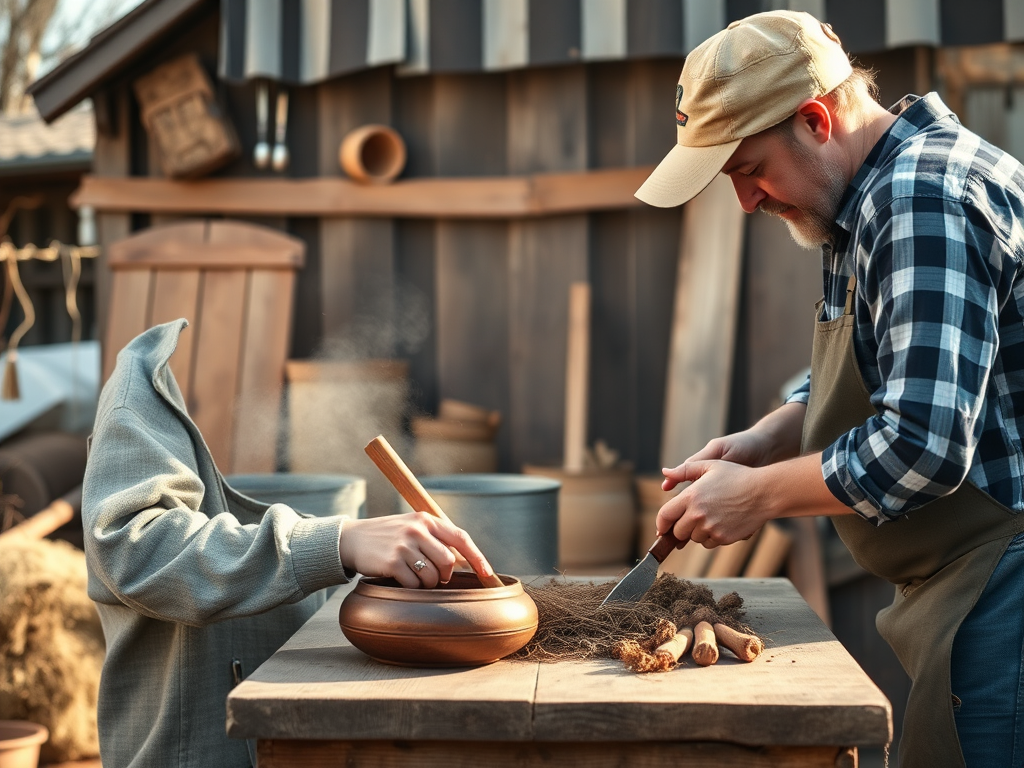
Integrating traditional skills into modern homesteading involves blending age-old practices such as gardening, preserving, and animal husbandry with contemporary tools and knowledge. This approach enriches self-sufficiency and sustainability, enabling homesteaders to produce their own food while minimizing reliance on industrial systems. Key methods include adapting heirloom gardening techniques to modern soil management, using traditional preservation methods like canning alongside modern food safety standards, and employing sustainable animal husbandry practices. Embracing these skills not only fosters resilience but also connects individuals to their heritage and local ecosystems.
Understanding Traditional Skills
Traditional skills encompass a range of practices that have been passed down through generations, focusing on self-sufficiency and sustainable living. These skills include gardening, livestock care, food preservation, and natural resource management. Understanding these skills is essential for modern homesteaders who aim to create a resilient and productive homestead. Traditional methods often emphasize local resources and seasonal cycles, which can be adapted to today’s context through modern techniques and tools.
For instance, heirloom gardening techniques can be blended with contemporary soil health practices to enhance crop yields. Homesteaders can research local varieties that thrive in their climate, ensuring a sustainable food source that also preserves biodiversity. By incorporating these traditional practices, homesteaders can better appreciate their cultural heritage while enhancing their self-sufficiency.
Benefits of Integrating Traditional Skills
Integrating traditional skills into modern homesteading offers numerous benefits, including increased self-sufficiency, improved sustainability, and a deeper connection to one’s environment. By utilizing age-old techniques, homesteaders can reduce their reliance on commercial products, thus lowering their carbon footprint. For example, growing heirloom varieties not only preserves genetic diversity but also promotes more resilient ecosystems.
Another significant advantage is the potential for cost savings. Traditional food preservation methods like canning and fermenting allow homesteaders to store seasonal produce, reducing waste and ensuring food availability year-round. Additionally, these practices often lead to healthier eating habits, as homegrown food is typically fresher and free from harmful additives found in processed items.
Practical Techniques for Modern Homesteaders
Modern homesteaders can adopt various practical techniques to integrate traditional skills into their practices. One effective method is to start a kitchen garden using heirloom seeds, which can be cultivated alongside modern pest management strategies. This approach not only enhances biodiversity but also supports local ecosystems.
Food preservation is another vital area where traditional skills can shine. Methods such as fermenting vegetables, making jams, and canning fruits can be adapted to include modern safety standards, ensuring that the food remains safe for consumption. Homesteaders should educate themselves on proper canning techniques, understanding the importance of acidity levels and sterilization to prevent spoilage.
Animal husbandry is yet another area ripe for integration. Traditional practices like rotational grazing can be combined with modern veterinary care to improve livestock health and productivity. By understanding the natural behaviors of animals, homesteaders can create more humane and efficient farming systems that benefit both the animals and the land.
Common Mistakes to Avoid
While integrating traditional skills into modern homesteading can be rewarding, it is essential to avoid common pitfalls. One frequent mistake is neglecting to research local conditions and resources. Each homestead is unique, and what works in one location may not be suitable for another. Homesteaders should take the time to understand their local climate, soil types, and available resources.
Another common error is underestimating the time and effort required to learn and implement traditional skills. Many homesteaders may initially find themselves overwhelmed by the breadth of knowledge needed. It is crucial to start small, mastering one skill at a time, and gradually expanding one’s capabilities.
Lastly, overlooking modern safety standards can lead to food safety issues. While traditional methods are valuable, they must be adapted to current knowledge regarding food preservation and animal care to ensure the health and safety of the homesteader and their family.

Frequently Asked Questions
What are some examples of traditional skills?
Examples of traditional skills include gardening, food preservation (like canning and fermenting), animal husbandry, and natural resource management.
How can I start integrating traditional skills into my homestead?
Begin by researching local heirloom plants, starting a small kitchen garden, and learning food preservation techniques like canning.
What are the benefits of using heirloom seeds?
Heirloom seeds promote biodiversity, often yield better flavor, and can be adapted to local growing conditions, enhancing sustainability.
What common mistakes should I avoid when using traditional methods?
Avoid neglecting local conditions, underestimating the time needed to learn new skills, and overlooking modern food safety standards.
How can traditional skills enhance my self-sufficiency?
By utilizing traditional skills, you can reduce reliance on commercial products, save money, and ensure access to fresh, healthy food year-round.
Conclusion
Integrating traditional skills into modern homesteading is a valuable pathway to greater self-sufficiency and sustainability. By understanding and applying these skills, homesteaders can create resilient systems that benefit both their families and the environment. Prioritize learning one skill at a time, ensuring a solid foundation before expanding your capabilities. Embrace the journey of homesteading as an opportunity to connect with your heritage while adapting to contemporary challenges.