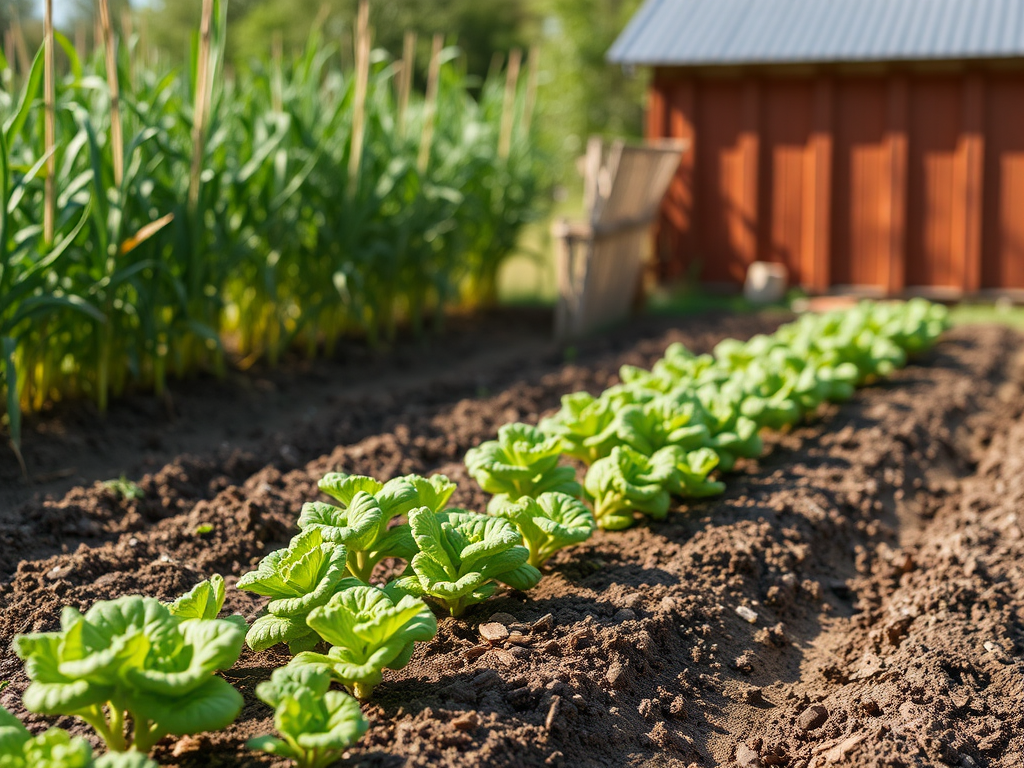
Homesteaders often fail at crop rotation strategies due to a lack of planning, misunderstanding of soil health, and failure to track crop performance. Effective crop rotation requires understanding plant families, timing for planting and harvesting, and the benefits of nutrient cycling. Without a clear strategy, homesteaders may plant the same crops in the same areas repeatedly, leading to depleted soil and increased pest issues.
Understanding Crop Rotation
Crop rotation is a fundamental agricultural practice that involves alternating the types of crops grown in a specific area across seasons. This method is essential for maintaining soil health, optimizing nutrient use, and preventing pest and disease buildup. Understanding the principles of crop rotation is crucial for homesteaders aiming to enhance their yields and ensure sustainable farming practices. By rotating crops, you can break pest and disease cycles, improve soil structure, and promote biodiversity.
Different crops have varying nutrient requirements and growth habits, which means that rotating them can help balance the nutrients in the soil. For instance, legumes can fix nitrogen in the soil, benefiting subsequent crops that require more nitrogen. Conversely, heavy feeders like corn can deplete soil nutrients, making it imperative to follow them with crops that require fewer nutrients.
Common Mistakes in Crop Rotation
Despite its benefits, many homesteaders struggle with implementing effective crop rotation strategies. One major mistake is failing to plan ahead. Without a clear rotation schedule, homesteaders may unintentionally plant the same crops in the same spots year after year. This practice can lead to nutrient depletion, increased pest populations, and lower yields.
Another common error is misunderstanding the needs of different plants. For example, some homesteaders may rotate crops based solely on their growth cycles without considering the nutrient demands of each crop. This oversight can result in nutrient imbalances, as certain crops may not replenish the soil adequately after heavy feeders.
Additionally, many homesteaders overlook the importance of tracking their crop performance. Without monitoring the health of crops and the soil, it becomes challenging to make informed decisions about future rotations. It’s also crucial to consider the environmental conditions, such as soil type and climate, which can significantly impact crop success.
Effective Crop Rotation Strategies
To improve crop rotation effectiveness, homesteaders should develop a structured plan that incorporates various crops suited to their specific conditions. This plan should include a mix of deep-rooted and shallow-rooted plants, as well as a combination of heavy feeders, light feeders, and soil-enriching legumes.
A practical approach is to use the four-year rotation model, which includes a sequence of legumes, followed by leafy greens, root vegetables, and To wrap up, fruiting crops. This method helps to maintain soil fertility and reduce pest pressures. For instance, following legumes with leafy greens can replenish nitrogen levels, while root vegetables can help break up compacted soil.
Additionally, incorporating cover crops during the off-season can further enhance soil health. Cover crops prevent erosion, suppress weeds, and improve soil structure. They can also provide organic matter when tilled back into the soil, contributing to overall fertility.
Tracking and Adjusting Your Rotation Plan
Tracking your crop rotation is vital for long-term success. Keep detailed records of what crops are planted, their growth performance, and any pest or disease issues encountered. This information will help you refine your rotation plan over time, allowing you to identify which combinations yield the best results.
Adjusting your rotation plan based on performance is equally important. If certain crops consistently underperform in specific areas, consider experimenting with different varieties or altering your planting schedule. Soil testing can also provide valuable insights into nutrient levels, helping you to make informed decisions about amendments and crop selection.

In summary, engage with local agricultural extensions or homesteading communities for advice and shared experiences. Learning from others can provide new insights and techniques that can enhance your crop rotation strategy.
USDA Crop Rotation Guidelines
usda.gov
Official guidelines and recommendations for effective crop rotation practices.
University of California Agriculture and Natural Resources
ucanr.edu
Research and resources on crop rotation and soil health.
Rodale Institute
rodaleinstitute.org
Information on regenerative agriculture practices, including crop rotation.
ATTRA Sustainable Agriculture Program
attra.ncat.org
Resources for sustainable farming practices and crop rotation strategies.
National Sustainable Agriculture Coalition
sustainableagriculture.net
Advocacy and resources for sustainable farming, including crop management techniques.
Popular Questions
How can I create an effective Table of Contents for my homesteading guide?
To create an effective Table of Contents, start by listing all major topics and subtopics covered in your homesteading project. Organize them logically, ensuring each section flows naturally to the next. Use clear, descriptive headings that help readers quickly find the information they need.
What should be included in a Table of Contents for a homesteading article?
A comprehensive Table of Contents should include key areas such as gardening, livestock care, food preservation, sustainable practices, and DIY projects. Break down each section into specific topics to give readers a detailed overview of the content. This helps users navigate complex information efficiently.
How does a well-structured Table of Contents improve a homesteading resource?
A well-structured Table of Contents makes it easier for readers to locate specific information quickly, saving time and reducing frustration. It also provides a clear roadmap of the article's scope, encouraging readers to explore all sections. Proper organization enhances overall readability and user experience.