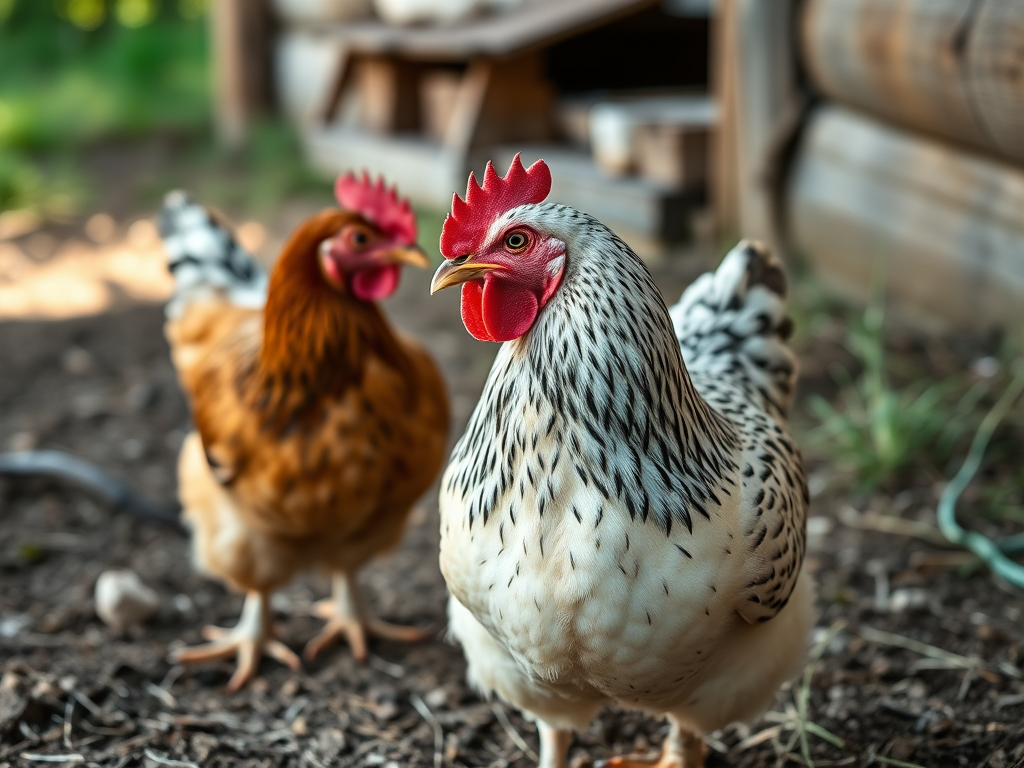
When your chickens stop laying eggs, the first step is to identify potential causes, such as stress, diet deficiencies, or environmental changes. Assess their living conditions, ensure they have a balanced diet rich in protein and calcium, and check for signs of illness or stress. Addressing these issues promptly helps restore egg production and maintain the health of your flock.
Understanding Common Causes for Reduced Egg Production
When chickens stop laying eggs, it can be a perplexing issue for any poultry keeper. Several factors can contribute to this decline in egg production, including stress, age, and seasonal changes. For instance, hens typically lay fewer eggs as they age, and younger hens may take time to start laying consistently. Understanding these factors helps you diagnose the underlying reasons for the drop in egg production.
Stress is a common culprit and can arise from various situations, such as overcrowding, changes in the flock dynamics, or even predator threats. Hens are sensitive creatures, and their laying patterns can be disrupted by environmental stressors. Additionally, seasonal changes can influence egg production; for instance, shorter daylight hours in winter can lead to less frequent laying.
It’s essential to monitor your chickens closely for behavioral changes that may indicate stress or discomfort. Regularly assess their environment and ensure they have space to roam, access to fresh water, and a comfortable coop. Addressing these issues promptly can significantly improve their egg-laying consistency.
Nutritional Needs of Laying Hens
A well-balanced diet is crucial for maintaining optimal egg production in hens. Laying hens require specific nutrients, including protein, calcium, and vitamins, to produce eggs efficiently. If your chickens are not receiving adequate nutrition, it can lead to a decrease in egg production.
Protein is vital for egg formation, and a deficiency can result in fewer eggs or eggs with weak shells. Aim to provide a diet that contains at least 16-18% protein, which can be sourced from high-quality layer feed, grains, or protein supplements like mealworms. Calcium is equally important, as it contributes to shell strength. Ensure that your hens have access to crushed oyster shells or other calcium sources to support egg production.
It’s also important to consider the overall balance of their diet. A mix of grains, greens, and protein sources will help ensure that your hens receive all the necessary nutrients. Regularly evaluate their feed and adjust it as needed to maintain their health and productivity.
Environmental Factors Impacting Egg Laying
The environment in which your chickens live plays a significant role in their laying habits. Factors such as temperature, light, and bedding can affect their comfort and, consequently, their egg production. Hens thrive in environments that mimic their natural habitat.
Temperature extremes can be detrimental, as chickens are sensitive to both heat and cold. In hot weather, ensure they have access to shade and plenty of water, while in winter, provide adequate insulation in the coop. Additionally, the amount of daylight can influence egg production; hens need approximately 14-16 hours of light per day to maintain consistent laying. Using artificial lighting during shorter days can help stimulate laying.
Proper bedding is also essential. Clean, dry bedding helps prevent diseases and keeps the hens comfortable. Regular cleaning of the coop and ensuring adequate ventilation will contribute to a healthier environment, promoting better laying patterns.
Health Issues in Your Flock
Health problems can significantly impact egg production. Common issues include parasites, infections, and diseases that can affect the overall well-being of your hens. Regular health checks are crucial to identify any potential problems early.
Signs of illness can include changes in behavior, reduced feed intake, and physical symptoms such as lethargy or unusual droppings. If you notice these signs, consult with a veterinarian who specializes in poultry to diagnose and treat any health issues. Maintaining a vaccination schedule and monitoring for parasites can help protect your flock from common health threats.
Additionally, stress from health issues can lead to a drop in egg production. Addressing health concerns promptly not only benefits the individual hen but also the flock as a whole, ultimately restoring egg production levels.

Management Strategies to Encourage Laying
Implementing effective management strategies can help encourage your hens to resume laying. Start by creating a stress-free environment that prioritizes comfort and well-being. Providing ample space, clean water, and a balanced diet are foundational steps.
Consider establishing a routine that includes regular health checks, consistent feeding schedules, and controlled light exposure. If your hens are older, consider introducing younger layers to the flock to maintain a steady egg supply.
In addition, tracking egg production over time can help you identify patterns and make necessary adjustments. Keeping a journal of egg counts, feed changes, and environmental conditions can provide insights into what works best for your flock.
Frequently Asked Questions
What are the common reasons for chickens to stop laying eggs?
Common reasons include stress, nutritional deficiencies, health issues, and environmental changes, such as temperature and light variations.
How can I improve my chickens' diet to encourage egg laying?
Provide a balanced diet that includes high-quality layer feed with adequate protein and calcium, along with fresh greens and occasional protein supplements.
Does the season affect egg production in chickens?
Yes, chickens typically lay fewer eggs during the winter months due to shorter daylight hours. Implementing artificial lighting can help maintain production.
What health issues should I look for in my chickens?
Look for signs of illness such as lethargy, changes in appetite, unusual droppings, and signs of parasites or infections.
How can I create a stress-free environment for my chickens?
Ensure adequate space, clean living conditions, proper ventilation, and a consistent routine to minimize stress among your flock.
Conclusion
When your chickens stop laying eggs, it’s essential to assess the situation holistically. Identifying the underlying causes—whether they are environmental, nutritional, or health-related—is crucial for restoring egg production. Prioritize creating a comfortable and stress-free environment while ensuring your hens receive a balanced diet. Regular monitoring and adjustments based on their needs can lead to a healthy flock and consistent egg production.