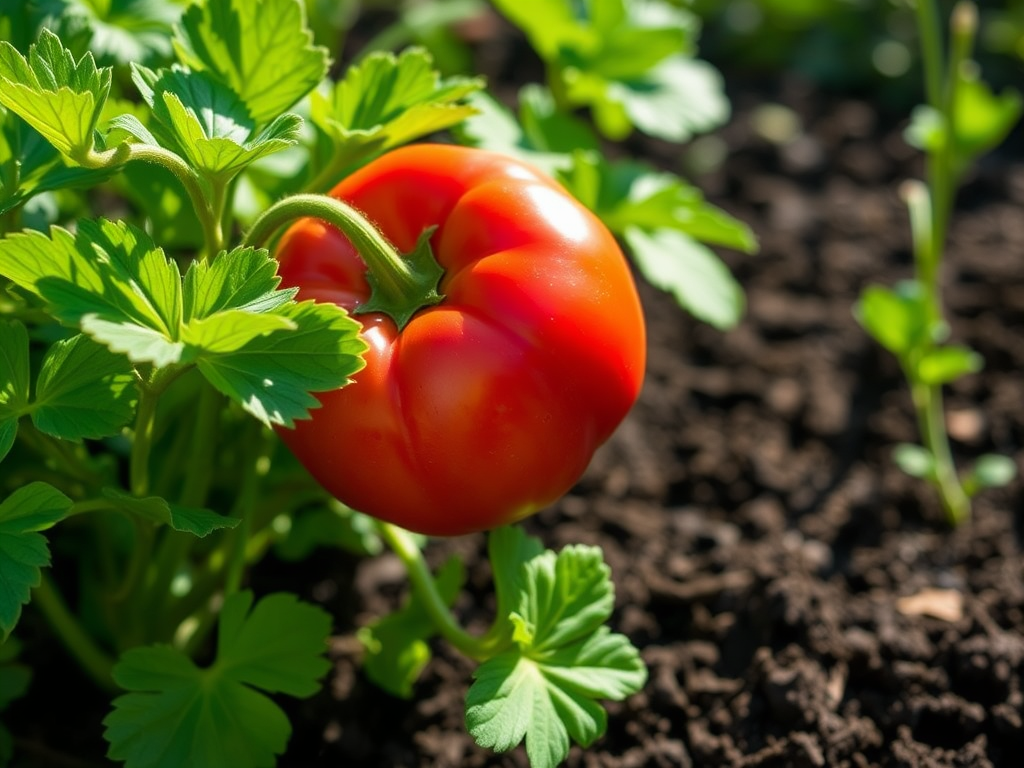
Common pitfalls in starting a vegetable garden include improper soil preparation, neglecting plant spacing, and failing to consider sunlight requirements. Many beginners overlook the importance of testing soil quality, which can lead to poor plant growth. Additionally, planting too closely can hinder growth and increase competition for nutrients. Ensuring adequate sunlight is essential for healthy vegetable plants; without it, yields can be severely affected.
Soil Preparation Mistakes
Soil preparation is a critical step in establishing a successful vegetable garden. Neglecting to test and amend the soil can lead to poor plant health and lower yields. Understanding soil pH, nutrient levels, and drainage capabilities is essential for healthy plant growth. For instance, a soil test can reveal deficiencies in nitrogen or potassium, which are key nutrients for vegetables.

Many beginners make the mistake of using soil straight from their yard without proper amendment. This can lead to compacted soil, which restricts root growth and water drainage. To avoid this, it’s advisable to mix in organic matter such as compost or well-rotted manure. This not only improves soil texture but also enriches it with essential nutrients.
In addition, some gardeners may not consider the importance of crop rotation. Planting the same vegetables in the same spot year after year can deplete specific nutrients and increase pest problems. Following a crop rotation plan helps maintain soil health and can lead to better harvests.
Plant Spacing Errors
Proper plant spacing is crucial for ensuring that each vegetable has enough room to grow and thrive. Many new gardeners underestimate the amount of space needed between plants, leading to overcrowding. This can result in poor air circulation and increased susceptibility to diseases.
For example, tomato plants require adequate space to develop and produce fruit effectively. If planted too closely, they may compete for nutrients and light, resulting in smaller yields. A general rule of thumb is to follow the spacing guidelines provided on seed packets or plant labels. These guidelines are based on the mature size of the plants and help ensure that each one has adequate access to resources.
Another common mistake is planting too early or too late in the season, which can affect spacing efficiency. Understanding your local climate and the specific needs of each vegetable can help you determine the best planting times.
Ignoring Sunlight Requirements
Sunlight is one of the most critical factors in vegetable gardening. Many beginners fail to assess the sunlight exposure of their chosen garden location, leading to poor plant growth. Most vegetables require at least six hours of direct sunlight daily to thrive.
For instance, leafy greens like lettuce can tolerate some shade, but fruiting plants like tomatoes and peppers need full sun to produce effectively. Conducting a sunlight assessment in your garden area before planting can help you determine the best locations for each type of vegetable.
Moreover, positioning taller crops in a way that they do not shade shorter ones can maximize sunlight exposure for all plants. This strategic planning can significantly enhance overall garden productivity.

Overwatering and Underwatering
Watering is an essential aspect of vegetable gardening, yet many beginners struggle to find the right balance. Overwatering can lead to root rot, while underwatering can stunt growth and cause plants to wilt. Understanding the water needs of each vegetable type is crucial.
For instance, root vegetables like carrots and potatoes prefer consistent moisture, while others like squash may require less frequent watering. A good practice is to check the soil moisture level before watering; if the top inch of soil is dry, it’s time to water. Using mulch can also help retain soil moisture and regulate temperature, preventing both over and underwatering issues.
Additionally, installing a drip irrigation system can provide a more controlled watering method, reducing the risk of overwatering while ensuring that plants receive adequate moisture.
Further Reading
Authoritative Sources
- USDA Natural Resources Conservation Service
nrcs.usda.govThis resource provides valuable information on soil health and preparation methods for effective gardening.
- University of Georgia Cooperative Extension
extension.uga.eduA detailed guide on vegetable gardening that covers common mistakes and best practices.
- Purdue University Extension
extension.purdue.eduInformation on watering practices and how to avoid overwatering and underwatering.
Further Reading
Authoritative Sources
- USDA National Institute of Food and Agriculture
nifa.usda.govResearch and extension resources related to agriculture, plants, soil, and food systems.
- Extension Foundation Gardening Resources
extension.orgUniversity extension education resources for practical gardening and home agriculture topics.
- USDA Natural Resources Conservation Service
nrcs.usda.govSoil, water, conservation, and land management resources for practical growing decisions.