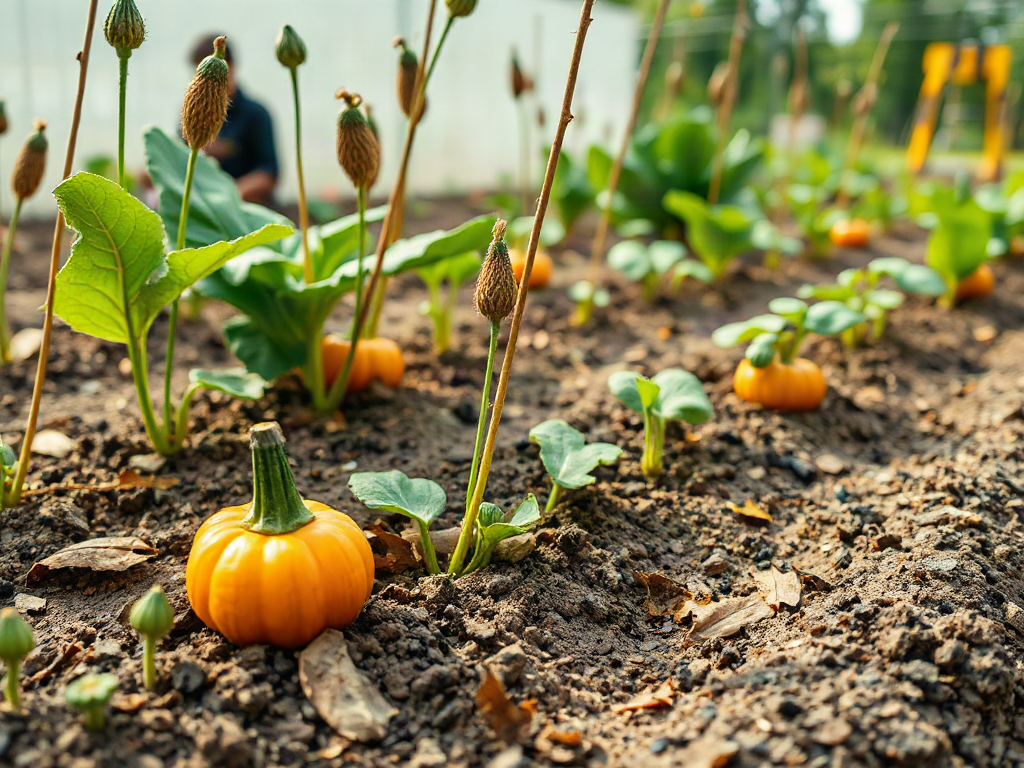
Fall planting decisions for a beginner homestead should be based on the first expected hard freeze, each crop’s days to maturity, available daylight, soil drainage, and the amount of cold protection you can reliably provide. Count backward from local frost dates, then add extra time because shortening autumn days slow growth. Prioritize dependable cool-season foods such as radishes, spinach, kale, garlic, and overwintering onions rather than filling every bed with marginal crops. Plant only what can mature before severe cold or survive winter in your climate, and reserve row covers or cold frames for a small area you can manage consistently.
Work Backward From Frost and Daylight
A fall sowing date is a deadline rather than a general season. The useful date depends on when damaging cold normally reaches the property, whether the crop tolerates frost, and how quickly plants grow as days shorten. A seed packet may list 40 days to maturity, but that number usually reflects favorable growing conditions. A radish sown in warm late-summer soil may finish near its stated schedule, while spinach planted several weeks later can slow sharply as light levels fall.
Begin with the average first-frost date for the nearest location, then compare it with the homestead’s actual setting. A low pocket where cold air settles may freeze before a nearby town. A south-facing bed beside masonry may remain warmer. Elevation, tree cover, wind exposure, and distance from large bodies of water can all shift conditions. Average dates are planning references, not promises, so keep notes on the first light frost, first hard freeze, and winter minimum observed on the property.
Next, separate light frost from sustained freezing. Kale, spinach, mâche, and established leeks can tolerate more cold than beans, basil, cucumbers, or squash. A brief surface frost may only damage tender leaves, while frozen soil ends root growth and can make harvest difficult. Beginners often treat the first predicted frost as the end of every crop or assume frost-tolerant means winter-proof. Neither assumption is reliable. Plant age, moisture, wind, cultivar, and the speed of temperature change affect survival.
For crops intended to mature in autumn, count backward from the expected first hard freeze using the days-to-maturity figure, then add roughly two or more weeks as a practical buffer for slower growth. More buffer is sensible in cloudy northern locations; less may be workable in mild climates with long autumns. The calculation determines whether direct sowing is realistic. If the window is short, transplants of kale or lettuce may be more useful than seed, while quick radishes can still be direct-sown.
Check the result against current soil temperature and irrigation capacity. Seeds need enough warmth and moisture to germinate even when the mature plants prefer cool air. Hot, dry late-summer soil may delay lettuce and spinach, while prolonged autumn rain can rot seed in compacted ground. The sound Fall planting decisions for a beginner homestead begin with a calendar calculation, but they are confirmed in the bed itself.
Choose Between Autumn Harvests and Overwintered Crops
Every fall planting should have a declared purpose: harvest before winter, hold in the ground during cold weather, or establish roots for spring growth. Mixing those goals without labeling rows makes planting dates confusing. A quick salad crop needs enough autumn growth to reach eating size. Garlic, by contrast, should root before winter without producing excessive tender top growth. Spinach may serve either purpose depending on planting date and climate.
Fast autumn crops are the simplest starting point. Radishes, baby turnips, arugula, mustard greens, leaf lettuce, and young spinach can provide useful harvests without occupying a bed for the entire winter. Choose varieties with short maturity periods and use succession sowing only while enough growing time remains. Sowing the same seed every week after the useful window has closed does not extend the harvest; it creates several rows that stall at once.
Cold-tolerant vegetables such as kale, collards, leeks, carrots, and mature spinach may remain usable after light freezes. Their performance still varies by cultivar and local winter severity. Carrots can be held under a deep mulch where soil does not freeze solid, but mulch also creates shelter for rodents and can make wet soil colder and messier to work. Harvesting and storing the roots may be the safer option where winters alternate between thawing and hard freezes.
Overwintered plantings require a longer view. Garlic is commonly planted after the weather cools so cloves form roots before deep cold, then resume growth in spring. The exact date varies widely by region. Planting too early may encourage substantial shoots; planting too late may leave little time for rooting. Multiplier onions and certain onion cultivars can overwinter in suitable zones, but an onion sold for spring planting should not automatically be treated as a fall crop.
Cover crops belong in the decision as well. A bed that cannot produce a dependable food crop before winter may be more valuable under winter rye, oats, field peas, or another locally suitable cover. Oats are often winter-killed in colder regions, leaving residue that is easier to manage in spring. Winter rye survives severe cold but can become difficult to terminate if allowed to grow too long. A beginner with only hand tools should not seed a vigorous cover over more ground than can be cut and incorporated or used as surface residue.
A realistic first-year mix is one bed of quick greens and roots, one modest garlic area, and a cover crop on unused ground. That comparison tests three different systems without putting the entire food plan at risk.
Match the Crop List to Soil, Water, and Protection
Autumn beds need drainage more than aggressive feeding. Cool, saturated soil contains less air and slows root activity, which makes overwatering and compaction more damaging. Before sowing, loosen only the soil that can be worked without smearing or forming hard clods. Add finished compost if the bed needs organic matter, but avoid burying large amounts of unfinished material that can tie up nitrogen or create uneven settling.
Seed depth matters when surface conditions swing between late-summer heat and autumn rain. Small lettuce, spinach, and carrot seeds can fail if planted too deeply or allowed to dry during germination. A fine, firm seedbed keeps them in contact with moist soil. Larger garlic cloves need enough depth to remain stable and protected, with the pointed end upward. Correcting poor seed placement is usually more productive than applying extra fertilizer after emergence becomes patchy.
Water should be planned before seed goes in. A bed near the house may receive regular attention, while a distant plot can dry unnoticed during a warm week. Irrigate gently enough to avoid washing shallow seeds into clusters. Once weather becomes cool and damp, reduce watering rather than following a summer schedule. Persistent yellowing, soft growth, algae on the surface, or soil that remains glossy and sticky can indicate excess moisture. Wilting seedlings and a dry crust beneath the surface point in the opposite direction.
Cold protection changes the usable season, but it does not restore summer growth rates. Lightweight row cover can soften wind, exclude some pests, and provide limited frost protection. Low tunnels with heavier fabric or plastic retain more warmth, although plastic requires ventilation on sunny days. Leaves touching frozen plastic can be injured, and a sealed tunnel may overheat even when the outdoor air feels cool. Secure all covers against wind and inspect them after storms.

A beginner should protect one small, accessible bed before building a large system. Covering 30 square feet well is usually more useful than loosely covering several long rows that cannot be vented, watered, or repaired promptly. Choose crops that already tolerate cool conditions; do not use a tunnel to keep basil or bush beans alive indefinitely. Protection works best as a buffer for suitable vegetables, not as a substitute for crop-climate matching.
Pest pressure also changes in autumn rather than disappearing. Slugs thrive beneath damp mulch and covers, caterpillars can damage brassicas, and rodents may find protected beds attractive. Inspect leaf undersides, crowns, and soil edges at least weekly. Healthy fall growth looks compact, evenly colored, and firmly rooted. Repeated gaps, chewed crowns, water-soaked stems, or seedlings that stop enlarging signal that the bed needs diagnosis before it needs more seed.
Use a Small-Bed Planting Checklist
A constrained trial produces better information than a crowded first attempt. Select the beds with the best drainage, easiest water access, and at least several hours of direct light. Then assign each bed a single main job. Clear labels should include crop, variety, sowing date, expected maturity, and whether the row is meant for autumn harvest or overwintering.
Use this compact check before buying or opening seed:
- Confirm the local window: Record the average first frost and first hard freeze, then adjust for the property’s slope, exposure, and observed cold pockets.
- Classify each crop: Mark it as tender, frost-tolerant, or intended to overwinter. Remove warm-season vegetables from the fall seed list unless a heated structure is available.
- Calculate the deadline: Count backward from the limiting cold date and add a slowdown buffer to the packet’s maturity time.
- Inspect the bed: Check drainage, moisture, compaction, sunlight, and signs of slugs or rodents before sowing.
- Limit protection: Reserve row cover or a low tunnel for an area that can be secured, ventilated, and checked regularly.
- Prepare a fallback: Convert missed food-crop windows to mulch or an appropriate cover crop instead of forcing a late sowing.
Budget decisions should follow the same discipline. Seed, labels, hoops, cover fabric, compost, and irrigation fittings add up quickly. Spend first on durable materials that address a known constraint. If wind is the recurring problem, strong anchors matter more than another packet of seed. If the garden sits in heavy clay, shaping a raised planting surface and protecting paths from compaction may outperform an elaborate tunnel.
Record outcomes by row rather than relying on memory. Note germination, weather events, pest injury, cover use, and actual harvest dates. A spinach variety that germinates unevenly in August heat may succeed when sown later, while that later sowing may not size up before the darkest part of winter. Such observations turn Fall planting decisions for a beginner homestead into a property-specific calendar over several seasons.
Stop investing in a row when the remaining season cannot support its goal. Seedlings that are healthy but barely growing may be held for early spring under protection, but diseased, waterlogged, or repeatedly eaten plants should be removed. Empty ground can be covered with clean mulch to reduce erosion and surface crusting. The useful measure of a first fall is not maximum bed occupancy; it is whether the plantings produce food, protect the ground, or teach a repeatable lesson.
Frequently Asked Questions
What are the easiest vegetables to plant in fall?
Radishes, arugula, mustard greens, leaf lettuce, spinach, and baby turnips are approachable where enough frost-free growing time remains. Garlic is also beginner-friendly, but it is planted for the following year rather than a quick autumn harvest.
How late is too late to sow fall vegetables?
It is too late when the crop cannot germinate and reach the desired size before growth becomes minimal or damaging cold arrives. Count backward from the expected hard freeze, using the maturity period plus extra time for shortening days.
Should fall seeds be started indoors?
Root crops are generally better direct-sown. Lettuce, kale, collards, and similar leafy crops may be transplanted when the outdoor window is short, provided seedlings are hardened off and protected from heat during establishment.
Do fall garden beds need fertilizer?
Not automatically. Base amendments on soil condition and previous crop performance. Finished compost may improve a depleted bed, but excess nitrogen can produce soft growth, while unfinished organic matter may interfere with nutrient availability.
Is a cold frame necessary for a first fall garden?
No. Cold-tolerant crops can succeed without one when planted early enough. Row cover is a simpler first step; a cold frame becomes useful when the gardener can monitor temperature, ventilation, moisture, and snow load.
Conclusion
A productive first autumn begins with fewer, better-defined commitments. Identify the property’s likely freeze window, give maturity estimates a daylight buffer, and decide whether each row is intended for immediate food, winter holding, spring growth, or ground protection. Quick roots and greens provide an accessible trial, while a modest garlic patch and manageable cover-crop area build experience for the next season.
Before sowing, inspect drainage, moisture, seed depth, pest pressure, and access to water. Protect only the area that can be checked and ventilated consistently. Label every planting and record what germinated, stalled, survived frost, and reached the kitchen. Those notes—not a generic regional calendar—will show which crops, dates, and protection methods deserve more space next fall.