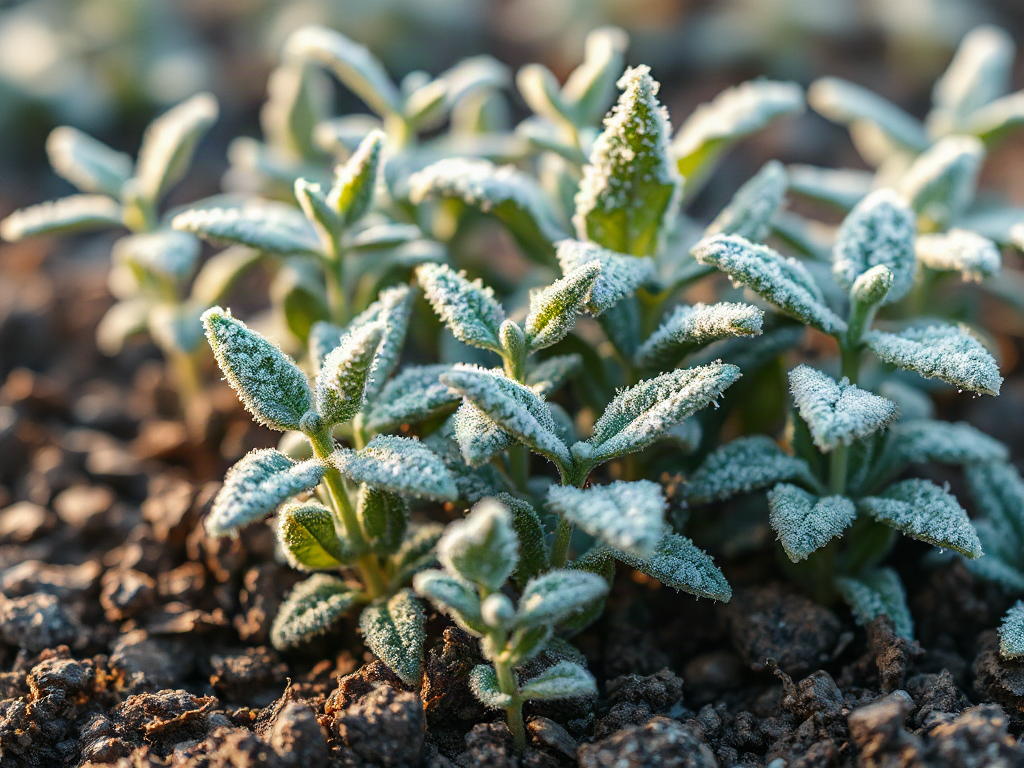
How to prevent frost damage to your plants begins with checking the forecast, watering dry soil before evening, and covering vulnerable plants before temperatures reach freezing. Frost forms when plant surfaces lose heat to a clear night sky, while wind, exposed locations, tender growth, and containers increase the risk. Use breathable fabric, sheets, or frost cloth supported above the foliage, secure the edges to the ground, and remove the cover after temperatures rise in the morning. Avoid plastic touching leaves, rely on mulch only for root protection, and move potted plants under shelter when practical. Crops differ in cold tolerance, so protect tender tomatoes, peppers, basil, and seedlings before established kale or dormant hardy perennials.
Read Frost Risk Before It Reaches the Garden
Frost damage occurs when plant tissue cools below its tolerance, causing ice crystals to form in or around cells. A forecasted air temperature near freezing deserves attention, but the number shown by a weather app is only a starting point. Cold air settles in low areas, wind can strip warmth from exposed beds, and a clear, calm night often produces colder plant surfaces than a cloudy night with the same official temperature.

Distinguish between a frost advisory situation and a hard freeze when deciding how much labor to invest. A brief dip around 32°F may injure basil, peppers, tomatoes, squash, and young annual flowers while leaving established chard or parsley usable. A prolonged freeze below about 28°F can overwhelm a light sheet and may damage even plants that tolerate cool weather. Local conditions matter more than a universal cutoff: a raised bed beside a south-facing wall may stay several degrees warmer than a garden in an open field.
Inspect the garden in the afternoon rather than waiting until dusk. Note which plants are tender, which are in containers, and which have fresh transplant growth. Dry soil also changes the risk. Moist soil stores and releases more heat than powder-dry soil, so a plant in dry ground may suffer sooner during a short cold event. Water the root zone during the day if the soil is dry, but avoid leaving foliage wet as night approaches when disease pressure is a concern.
A useful evening decision sequence is simple:
- Check the expected low, duration, wind, cloud cover, and frost timing.
- Identify tender plants and newly transplanted specimens first.
- Water dry soil, gather covers, and arrange supports before sunset.
- Plan when covers will come off; sunlight can overheat plants beneath them.
The common mistake is treating the forecast minimum as a precise measurement for every bed. Thermometers placed at plant height can reveal colder pockets, especially near grass, open slopes, and low spots. For broader planting decisions, use the local frost dates as a planning aid, but let actual nighttime conditions and plant maturity determine whether protection is needed.
Match Protection to the Plant and Growing Site
Plant hardiness determines how much protection is worthwhile. Cool-season crops such as spinach, kale, scallions, and many mature root vegetables may tolerate a light frost, although tender leaves can still be marked. Warm-season crops have little reserve after a cold shock. Tomato and pepper transplants, basil, cucumbers, beans, and young squash should be treated as high-priority plants until nights remain reliably warm.
Growth stage matters as much as the crop name. A hardened-off cabbage seedling may handle a chilly night better than a lush greenhouse-grown plant moved directly outdoors. Recently transplanted roots have not yet occupied the surrounding soil, and disturbed plants can lose water more readily. Flowering fruit trees present another concern: flowers and newly set fruit may be harmed even when the woody tree survives. Covering a large tree is rarely practical, so site selection, delayed pruning, and local crop timing may matter more than emergency fabric.
Microclimate can reduce or increase the work. Plantings near masonry absorb daytime heat and release it after sunset; beds under a tree canopy may avoid some radiational cooling, though wind and falling moisture create other problems. A low tunnel gives seedlings a warmer, more stable environment than a loose sheet, while a greenhouse offers greater control but requires ventilation and temperature monitoring. Containers are especially vulnerable because their limited soil volume cools from all sides.
Choose the least complicated method that fits the exposure:
- Light frost: frost cloth, a breathable row cover, or a sheet held above foliage.
- Short cold snap: a supported cover plus soil moisture and wind protection.
- Extended freeze: move containers indoors or into an unheated sheltered space and use a more substantial structure for beds.
- Hardy crops: protect only vulnerable new growth rather than covering an entire mature planting unnecessarily.
Plastic is often misunderstood. It can block wind and retain heat when held above plants, but plastic touching wet leaves may transfer cold directly to tissue and create condensation. Breathable fabric is generally more forgiving for overnight use. The mistake to avoid is applying one protection method to every plant: a cover that saves lettuce may be inadequate for basil, while excessive covering can trap heat and humidity around crops that did not need it.
For more planning help, connect seasonal planting decisions with how to prevent frost damage to your plants as part of your broader garden calendar rather than treating frost protection as an isolated emergency.
Cover Plants Correctly for Overnight Protection
Correct installation matters more than buying the heaviest-looking material. A cover protects plants by trapping a layer of warmer air near the soil and reducing heat loss from foliage. It works best when the material reaches the ground on every side. An uncovered gap at the base allows cold air to flow through, while a cover pulled tightly over leaves can crush growth and conduct cold into the plant.
Use hoops, stakes, tomato cages, or other smooth supports to keep fabric above the canopy. Frost cloth is designed for this purpose, but an old sheet can work during a mild, short event if it is dry and securely anchored. Weigh the edges with boards, soil-filled bags, or clips that will not tear the fabric. Avoid sharp wire ends and heavy objects resting on stems. If wind is forecast, anchor the structure before dark; a cover that blows open provides little protection and may damage plants mechanically.
Plastic sheeting requires extra care. Stretch it over a frame so it does not touch leaves, and remove it promptly in the morning. Clear plastic can heat rapidly once the sun reaches it, even while the surrounding air remains cool. Black plastic mulch on the soil is not a substitute for an overhead cover because it warms the ground but does not shield exposed leaves, flowers, or growing points.
Consider the bed’s shape before choosing a material. A low tunnel is efficient for rows of lettuce or seedlings, whereas individual cages suit a few tomato plants. For a large patch, several overlapping pieces may work better than one oversized sheet because they are easier to secure and remove. Leave enough slack for plants to expand, but avoid loose fabric that can flap against tender stems.
One practical overnight routine is to inspect the underside of the cover shortly after installation. The fabric should be supported, the soil should be covered at the edges, and no foliage should press against plastic. In the morning, open or remove protection after the temperature rises above freezing and direct sun reaches the bed. Keeping plants covered all day can cause overheating, weak growth, and excess humidity. The failure mode is assuming that “covered” automatically means protected; gaps, contact with plastic, poor anchoring, and delayed removal can negate the effort.
A simple supply station near the garden saves time when a late forecast changes. Store clean sheets or frost cloth, clips, hoops, labels, and a thermometer together. This small preparation is more useful than improvising with tarps, bags, or damp blankets that may press on plants or block needed air exchange.
Protect Roots, Containers, and Spring Seedlings
Overhead covers protect leaves, but root-zone protection addresses a different pathway of cold injury. A layer of straw, shredded leaves, or other loose organic mulch slows temperature changes around roots. Apply it around the plant, leaving a small gap around the stem to reduce persistent moisture and rot risk. Mulch is most useful for shallow-rooted plants, perennial crops, and soil that may freeze and thaw repeatedly; it cannot keep tender foliage warm by itself.
Containers need priority because their roots are surrounded by a relatively small mass of soil. Move potted herbs, citrus, seedlings, and tropical ornamentals into a garage, shed, greenhouse, or enclosed porch when the forecast warrants it. The location should be protected from freezing air, but plants still need light and should not be placed beside a strong heat source. Watering should be moderate: saturated pots can become heavy and cold, while completely dry mix leaves roots more exposed.

For containers that cannot be moved, group them close together against a wall and wrap the pots with blankets, burlap, cardboard, or insulating material without sealing the foliage in wet fabric. Raise pots off cold concrete with boards or a plant stand. A pot sitting directly on frozen ground can lose heat faster than one insulated from the surface. The goal is to protect the root ball, not create an airtight package around the entire plant.
Seedlings require a gradual transition outdoors. Harden plants by increasing exposure to outdoor light and wind over several days, while bringing them in or covering them during cold nights. A plant that has only lived in a warm indoor environment may show damage at temperatures an established outdoor plant handles easily. Delaying transplanting by a few days is often less costly than recovering a tray of chilled seedlings.
Mulch and covers also involve tradeoffs. Thick wet material against stems can shelter slugs or encourage decay, and dense coverings over small seedlings may restrict ventilation. Avoid fertilizer immediately before a predicted frost; lush, soft growth is often more vulnerable than compact growth, and feeding cannot reverse cold injury. The common misconception is that extra mulch, extra water, or extra fabric always adds protection. Use each tool for its actual job: soil moisture moderates temperature, mulch insulates roots, and overhead fabric shields the plant canopy.
Gardeners building a resilient system can combine these methods with how to prevent frost damage to your plants through crop timing, sheltered bed placement, and a small supply of reusable materials.
Assess Damage and Prepare for the Next Cold Night
Wait until damaged tissue thaws before judging the plant. Frost-injured leaves may look water-soaked, limp, dark, or translucent at first and then turn brown over the following day. Do not prune immediately unless broken tissue creates a safety or disease concern. Living stems can still protect dormant buds, and premature cutting may remove tissue that helps the plant recover.
Check the growing point and stem rather than focusing only on the outer leaves. A tomato with blackened leaves but a green stem and intact central tip may produce new growth, while a plant with a collapsed stem near the soil line is less likely to recover. Tender annuals such as basil may be finished after a hard frost even if their roots remain alive. Hardy crops can look unattractive yet continue growing once warmer conditions return.
Recovery depends on weather after the event. Let damaged plants dry and receive normal light, but avoid forcing them with heavy fertilizer or aggressive pruning. Water when the root zone is genuinely dry, and inspect for split stems or tissue that remains wet and decaying. If new growth appears from the center or lower nodes, leave the plant in place. If the entire crown is soft and brown, replacing it may be more productive than waiting.
Record what happened while the details are fresh: the lowest temperature, wind, cover type, installation time, and which plants were injured. A bed that survived at 30°F under a sheet may need a different plan at 27°F with wind. Next season, plant tender crops in warmer microclimates, keep transplants smaller and hardened, and stage covers before the forecast becomes urgent. A compact priority list helps when time is limited:
- Move or cover containers and tender transplants first.
- Protect flowering plants and newly emerging growth next.
- Insulate roots where soil is dry, shallow, or exposed.
- Cover only after checking that fabric is supported and edges are sealed.
- Remove protection in the morning and inspect before deciding to prune.
Reliable frost planning does not mean preventing every cold injury. It means directing effort toward plants with the highest replacement cost or greatest vulnerability, using a method suited to the temperature and exposure, and learning from the actual conditions in your garden.
Frequently Asked Questions
Should I water plants before a frost?
Water dry soil during the day before the cold night. Moist soil can hold and release more heat than very dry soil, but avoid soaking foliage late in the evening.
Can a bedsheet protect plants from frost?
A dry bedsheet can protect plants during a light, short frost when it is supported above the foliage and secured to the ground. It is less reliable during a hard freeze or strong wind.
Is plastic better than frost cloth?
Plastic can provide useful protection when held above plants, but it should not touch leaves and must be removed or vented after sunrise. Frost cloth is usually easier to manage overnight.
When should frost covers be removed?
Remove or open covers after temperatures rise above freezing and morning sunlight reaches the plants. Leaving them sealed all day can cause overheating and excessive humidity.
Will mulch protect tomato leaves from frost?
Mulch mainly buffers soil and protects roots; it does not adequately shield tomato leaves, flowers, or growing tips. Use an overhead cover for the canopy.
Conclusion
Effective frost protection begins with prioritizing vulnerable plants, not covering every crop automatically. Check the forecast and your garden’s microclimates, water dry soil during daylight, and use breathable fabric supported above foliage with edges secured to the ground. Move containers whenever possible because their roots cool quickly, and use mulch for root insulation rather than as a substitute for canopy protection. After the cold night, wait for tissue to thaw before pruning and judge recovery by the stem and growing point. Record which methods worked at your site so the next frost requires less improvisation. A few reusable covers, supports, and a reliable thermometer can protect valuable transplants without turning every cold night into a major garden project.