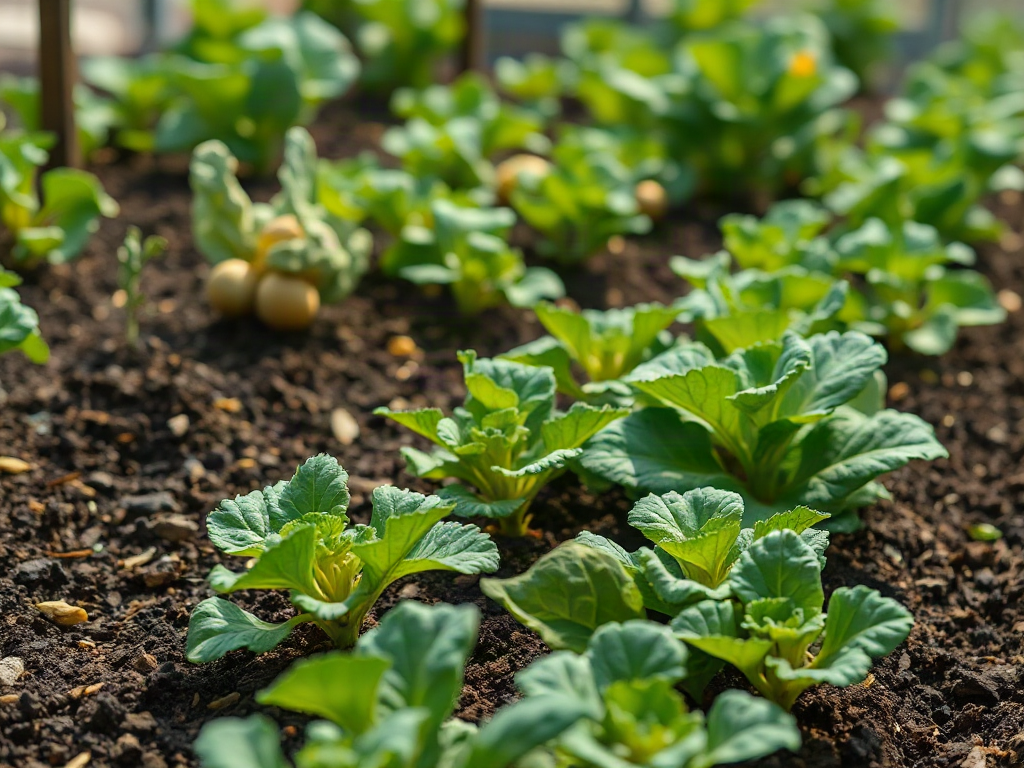
A Zone 10a planting guide for homestead crops should organize vegetables around mild winters, early spring warmth, intense summer heat, and the possibility of short cold snaps rather than relying on one fixed planting date. Cool-season crops such as lettuce, peas, carrots, and brassicas generally belong in the cooler months, while tomatoes, peppers, beans, okra, and sweet potatoes need warm soil and protection from peak heat. Use local frost records, soil temperature, shade placement, irrigation capacity, and days to maturity to set dates. Succession sowing, shade cloth, mulch, and heat-tolerant varieties are often more useful than planting everything at once.
How Zone 10a Changes the Homestead Growing Calendar
Zone 10a is generally associated with winter minimum temperatures around 30 to 35 degrees Fahrenheit, but a hardiness zone does not tell you when every crop should be planted. It describes winter cold exposure, not summer heat, local frost pockets, rainfall, humidity, soil drainage, or the timing of your growing season. A garden near the coast may behave differently from an inland garden in the same zone, and a low area can collect colder air than a nearby raised bed.
The most useful calendar has four working periods: a fall-to-winter window for cool-season crops, a late-winter transition, a spring warm-season window, and a summer period when heat-sensitive plants need protection or replacement. Some areas can grow vegetables nearly year-round, but continuous production does not mean every crop performs continuously. Lettuce may thrive in January and bolt in May, while okra may struggle in spring and become productive once the soil and nights are consistently warm.
Build dates from local observations rather than treating a printed calendar as a promise. Record the first and last damaging cold events, the date soil becomes workable, the arrival of extreme heat, and the weeks when irrigation demand rises. Compare those notes with seed-packet days to maturity. A crop listed at 60 days may take longer during cool weather and mature faster during heat, though excessive heat can stop flowering or make quality decline.
Before buying seed, map the homestead into full-sun, morning-sun, afternoon-shade, and wind-exposed areas. A bed that receives six hours of winter sun may receive harsher summer exposure because the sun angle changes. Link this planning with your Zone 10a planting guide for homestead crops notes so each season improves the next one.
Cool-Season Crops for the Mild Winter Window
Cool-season vegetables are often the foundation of a Zone 10a homestead because mild winter conditions can provide a productive alternative to the traditional northern winter shutdown. Leaf lettuce, spinach, arugula, kale, collards, broccoli, cabbage, radishes, turnips, carrots, beets, peas, onions, and cilantro can fit this period, although local humidity and disease pressure affect results.
Planting too early is a common mistake. Warm autumn soil can cause lettuce and spinach to germinate quickly, then seedlings may face heat before they establish. Brassica transplants may also suffer when placed into hot, dry beds. Starting seed in a cooler protected location and moving sturdy plants outdoors can improve establishment, while direct-sowing carrots and radishes avoids root disturbance. Use the expected weather for the next several weeks, not just the current afternoon temperature.
Cool-season crops usually need reliable moisture but dislike saturated soil. Raised beds or broad planting rows can improve drainage during rainy periods, while compost used in moderation can add organic matter without creating a soft, excessively rich bed. Mulch helps reduce temperature swings and slows evaporation, but keep it slightly away from plant stems to reduce persistent wetness and stem problems.
A useful comparison is spinach versus chard. Spinach may deliver excellent leaves during the cooler window but can bolt as days lengthen and temperatures rise. Chard is less dependent on cool conditions and can bridge more of the year, making it a better choice when the household needs dependable greens rather than a short peak harvest. Sow small amounts every couple of weeks instead of filling one bed at once. When the first planting becomes bitter, tough, or flower-bound, a younger planting can take its place.
For a winter bed, prioritize crops that are harvested repeatedly or stored easily. Kale, collards, carrots, and beets can provide extended use, while radishes offer fast feedback on germination and soil texture. Watch for stretched seedlings, pale growth, chewing damage, and standing water; these signs usually point to inadequate light, pest pressure, or drainage rather than a need for more fertilizer.
Warm-Season Crops and Summer Heat Management
Warm-season crops need more than a warm-looking forecast. Tomatoes, peppers, eggplant, cucumbers, beans, squash, melons, corn, okra, and sweet potatoes perform best when soil has warmed and nights are no longer persistently chilly. Tomatoes and peppers may grow in Zone 10a during much of the year, but very high heat can interfere with blossom set, reduce fruit quality, and increase water stress.
Spring is often the strongest warm-season opportunity. Set out transplants after cold conditions have passed, but give them time to establish before the most intense heat arrives. A tomato planted early enough may produce a useful crop before midsummer stress, whereas a late planting can remain leafy while flowers drop. Peppers and eggplant often appreciate a little more warmth than tomatoes, so placing them into cold soil can stall them for weeks.
Summer does not require abandoning the garden, but crop selection must change. Okra, southern peas, sweet potatoes, certain beans, and some cucumbers tolerate heat better than lettuce or English peas. Shade cloth may preserve leafy greens, but it will not turn a cool-season crop into a reliable midsummer crop. Morning sun with afternoon shade can extend the useful life of greens, while fruiting crops generally need stronger light to support flowering.
Use mulch before the bed dries out, not after plants are already wilted. Organic mulch moderates the root zone and reduces evaporation, while drip irrigation or soaker lines keep foliage drier than overhead watering. Watering deeply and checking moisture several inches below the surface is more informative than judging the top layer. Containers require more frequent attention because their limited soil volume heats and dries quickly.
Do not assume a heat-tolerant variety is heat-proof. A productive okra planting can still fail in compacted soil, and a cucumber can wilt despite wet soil if roots are damaged by poor drainage. When growth is weak, inspect the root zone, look for insects under leaves, and check whether irrigation is reaching the full bed. Correcting water distribution is often more useful than adding fertilizer.
Succession Planting, Water, and Crop Protection
Succession planting makes a Zone 10a garden more dependable by spreading risk across several sowings and harvest windows. Instead of planting all beans or squash on one weekend, sow a modest amount, wait for establishment, and follow with another planting when space and weather allow. This approach reduces the chance that one heat wave, pest outbreak, or storm removes the entire supply.
Plan succession by crop behavior. Radishes and baby greens can be replanted quickly, while tomatoes and sweet potatoes occupy space for much longer. When an early cucumber planting declines from disease or heat, remove it promptly rather than allowing a failing crop to consume water and shelter pests. A short gap between plantings can be worthwhile if the bed needs amendment, weed removal, or disease cleanup.
Water capacity should determine the size of the homestead garden. A large summer plot may look productive on paper but become unmanageable when evaporation rises and household demands compete for attention. Group crops with similar moisture needs, place thirsty plants close to irrigation access, and reserve the most protected beds for crops that cannot tolerate missed watering. Mulch, shade, wind protection, and morning irrigation can reduce stress, but none replaces a dependable water source.

Protection should match the actual threat. Fine insect netting can exclude some pests, but it may also limit pollinator access and trap heat if left in place carelessly. Shade cloth can protect tender greens during a heat spike, while row cover is more useful for temporary cold protection. Trellising cucumbers and beans improves airflow and harvest access, though exposed vines may need support against wind.
Keep a compact seasonal checklist:
- Confirm local cold history and current soil conditions before planting.
- Choose varieties by heat tolerance, maturity length, and intended use.
- Install irrigation before seedlings require frequent watering.
- Sow or transplant in batches rather than relying on one date.
- Remove diseased or exhausted plants before replanting the bed.
The most damaging assumption is that a long frost-free period removes the need for planning. In practice, Zone 10a rewards timing around heat as much as timing around cold.
A Practical Crop Schedule for a Productive Year
A useful annual schedule begins with the cool months, not with spring seed catalogs. During fall and winter, establish greens, roots, brassicas, peas, onions, and herbs while temperatures favor steady leaf and root development. Use these beds to test drainage, irrigation reach, and pest patterns before committing space to demanding summer crops.
As winter ends, begin the transition gradually. Harvest declining greens, clear diseased plant material, and start warm-season transplants in a protected location. Direct-sow beans, cucumbers, and squash when soil is warm enough for rapid emergence. A tomato transplant that is hardened gradually will usually handle the move better than one placed directly from a sheltered indoor setting into bright wind and heat.
During the hottest period, emphasize crops that can keep producing under stress and protect only the plants worth saving. Okra, southern peas, sweet potatoes, eggplant, peppers, and selected beans may justify summer bed space, while a household that values salad greens may prefer shaded containers or a smaller succession of greens. This is a resource decision: choose crops according to meals, preservation plans, water availability, and labor rather than an impressive crop list.
Late summer and early fall are preparation points for the next cool-season cycle. Start brassica transplants, sow roots as conditions moderate, and replant beds that have finished producing. Add compost based on soil test results or observed need, not as an automatic cure for every problem. Excess fertility can create lush growth without improving resilience, and weakly rooted plants remain vulnerable during heat and irregular watering.
For a homestead serving two different needs, divide production into dependable staples and experiments. Staples might include collards, carrots, beans, peppers, or sweet potatoes suited to household use. Experimental space can hold an unfamiliar variety or a crop with uncertain heat performance. Label each planting with date, variety, location, and outcome. That simple record reveals whether failure came from poor timing, unsuitable variety, pests, irrigation, or a site problem.
Use this article alongside your crop calendar records and seed-starting notes. The goal is not a perfect date; it is a repeatable system that produces useful harvests despite weather variation.
For local planting dates, soil temperatures, pest identification, and variety selection, consult your state university extension service, county master gardener program, and the USDA Plant Hardiness Zone Map. These sources can account for regional differences that a broad Zone 10a label cannot capture.
Frequently Asked Questions
Can vegetables grow year-round in Zone 10a?
Many vegetables can be grown across the year, but each crop still has a preferred temperature range. Use cool-season crops in winter and spring, then shift to heat-tolerant crops as summer temperatures rise.
When should tomatoes be planted in Zone 10a?
Plant tomatoes after local cold risk has passed and soil has warmed, while allowing enough time for fruit set before the most intense summer heat. A second planting may work when late-season temperatures moderate.
What crops tolerate Zone 10a summer heat?
Okra, sweet potatoes, southern peas, eggplant, peppers, and selected beans generally handle heat better than lettuce, peas, or many brassicas. Performance still depends on water, soil drainage, and variety.
How often should planting be staggered?
Fast crops such as radishes, greens, beans, and cucumbers can be sown in small batches every couple of weeks when conditions remain suitable. Longer-season crops need fewer plantings and more space between cycles.
Does Zone 10a mean frost protection is unnecessary?
No. Mild zones can still experience occasional damaging cold, especially in exposed or low-lying sites. Keep row cover or another temporary protection method available for tender transplants and sensitive crops.
Conclusion
Successful Zone 10a crop planning depends on using the mild winter, spring transition, and hot summer as distinct production windows. Put cool-season vegetables into the calendar before heat arrives, plant warm-season crops only when soil and nights support them, and select summer crops that match your water supply and household needs. Succession sowing reduces the risk of losing an entire harvest, while mulch, targeted shade, trellising, and reliable irrigation protect plants during stress. Record dates, varieties, failures, and harvest quality each season. Those local observations will eventually become more valuable than a generic calendar, helping you decide which crops deserve prime space and which should remain occasional experiments.