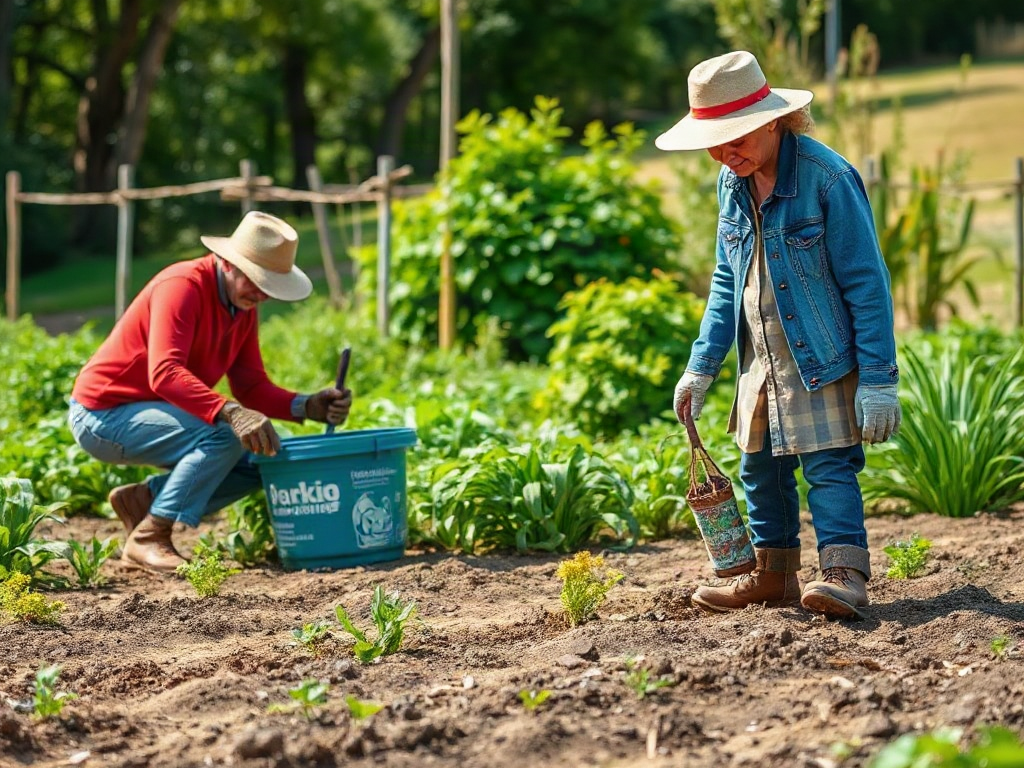
Tenant farming gives aspiring land stewards the right to operate land they do not own in exchange for cash rent, a share of production, labor, or another negotiated payment. A workable arrangement defines the fields and buildings included, permitted enterprises, maintenance duties, improvement ownership, payment schedule, and lease length. Before committing money, the tenant should test whether projected revenue can cover rent, inputs, insurance, equipment, and household needs under a poor season. Written renewal and exit terms are equally important because fencing, perennial plantings, soil amendments, and livestock infrastructure may outlast the tenancy.
How Tenant Farming Works
A tenant farmer operates property belonging to another person while retaining the responsibilities assigned by a lease. The arrangement may cover an entire working farm, one field, grazing acreage, a greenhouse, barns, or a defined combination of land and facilities. Ownership stays with the landlord; possession and operating rights pass to the tenant only for the uses and period stated in the agreement.
That distinction affects nearly every decision. A tenant may own livestock, harvested products, machinery, and movable equipment without owning the ground beneath them. Improvements attached to the property can be treated differently. A portable chicken shelter is readily removed, while a buried water line, permanent fence, or orchard may become part of the real estate unless the lease says otherwise. Verbal permission to build is not a reliable substitute for written terms covering approval, ownership, reimbursement, and removal.
Tenant farming also differs from farm employment. An employee performs work under an employer’s direction and receives wages. A tenant ordinarily runs an independent operation, assumes production risk, and pays for the right to use the property. A custom operator presents another contrast: that operator is paid to perform a defined task, such as baling hay, but does not necessarily possess or manage the land.
Consider a beginning vegetable grower leasing three acres with access to a well and packing shed. The rent may look affordable, yet the actual operating package depends on whether the grower may install irrigation, receive customers, store tools overnight, control weeds along boundaries, and enter the property early enough for spring planting. If those rights are uncertain, inexpensive acreage can become costly or unusable.
Land access should therefore be evaluated as a bundle of specific rights rather than a simple price per acre. Identify who may enter, what may be produced, which resources are included, and what decisions require the owner’s consent. Readers seeking a broader starting point can use Tenant farming explained for aspiring land stewards to connect land-access questions with practical stewardship goals.
Choosing a Rent and Lease Structure
The payment structure determines how financial risk is divided between tenant and owner. Cash rent sets a stated payment regardless of the season’s yield or selling price. It is easy to administer and gives the tenant control over marketing decisions, but the tenant carries most production and market risk. A drought, livestock loss, or failed market does not automatically reduce the amount due.
A crop-share or revenue-share arrangement ties the owner’s return to production or sales. That may reduce the tenant’s fixed obligation during a weak season, but it requires precise definitions. The agreement should identify which products are shared, how expenses are allocated, when records are provided, and whether direct-market premiums belong entirely to the tenant or enter the calculation. Sharing gross revenue without accounting for unusually high harvest, packaging, or delivery costs can leave the operator doing extensive work for a thin margin.
Flexible rent combines a base payment with an adjustment linked to an agreed measure, such as yield or revenue. Work-trade arrangements may substitute maintenance, mowing, animal care, or building repairs for some rent. Work-trade is especially prone to disagreement when the parties do not set an hourly value, approval process, completion standard, and maximum credit.
Test any proposal against a conservative operating budget rather than an ideal harvest. Include rent, seed or livestock purchases, feed, fertility, fuel, hired services, insurance, utilities, market fees, repairs, and equipment transport. Then account for household withdrawals and a reserve for failures. A five-year orchard lease, for example, may still be financially unsound if the trees will not produce meaningful sales until late in the term.
A compact lease comparison should answer four questions:
- Payment: Is the obligation fixed, shared, flexible, or partly exchanged for documented work?
- Risk: Who absorbs poor yields, price declines, input increases, and infrastructure failures?
- Control: Who chooses enterprises, buyers, production practices, and spending?
- Records: What evidence supports rent adjustments or revenue sharing?
The cheapest quoted rent is not necessarily the lowest-cost option. Reliable water, secure storage, suitable access, and permission for the intended enterprise may justify a higher payment. Conversely, premium acreage is a poor choice when its carrying capacity, sales potential, or lease length cannot support the proposed operation.
Inspecting Land Before Signing
A pre-lease inspection should determine whether the property can support the intended enterprise without unplanned capital work. Walk the boundaries with the owner and compare visible occupation with parcel maps or other available records. Confirm the leased area, access route, parking, gates, shared lanes, and any places excluded from use. A field advertised by total acreage may contain wet ground, steep slopes, utility corridors, or brush that sharply reduces workable area.
Water deserves separate scrutiny. Identify the source, seasonal reliability, delivery capacity, pumping costs, freeze protection, and responsibility for repairs. Ask whether domestic and agricultural users share the same well. A functioning faucet beside a barn does not prove that enough water is available for peak irrigation or livestock demand. Where water rights, withdrawals, or permits are regulated, verify the applicable requirements with the relevant local or state authority rather than relying on assumptions.
Soil condition affects both immediate production and long-term investment. Review available soil maps, observe drainage after rain if possible, and obtain appropriate tests before planning fertility or liming expenses. Look for compaction, erosion, persistent weeds, debris, previous chemical storage, and areas used for dumping. A tenant planning certified organic production or another regulated claim should investigate land-use history and contact the relevant certifying or regulatory body before representing products under that label.
Buildings and fences require a condition record. Photograph roofs, doors, electrical panels, plumbing, stalls, cooler space, fencing, and existing damage with the owner’s knowledge. Determine which systems are functional, who may use them, and which repairs belong to each party. If livestock are proposed, assess containment rather than assuming an old fence remains serviceable. Shared barns also raise questions about feed storage, disease control, keys, electricity, and access by the owner’s animals or contractors.
Practical access can defeat an otherwise suitable property. Check whether delivery trucks can turn around, whether winter roads are maintained, and whether customers or employees are permitted. Zoning, business licensing, food handling, signs, events, farm stands, and on-site housing may be governed separately from the lease. The owner cannot necessarily authorize an activity prohibited by public rules.
Record unresolved issues and price their consequences before negotiating. Signs of a promising arrangement include clear boundaries, documented resource access, disclosed defects, and an owner willing to assign responsibilities in writing. Repeatedly changing descriptions, refusal to document included facilities, or pressure to invest before signing are reasons to pause.
Writing Terms That Protect the Operation
A useful farm lease converts expectations into obligations that can be checked. It should identify the parties, property, start and end dates, rent, deposit, payment timing, and permitted uses. Attach maps or photographs when a street address does not clearly describe the leased ground, buildings, storage areas, and access lanes.
Operating clauses should address the activities most likely to affect the land or neighbors. Examples include livestock type and numbers, manure handling, pesticide use, hunting, timber cutting, burning, visitors, events, subleasing, vehicle access, and storage of fuel or chemicals. Restrictions must be specific enough to follow. A broad instruction to use “good practices” gives little guidance when the parties later disagree about tillage, grazing pressure, or vegetation along a stream.
Maintenance terms need a dividing line between routine care and capital repair. The tenant might replace broken fence staples and clear ordinary drain blockages, while the owner remains responsible for a failed well casing or structural barn problem. A dollar threshold can help, but cost alone is not enough; the lease should also establish notice, emergency action, approval, and reimbursement procedures. A small leak can become major damage if neither party has authority to act promptly.
Insurance and liability should be discussed with qualified insurance professionals. The parties may need different forms of property, farm, product, vehicle, workers’ compensation, or general liability coverage depending on the operation. Requiring proof of coverage does not transfer every risk, and an owner’s policy should not be assumed to cover the tenant’s products, animals, equipment, workers, or customers.
A practical review sequence is:
- Write a plain-language list of the land, resources, activities, and improvements the enterprise requires.
- Compare that list with every lease clause and mark conflicts, omissions, and vague permissions.
- Attach the inspection record, map, inventory, and agreed condition photographs.
- Have appropriate legal, insurance, tax, and regulatory professionals review issues within their fields.
- Sign before taking possession, moving animals, planting, or purchasing property-specific materials.
Template leases can reveal common topics, but they are not automatically suitable for a particular jurisdiction or enterprise. Local rules may affect notice, termination, fixtures, environmental duties, and other rights. The strongest agreement is not the longest document; it is the one that accurately describes how this particular property and operation will function.
Planning Renewal, Improvements, and an Exit
Lease length should match the time required to recover enterprise-specific investments. Annual vegetables may fit a shorter term if the tenant uses movable irrigation and minimal permanent infrastructure. Perennial fruit, extensive fencing, soil rehabilitation, or a customer-facing farm site usually calls for greater tenure security. An automatic renewal clause can help, but only when it specifies notice deadlines, rent adjustments, and any conditions for renewal.
Improvement clauses should separate portable property from fixtures and land enhancements. For each proposed project, document the design, budget, approval, installer, maintenance duty, ownership, and treatment at termination. If a tenant installs a $6,000 wash station with the owner’s approval, the lease should not wait until move-out to decide whether it stays without payment, may be removed, or will be purchased according to an agreed formula.
Stewardship investments create a similar challenge. Cover crops, compost, rotational grazing infrastructure, erosion control, and invasive-plant removal may improve the property over time, while the tenant pays the immediate cost. Longer terms, cost sharing, staged reimbursement, or rent credits can align the parties’ interests. Yet the tenant should not assume every improvement increases value to the owner. A permanent livestock layout may interfere with the owner’s later plans, so approval remains necessary.
Exit language should cover ordinary expiration as well as early termination. Define notice periods, unpaid rent, serious breaches, casualty damage, loss of water, sale of the property, and inability to use a critical facility. State what happens to standing crops, stored feed, livestock, removable equipment, customer commitments, and approved improvements. Harvest rights can be especially important when termination occurs after planting but before maturity.
Keep dated records throughout the tenancy: payments, repair notices, permissions, soil tests, input applications, photographs, and improvement receipts. Documentation helps the parties monitor performance and gives future negotiations a factual basis. Communication is working when approvals arrive before seasonal deadlines, repairs follow the agreed process, and both parties can explain the renewal timeline. Unanswered maintenance notices, surprise access restrictions, disputed credits, or informal demands that contradict the lease signal a deteriorating arrangement.
Six to twelve months before expiration, review profitability, property condition, needed investments, and the owner’s plans. That review allows time to negotiate or locate replacement ground without making rushed planting or livestock decisions. The companion resource Tenant farming explained for aspiring land stewards can also serve as a prompt for revisiting payment, access, and improvement assumptions before renewal.
Frequently Asked Questions
Does a tenant farmer own the crops or livestock?
Usually, the tenant owns products and animals purchased or produced by the tenant, but the lease should state ownership clearly. Share arrangements, liens, fixtures, and local law may alter the result.
How long should a farm lease last?
The term should be long enough to recover planned investments. Annual production with portable equipment may suit a short lease, while orchards, major fencing, or soil restoration generally require stronger long-term security.
Is a verbal farm lease sufficient?
A verbal agreement leaves boundaries, repairs, improvements, and termination open to conflicting memories and may not satisfy local legal requirements. A written lease reviewed for the relevant jurisdiction is safer.
Who pays for repairs on rented farmland?
The lease should divide routine upkeep, emergency work, and capital repairs. It should also explain notice, approval, spending limits, and reimbursement rather than relying on a general promise to maintain the property.
Can a tenant be reimbursed for improving the land?
Reimbursement is possible when negotiated in advance. The agreement should identify approved work, proof of cost, ownership, depreciation or credit formulas, and what happens if the lease ends early.
Conclusion
Successful land tenure rests on matching a viable enterprise to a clearly defined property agreement. Price matters, but water reliability, access, usable acreage, buildings, permitted activities, and tenure length often determine whether the operation can function. Inspect the property, budget against a weak season, and document its condition before committing funds.
Put boundaries, payments, repairs, insurance expectations, improvements, renewal, and termination in writing. Permanent projects deserve special scrutiny because their useful life may extend beyond the lease. The next practical move is to prepare an enterprise requirements list, walk the property with the owner, and compare every requirement against the proposed terms. Before signing, obtain jurisdiction-specific help for legal, tax, insurance, or regulatory questions that the parties cannot settle through ordinary negotiation.