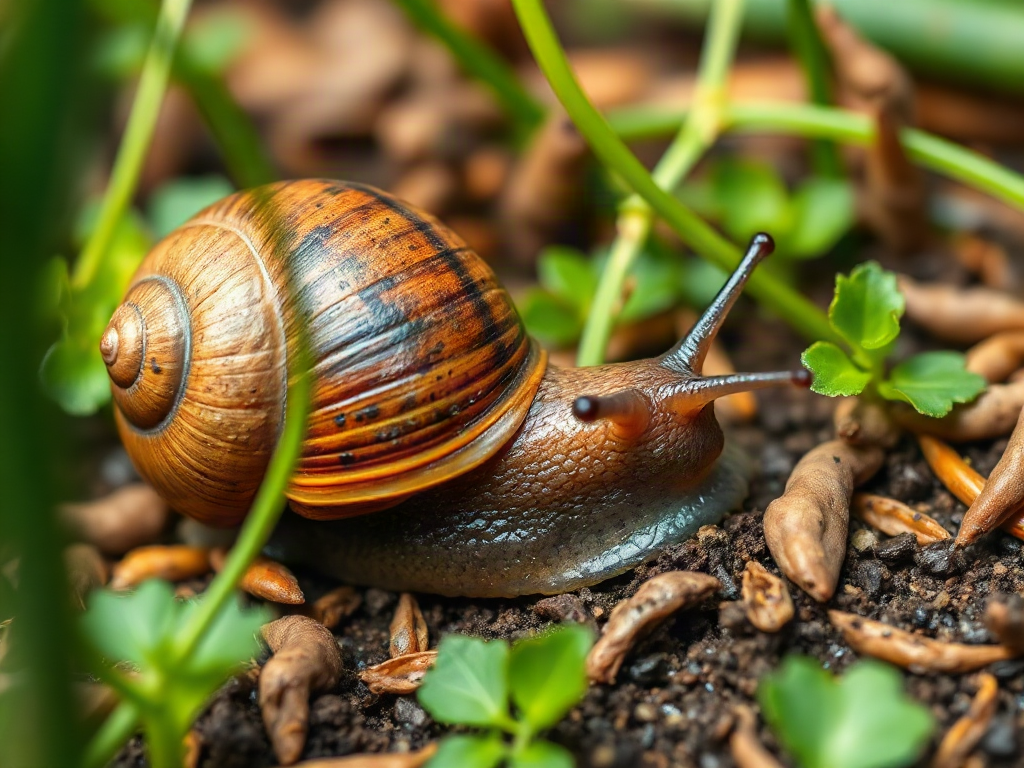
Snail farming can be feasible for beginner homesteads when the site offers shade, controlled moisture, secure housing, suitable feed, and a confirmed outlet for the harvest. A small trial enclosure is safer than buying breeding stock for a large pen because escapes, predators, heat, poor ventilation, and local sales restrictions can quickly undermine the project. Beginners should identify a legal, climate-appropriate edible species and calculate housing, water, feed, labor, and processing costs before committing. The strongest sign of feasibility is not rapid reproduction alone, but a healthy test colony paired with reliable buyers and manageable daily care.
Decide Whether Snails Fit Your Site and Routine
A workable snail site stays humid without becoming stagnant, offers protection from direct sun, and can be inspected frequently. Land area is rarely the first constraint for a beginner. Temperature swings, dry air, flooding, predators, and inconsistent attention matter more than the total acreage available.
Terrestrial snails lose moisture readily, so they generally become more active when their surroundings are damp and sheltered. That does not mean a wet, poorly drained pen is suitable. Saturated soil, decaying feed, and restricted airflow can create foul conditions and make it difficult to distinguish healthy inactivity from stress or mortality. A shaded location with drainage and convenient water access is usually easier to manage than an exposed corner that requires constant misting.
Climate determines how much environmental control the project needs. A mild, humid season may allow outdoor production in a protected enclosure. A region with hot summers, hard freezes, or persistent drought may require insulated housing, seasonal production, or an indoor space. Those additions raise costs and shift snail keeping from a low-input sideline toward a controlled livestock operation. A cool outbuilding may appear useful, for example, but it is unsuitable if pesticides, fuel vapors, or large daily temperature changes are present.
Daily work is modest only when the housing is designed well. A keeper still needs to inspect barriers, remove spoiled food, maintain moisture, observe shells and movement, and check for ants, rodents, beetles, birds, or other predators. Periodic work includes replacing or managing substrate, separating animals when crowding develops, and cleaning equipment without leaving harmful residues. Someone who travels frequently or cannot perform evening and early-morning checks may find another small livestock project easier.
Run a site test before acquiring animals. Place a thermometer and humidity meter in the proposed enclosure area, observe sun exposure through the day, and test how quickly damp substrate drains and dries. Record conditions for several weeks rather than relying on one favorable afternoon. The broader question of Snail farming feasibility for beginner homesteads is best answered with these local observations, not assumptions about the regional climate.
A promising site remains shaded, drains after watering, holds moderate moisture, and is easy to protect. Warning signs include standing water, repeated overheating, rapid overnight drying, pesticide drift, or predator access that cannot be blocked. The common mistake is treating humidity as the only requirement while overlooking ventilation and drainage.
Calculate Startup Costs and Realistic Returns
A credible budget separates the cost of producing healthy snails from the cost of selling a legal, usable product. Breeding stock may be a visible expense, but secure housing, water delivery, feed, substrate, recordkeeping, losses, packaging, and labor often have more influence on whether a small operation makes sense.
Begin with a pilot budget rather than a projected full-scale profit. Price a lidded, escape-resistant enclosure; food-safe watering or misting equipment; shelter materials; testing instruments; clean substrate; and protection against rodents and insects. Add recurring inputs such as supplemental feed, calcium sources appropriate to the species, water, replacement substrate, and packaging. If climate control is necessary, include energy use and backup plans for outages.
Snails may consume leafy plants and other suitable vegetation, but garden surplus is not automatically free feed. Produce treated with unsuitable pesticides, moldy scraps, salty prepared food, and decomposing material can introduce avoidable risks. Feed grown specifically for the colony occupies bed space, consumes water, and requires labor. A balanced budget assigns some value to those resources even when no cash changes hands.
Labor should be counted at the scale actually planned. Ten minutes of routine care can become much longer when animals must be sorted, enclosures cleaned, records updated, or orders prepared. Processing for human consumption introduces a separate set of food-handling questions and may require approved facilities or procedures. Do not assume a live-snail price and a ready-to-cook product price represent the same business model.
Use three sales estimates: no sales during the learning period, limited sales to a confirmed buyer, and the maximum volume that buyer has explicitly agreed to accept. The conservative case reveals whether the household is comfortable carrying the colony without immediate income. Reproduction does not create profit when the offspring have no buyer, outgrow the housing, or require more feed and sorting than expected.
- Fixed costs: enclosure, barriers, meters, shelter, and climate equipment.
- Recurring costs: feed, calcium provision, water, substrate, energy, and packaging.
- Risk costs: escape repairs, predator losses, weather disruption, and unsold stock.
- Compliance costs: permits, inspections, approved processing, or transport requirements where applicable.
A pilot is working financially when expenses and labor remain predictable, mortality stays low, and a real buyer accepts the product at a price that covers recurring costs. It is failing when the plan depends on unpaid labor, unlimited garden waste, perfect survival, or retail prices that have not been verified.
Build a Secure Beginner Trial Enclosure
A small, observable enclosure provides better information than a large pen built around untested assumptions. It limits losses, makes individual animals easier to monitor, and allows barriers, moisture, shelter, and feeding routines to be adjusted before the colony expands.
The enclosure must prevent escape while admitting air. Snails can climb walls and exploit narrow gaps, so a simple open-topped garden bed is not adequate. A fitted lid, fine ventilation openings, and barriers suited to the chosen species are more dependable. Materials should tolerate repeated dampness and cleaning without exposing animals to sharp edges, toxic coatings, or preservative-treated surfaces.
Inside the pen, create a gradient rather than one uniformly soaked environment. Provide damp substrate deep enough for species-appropriate behavior, shaded retreats, and a feeding surface that can be cleaned. Position water so it adds moisture without creating deep pools or permanently saturated corners. Shell condition and normal growth also depend on an appropriate calcium source, but the form and feeding program should match the species rather than relying on random household material.
Stocking density deserves restraint. A crowded colony can soil its housing quickly, compete for feed, and become difficult to inspect. Starting with fewer legally obtained animals gives the keeper time to recognize normal activity, resting behavior, egg laying, shell growth, and warning signs. Expanding immediately because eggs appear is a common failure: the enclosure can become overloaded before the first marketable group is ready.
A Practical Pilot Sequence
- Monitor the empty enclosure for temperature, moisture retention, drainage, and escape gaps.
- Add a small, traceable group only after species and possession rules are confirmed.
- Record feeding, misting, cleaning, activity, reproduction, deaths, and shell problems.
- Review capacity before retaining offspring or adding breeding animals.
- Expand only after the enclosure remains stable through the least favorable local weather.
Records turn vague impressions into useful decisions. If feed repeatedly molds, reduce excess food, improve removal routines, and assess ventilation rather than simply allowing the pen to dry completely. If animals cluster near one wall, check whether that area has a better temperature, moisture level, or shelter arrangement. Repeated attempts to escape may indicate a barrier defect or unsuitable enclosure conditions.
Keepers assessing Snail farming feasibility for beginner homesteads should treat the pilot as an animal-husbandry test, not a miniature profit center. Healthy shells, consistent activity under suitable conditions, manageable cleaning, controlled reproduction, and zero escapes are better early indicators than colony size alone.
Verify Species, Buyers, and Legal Requirements
Species identification and legal verification must happen before snails are purchased, collected, transported, or released into an enclosure. Rules may address invasive species, interstate or regional movement, agricultural pests, live-animal sales, food processing, and restaurant supply. Requirements differ by location and by the form in which the snails are sold.
Do not use common names as the sole identification method. Similar-looking snails may have different legal status, climate needs, growth patterns, or food value. Wild collection is especially risky because identity, pesticide exposure, parasite exposure, and ownership or collection permission may be uncertain. Stock should come from a lawful, traceable source that can provide the scientific name and relevant origin information.
Contact the agencies that oversee agriculture and food sales in the applicable jurisdiction. Ask specific questions: whether the species may be possessed and bred, whether a permit is needed, whether transport across a state or other boundary is allowed, and what rules govern sale as live animals or processed food. Written confirmation is more useful than informal comments from a seller or social media group. Local zoning, leases, or homeowners’ rules may add another layer even when agricultural authorities allow the species.
Market research should be equally specific. A restaurant that occasionally serves escargot is not automatically a buyer for locally raised live snails. It may purchase a processed product from an established distributor and may require dependable sizing, volume, packaging, insurance, or approved handling. Ethnic food markets, specialty distributors, direct consumers, and breeding-stock buyers can have different expectations and legal constraints.
Ask prospective buyers what species and product form they accept, how often they purchase, what quantity they can use, and what documentation or packaging they require. Avoid building a plan around novelty interest. A verbal expression of curiosity is weaker than a buyer who can describe specifications, ordering frequency, and a realistic price range.
Biosecurity extends beyond the sale. No farmed snail should be released outdoors because it is unwanted, overabundant, or unsuitable for the market. Housing needs a response plan for storm damage, accidental escape, disease concerns, and excess reproduction. If surplus animals cannot be lawfully sold or responsibly retained, expansion should stop.
The project is commercially weak when legal answers remain unclear, the species cannot be verified, or buyers expect a processed product the homestead cannot legally prepare. For a deeper planning review, revisit Snail farming feasibility for beginner homesteads after obtaining written agency guidance and concrete buyer requirements; those facts can change the decision more than enclosure refinements.
Frequently Asked Questions
How much space does a beginner snail farm need?
A small pilot enclosure can test husbandry without dedicating much land. Usable capacity depends on the species, ventilation, moisture control, shelter, and cleaning workload rather than area alone.
Can garden scraps provide all the feed?
Garden produce may supplement feeding when it is clean and suitable, but it should not be assumed to provide a complete or dependable ration. Avoid moldy, salty, contaminated, or pesticide-exposed material.
Do snails need a heated building?
Not in every climate. Outdoor seasonal housing may work where conditions suit the species, while freezing, extreme heat, or dry weather may make protected or temperature-managed space necessary.
How can a beginner find buyers for edible snails?
Contact restaurants, specialty food businesses, distributors, and direct-market customers before expanding. Confirm the accepted species, product form, volume, packaging, purchase frequency, and food-safety requirements.
Can wild snails be used as breeding stock?
Wild collection may create identification, legal, contamination, and health uncertainties. Lawfully sourced, traceable stock with a confirmed scientific name is a more defensible starting point.
Conclusion
A beginner should make the decision with a contained pilot, a written budget, reliable species identification, and direct answers from agricultural and food authorities. Site conditions must support humidity without waterlogging, while the enclosure must resist escapes, predators, crowding, and weather damage. Market demand should be confirmed in terms of species, product form, quantity, price, and handling expectations—not inferred from general interest in escargot.
The next step is to monitor a proposed site, price a secure test enclosure, contact the relevant agencies, and speak with potential buyers before acquiring stock. Proceed only if daily care fits the household routine and the project remains manageable without immediate sales. Expansion should follow stable husbandry records and a dependable outlet, not reproduction alone.