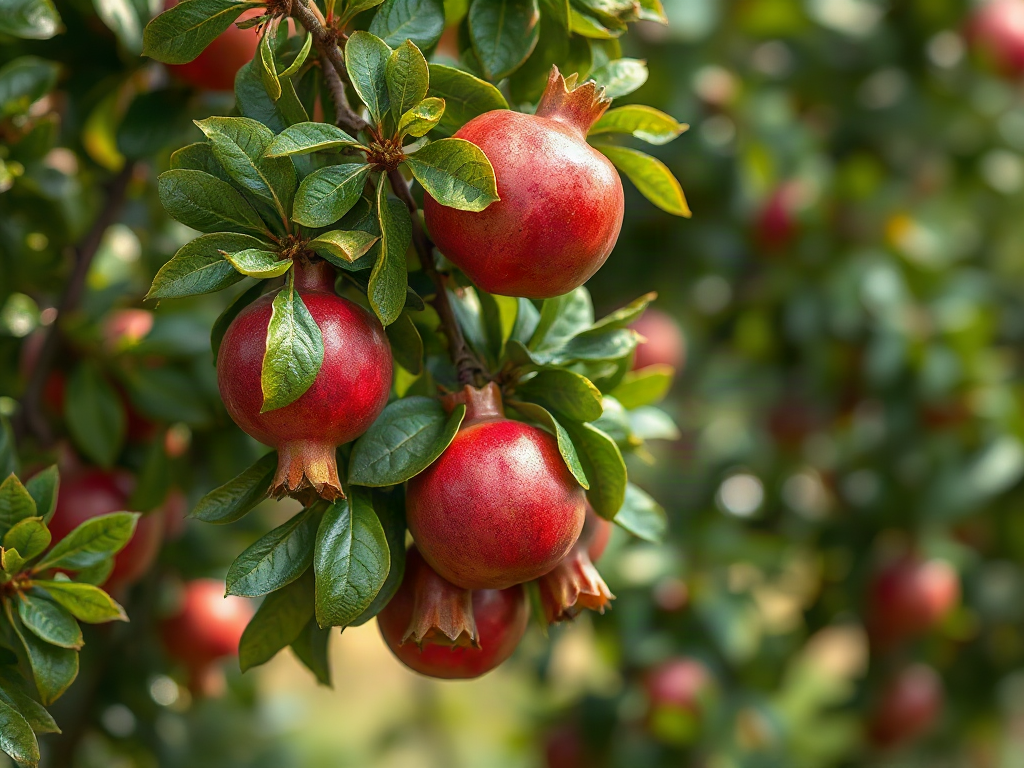
Pomegranate farming on warm homesteads requires full sun, well-drained soil, a locally adapted cultivar, measured irrigation, and enough seasonal heat to ripen fruit before cold weather. Choose a site that does not collect frost or irrigation runoff, and allow roughly 10 to 15 feet between permanent plants unless the cultivar or training system calls for different spacing. Deep watering is useful during establishment and fruit development, but persistently wet roots invite decline and irregular moisture can contribute to splitting. Train each plant as a shrub or small tree, remove unwanted suckers, and protect young growth where winter temperatures approach the cultivar’s tolerance.
Does Your Climate Fit Pomegranates?
Pomegranates perform most reliably where summers are hot, sunlight is abundant, and autumn remains warm enough for the fruit to finish coloring and developing flavor. A warm climate alone is not sufficient. The length of the growing season, winter lows, humidity, rainfall near harvest, and the property’s frost patterns all affect whether a planting produces sound fruit consistently.
Heat favors ripening, while cold can damage young shoots, flower buds, or entire stems depending on its severity, duration, and the cultivar involved. Dormant, established wood usually handles cold better than tender growth on a recently planted specimen. A low pocket beside a wall or at the bottom of a slope may become colder than a slightly elevated location on the same homestead because dense cold air settles there overnight.
Warm coastal and humid locations present a different constraint. Plants may grow vigorously, yet rain or prolonged moisture as fruit approaches maturity can increase cracking and decay pressure. Dry-summer homesteads have more control over moisture through irrigation, although abrupt watering after a dry spell can still be troublesome. The useful comparison is therefore not simply warm versus cool; it is a long, relatively stable ripening season versus one interrupted by frost, heavy rain, or large moisture swings.
Before buying plants, compare cultivar descriptions with local conditions rather than relying on a generic hardiness label. Early-ripening selections may be more dependable where autumn cools quickly. Later cultivars can use the longer season available in hotter inland districts. Local nurseries and regional extension material can indicate which selections have actually fruited in the area, but a nearby productive planting is even more revealing because it reflects local heat, winter exposure, and rainfall.
A common mistake is placing pomegranates in the warmest enclosed corner without considering winter temperature swings. A south- or west-facing wall can promote early growth that is vulnerable to a late cold event. Favor a sunny, protected position with good air movement and cold-air drainage rather than a site that merely feels hot in summer. Where suitability is uncertain, begin with one or two plants and observe winter injury and ripening before committing orchard space.
Which Site and Soil Work Best?
Full sun and rapid drainage deserve priority over exceptionally rich soil. Shade reduces flowering and can delay or weaken fruit maturation, while saturated soil deprives roots of oxygen. Select an area receiving direct sun for most of the day and verify that roof runoff, swales, or irrigation from neighboring beds will not keep the root zone wet.
Pomegranates tolerate a range of soil textures once established, but tolerance should not be confused with preference. Deep loam is easier to manage than dense clay because water and air move through it more predictably. Sandy ground drains readily but requires closer attention to irrigation and nutrient retention. Heavy soil can still work on a slope or raised planting area if excess water has a clear route away from the roots.
Test drainage before planting by examining the site after sustained rain or a normal irrigation cycle. Standing water, a sour odor, gray mottling below the surface, or soil that remains sticky for days signals a poor location. Adding a small pocket of amended soil inside a clay hole does not solve the problem; it can create a basin that holds water around the root ball. Broadly improving the surrounding area or choosing a higher site is more effective than building a rich planting pocket.
Allow for the mature form at the design stage. A multi-stem pomegranate occupies more width than a carefully trained single-trunk tree, and plants crowded beside paths become difficult to harvest. Approximately 10 to 15 feet between plants is a practical starting range for many homestead settings, but vigor, cultivar, pruning style, access, and intended use should determine the final spacing. A hedge can be closer, while individually managed trees need room for light penetration and work around the canopy.
Soil testing is most valuable when it prevents unnecessary correction. Use a reputable laboratory if salinity, extreme pH, or nutrient imbalance is suspected, and base amendments on the result. Heavy applications of manure or nitrogen at planting can push soft growth rather than balanced establishment. Compost used across the wider soil surface may improve structure, but it should not be packed against the trunk. Keep mulch several inches away from the stem so the crown remains visible and dry.
How Should You Plant and Irrigate?
Planting at the original root depth protects the crown and keeps the root system near oxygenated soil. Dig a hole wider than the root mass but no deeper, loosen circling container roots where feasible, and backfill primarily with the native soil. A buried trunk is vulnerable to moisture-related damage, while a root ball left well above grade can dry quickly unless the surrounding soil is shaped and mulched correctly.
Late winter or early spring is often convenient where severe freezing has passed, because roots can begin establishing before intense summer heat. In very mild climates, autumn planting may provide a longer root-development window, but it is a weaker choice where a young plant could face damaging winter cold. Container stock also needs gradual adjustment to exposed sun if it was held under nursery shade.
New plants need moisture through the entire root ball and adjacent soil, not frequent splashes at the trunk. Apply water slowly, then check beneath the surface to see how deeply it moved. The next irrigation should follow actual drying, weather, soil texture, and plant establishment rather than a fixed calendar. Sandy soil may require smaller, more frequent applications than clay, where excessive frequency can keep roots saturated even when the surface looks dry.
As roots spread, move emitters or widen the basin so water reaches beyond the original container footprint. Established pomegranates withstand some drought, but severe stress during flowering and fruit enlargement can reduce performance. The opposing error is flooding a dry plant when fruit is well developed. A rapid change in water availability may cause the arils to expand faster than the rind accommodates, contributing to splits. Rain can create the same sudden shift, so irrigation cannot prevent every cracked fruit.
Use the plant and soil as feedback. Firm new growth, leaves that remain functional through the day, and gradual canopy expansion suggest the root zone is being managed reasonably. Persistent wilt despite wet soil, yellowing accompanied by a soggy root zone, or dieback near the crown points toward drainage or root trouble rather than a need for more water. Dry soil several inches down, curled foliage during cooler morning hours, and stalled growth indicate that irrigation coverage or volume should be checked.
Drip irrigation usually offers better control than overhead watering because it targets the root zone and keeps the canopy drier. Inspect emitters regularly; a blocked line can leave one plant dry while the rest of the row appears normal. Mulch can moderate evaporation, but deep mulch against the stems hides suckers, retains crown moisture, and creates avoidable maintenance problems.
How Do You Manage Growth and Fruit?
Pomegranates naturally form suckering, multi-stem shrubs, so the training system should match the homestead’s labor and climate. A multi-trunk form is resilient where occasional cold kills exposed wood because replacement stems are already available. A single trunk creates easier access beneath the canopy and a familiar tree shape, but it demands frequent sucker removal and leaves fewer options if the main trunk is badly damaged.
Choose the framework while the plant is young. For a shrub, retain a small group of well-spaced, outward-growing stems and remove weak or congested shoots. For a tree, select a sturdy trunk, establish scaffold branches above the desired clearance, and eliminate competing basal growth. Do not remove so much foliage that establishment slows or exposed bark suddenly receives intense sun.
Annual pruning should preserve productive wood and light distribution rather than impose an ornamental shape. Pomegranates bear flowers and fruit on short shoots arising from older wood, so indiscriminate heading cuts can remove useful growth and stimulate a thicket of new shoots. Remove dead, crossing, damaged, and inward-growing branches first. Thin selectively, then stop before the canopy becomes overexposed.
Flower drop does not automatically indicate failure. Pomegranates produce flowers that differ in their capacity to set fruit, and some shedding is normal. Poor set may also reflect plant youth, stress, weather during bloom, or insufficient light. Applying extra fertilizer without identifying the cause can intensify leafy growth and make the canopy harder to manage. Base feeding on observed growth and soil information; a plant producing long, lush shoots may need less nitrogen, not more.
Fruit is ready according to cultivar-specific color, weight, rind character, and calendar, not softness. Pomegranates do not continue ripening like some fruits after picking, so premature harvest sacrifices flavor. Conversely, leaving ripe fruit through rain or large moisture fluctuations raises the chance of splitting and deterioration. Use pruning shears to clip fruit with a short stem rather than pulling it, which can damage the branch or rind.
Sanitation limits carryover problems. Remove mummified fruit, damaged material, and dense interior growth that interferes with inspection. Birds, rodents, and insects vary by location, so identify the actual damage before choosing exclusion, trapping, or other controls. A split caused by moisture does not call for the same response as a chewed rind or internal insect injury.
Pomegranate Establishment Checklist
A successful planting sequence resolves permanent constraints before temporary ones. Drainage, winter exposure, cultivar fit, and spacing are difficult to correct after roots and trunks are established. Fertility and pruning are more adjustable, so they should not distract from poor site selection.
- Map sun and frost: Observe summer shade, winter cold pockets, wind exposure, and where storm water collects.
- Confirm drainage: Check the soil after rain or irrigation and reject locations that remain saturated.
- Select the cultivar: Match ripening season and cold tolerance to local conditions, using nearby performance where possible.
- Choose the form: Decide between a multi-stem shrub, single-trunk tree, or managed hedge before setting spacing.
- Prepare irrigation: Ensure water can wet the root ball initially and a wider root zone as the plant matures.
- Plant at root depth: Keep the trunk flare and crown exposed, water thoroughly, and mulch without touching the stems.
- Monitor before correcting: Check soil moisture, emitters, shoot growth, and leaf condition before adding water or fertilizer.
For a small homestead orchard, planting two cultivars can spread harvest timing and provide a comparison under identical soil and management. Pomegranates are generally capable of bearing without a separate pollinizer, so a second plant is not automatically required for fruit. Its practical value lies in cultivar diversity, staggered ripening, and insurance against one selection performing poorly in the site’s specific conditions.
Keep first-year expectations conservative. The priority is a durable root system and useful branch framework, not a heavy crop on a small plant. Supporting too much fruit can bend young branches and divert resources from establishment. Record bloom dates, irrigation changes, cold damage, harvest dates, and cracking; those notes reveal whether the weak point is seasonal timing, water management, or cultivar choice.
The clearest signs of progress are increasing canopy volume, firm shoots, expanding root-zone water use, and fruit that reaches maturity before disruptive weather. Repeated stem death, chronically wet soil, severe late-season cracking, or fruit that never develops acceptable maturity indicate a structural problem. Adjusting irrigation may solve moisture swings, but it cannot compensate for a frost basin, short ripening season, or waterlogged subsoil.
Frequently Asked Questions
How much sun does a pomegranate need?
Give it direct sun for most of the day. Shade can reduce flowering, slow ripening, and produce a dense canopy with less productive interior wood.
Can pomegranates grow in clay soil?
They can grow in clay if water drains away and the crown does not remain saturated. A raised location is safer than an amended hole that traps water.
Do you need two pomegranate plants for fruit?
Usually not. Pomegranates can generally set fruit without a separate pollinizer, although growing two cultivars may diversify harvest dates and performance.
Why do pomegranates split before harvest?
Splitting is often associated with irregular moisture, rain after a dry period, cultivar tendencies, or delayed harvest. Consistent irrigation may reduce risk but cannot control rainfall.
Should a pomegranate be trained as a tree or shrub?
A shrub form offers replacement stems after cold injury, while a single-trunk tree provides cleaner access but requires more sucker control. Choose according to climate and maintenance capacity.
Conclusion
Site decisions determine whether pomegranate care remains manageable or becomes a recurring struggle. Verify that the planting area receives ample sunlight, drains after irrigation and rain, and avoids the homestead’s coldest pocket. Select a cultivar with a ripening schedule suited to the local autumn, then reserve enough room for its intended shrub or tree form.
After planting, focus on deep root-zone wetting without constant saturation, widening irrigation coverage as roots spread. Keep moisture reasonably consistent while fruit develops, prune selectively rather than shearing productive wood, and investigate poor growth before adding fertilizer. Start on a limited scale if winter tolerance or harvest timing is uncertain. A season-by-season record of cold injury, flowering, water use, splitting, and maturity will show whether management needs adjustment or the site requires a better-matched cultivar.