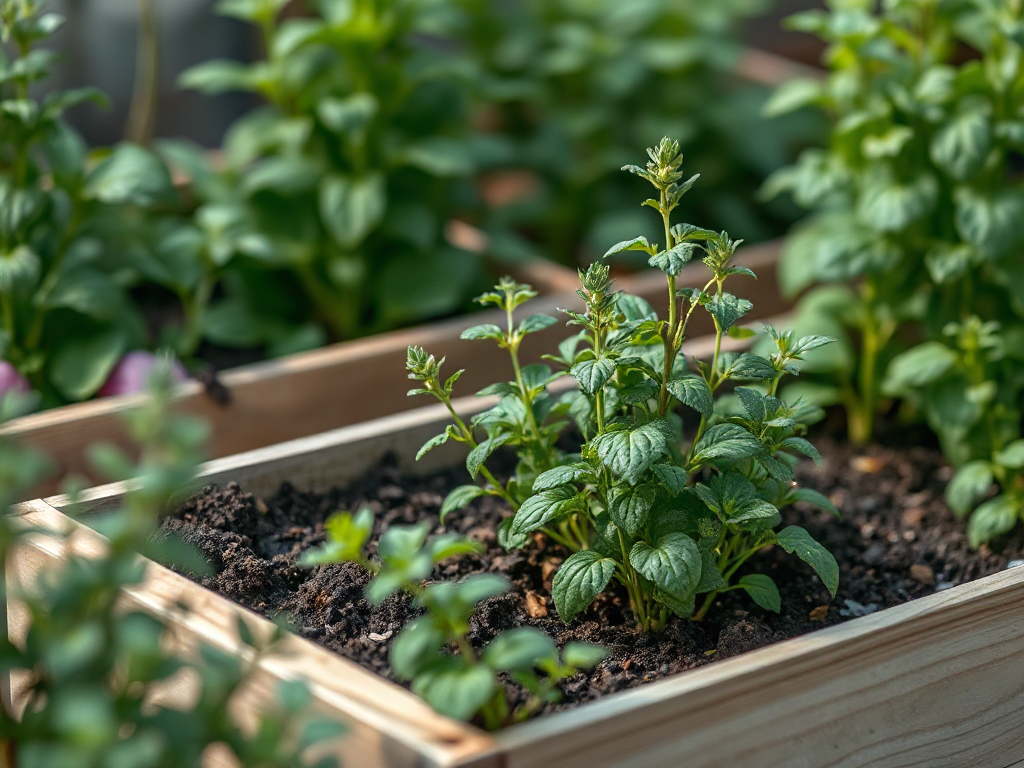
To maintain a productive herb garden, focus on nurturing healthy soil, implementing proper watering techniques, and practicing regular pruning. Start by enriching your soil with organic matter to enhance fertility and structure, which is vital for herb growth. Establish a consistent watering routine that keeps the soil moist but not soggy, as both overwatering and underwatering can harm your plants. Additionally, prune your herbs frequently to promote bushier growth and remove any unhealthy foliage, ensuring better air circulation and sunlight access. By addressing these key areas, you can significantly improve the productivity of your herb garden.
Soil Health: The Foundation of Your Herb Garden
Healthy soil is crucial for a productive herb garden, as it provides the necessary nutrients for plant growth. To ensure optimal soil health, start by testing the pH levels and nutrient content. Most herbs thrive in slightly acidic to neutral soil (pH 6.0 to 7.0). Incorporating organic matter, such as compost or well-rotted manure, improves soil structure and fertility.
Furthermore, consider using raised beds or containers if your soil is poor. These options allow for better drainage and control over the growing environment. Rotating crops each season can also help maintain soil health by preventing nutrient depletion and minimizing pest buildup.
Watering Techniques: Keeping Your Herbs Hydrated
Proper watering is essential to prevent stress on your herbs. Overwatering can lead to root rot, while underwatering can cause wilting. The key is to establish a consistent watering schedule based on your herb varieties and local climate. Generally, herbs prefer well-drained soil that remains moist but not soggy.
Using a drip irrigation system can help deliver water directly to the roots without wetting the foliage, which can reduce the risk of disease. Additionally, consider the time of day you water; early morning is ideal as it allows plants to absorb moisture before the heat of the day.
Pruning and Harvesting: Encouraging Growth
Regular pruning and harvesting are vital for maintaining a productive herb garden. By removing spent flowers and dead leaves, you encourage bushier growth and improve air circulation. Harvesting herbs frequently not only provides fresh ingredients for your meals but also stimulates new growth.
When pruning, use clean, sharp scissors or shears to avoid damaging the plant. Aim to cut just above a leaf node to promote branching. Be cautious not to remove more than one-third of the plant at a time, as this can stress the herb and hinder its growth.
Pest and Disease Management: Protecting Your Herbs
Pests and diseases can quickly undermine your herb garden’s productivity. Common pests include aphids, spider mites, and whiteflies. To manage these threats, regularly inspect your plants for signs of infestation. Natural remedies, like insecticidal soap or neem oil, can be effective against many pests.
Preventing diseases often involves good cultural practices, such as proper spacing between plants to enhance air circulation and avoiding overhead watering. Should disease occur, promptly remove affected plants to prevent spreading. Crop rotation can also help reduce disease incidence.
Seasonal Considerations: Adapting Care Throughout the Year
Different seasons require different care techniques to maintain a productive herb garden. In spring, focus on soil preparation and planting. During summer, ensure adequate watering and monitor for pests. In autumn, consider harvesting herbs before the first frost and provide protection for perennials.
Winter care for herbs varies; some, like rosemary, may need protection from extreme cold, while others can thrive in cooler temperatures. Understanding the seasonal needs of each herb type will help you adapt your care techniques accordingly.

Frequently Asked Questions
What herbs are easiest to grow for beginners?
Basil, parsley, and chives are some of the easiest herbs for beginners to grow, as they require minimal care and thrive in various conditions.
How often should I water my herb garden?
Watering frequency depends on the climate and soil type, but generally, herbs need about 1 inch of water per week, either from rainfall or supplemental watering.
Can I grow herbs indoors?
Yes, many herbs can be grown indoors in pots, provided they receive sufficient sunlight (at least 6 hours a day) and are in well-drained soil.
When is the best time to harvest herbs?
The best time to harvest herbs is in the morning after the dew has dried but before the heat of the day, as this preserves their flavor and essential oils.
How can I prevent pests in my herb garden?
Regularly inspect your plants, maintain good air circulation, and consider using natural pest repellents like neem oil or insecticidal soap to prevent infestations.
Conclusion
Maintaining a productive herb garden requires attention to soil health, proper watering, regular pruning, pest management, and seasonal adaptations. By focusing on these key areas, you can ensure thriving herbs that enhance your culinary creations. Start by assessing your soil and establishing a consistent care routine, and don’t hesitate to adjust your strategies based on the specific needs of your herbs. With diligence and care, your herb garden can flourish and provide you with fresh flavors year-round.