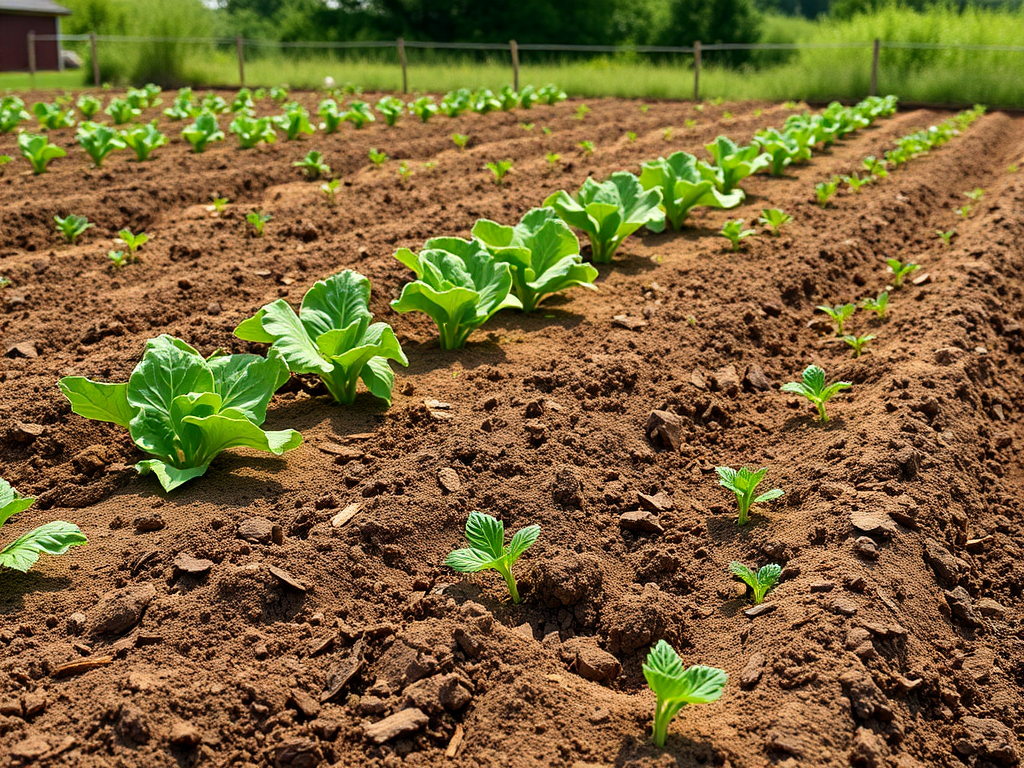
Strategies for effective crop rotation practices involve alternating crops in a specific sequence to enhance soil health, reduce pest buildup, and optimize nutrient use. Key methods include rotating legumes with cereals to improve nitrogen levels and avoiding planting the same family of crops consecutively to minimize disease risks. Common mistakes include failing to plan crop sequences and neglecting soil nutrient assessments, which can lead to diminished yields and increased pest problems.
Understanding Crop Rotation
Crop rotation is the agricultural practice of alternating the species of crops grown on a particular piece of land across seasons or years. This practice is essential for maintaining soil fertility, controlling pests, and reducing the risk of plant diseases. By rotating crops, farmers can disrupt the life cycles of pests and pathogens that thrive on specific crops, ultimately leading to healthier plants and improved yields.
The core principle of crop rotation lies in the understanding that different plants have varying nutrient requirements and pest profiles. For instance, legumes, such as beans and peas, enrich the soil with nitrogen, while other plants may deplete certain nutrients. Therefore, by rotating these crops, farmers can balance soil nutrients and enhance overall soil health.
Benefits of Crop Rotation
Implementing effective crop rotation practices offers numerous benefits that extend beyond just soil health. One of the primary advantages is the enhancement of soil structure and fertility. Different root systems from various crops can improve soil aeration and water infiltration, leading to healthier soil ecosystems.
Moreover, crop rotation can significantly reduce the reliance on chemical fertilizers and pesticides. By planting diverse crops, farmers can naturally suppress pests and diseases, leading to reduced chemical use and a more sustainable farming approach. This not only benefits the environment but also appeals to consumers increasingly concerned about sustainable practices.
Additionally, crop rotation can lead to higher overall yields. For example, following a nitrogen-fixing crop like clover with a heavy feeder like corn can improve the corn’s yield significantly compared to planting corn continuously. The rotation allows each crop to thrive by optimizing the nutrients available in the soil.
Effective Crop Rotation Strategies
To maximize the benefits of crop rotation, farmers should consider specific strategies tailored to their local conditions, climate, and crop types. One effective strategy is to follow a three or four-year rotation plan that includes a mix of legumes, grains, and root vegetables. For example, a farmer might plant soybeans one year, followed by corn, then potatoes, and All in all, a cover crop like clover to restore nitrogen levels.
Another essential strategy is to group crops based on their nutrient needs and pest susceptibility. For instance, grouping heavy feeders together can help in planning nutrient applications, while planting pest-resistant crops can minimize the risk of outbreaks. Farmers should also consider planting cover crops during the off-season to prevent soil erosion and improve soil health.
Monitoring soil health and nutrient levels is crucial for effective crop rotation. Regular soil testing can help farmers understand nutrient deficiencies and adjust their crop choices accordingly. This proactive approach ensures that the soil remains fertile and productive over time.
Common Mistakes to Avoid
While crop rotation can significantly enhance agricultural productivity, several common mistakes can undermine its effectiveness. One frequent error is the failure to plan and document crop rotations. Without a clear plan, farmers may inadvertently plant the same crop in consecutive seasons, leading to soil nutrient depletion and increased pest pressure.
Another mistake is neglecting soil health assessments. Farmers should regularly test their soil to understand its nutrient content and pH levels. Ignoring these factors can lead to poor crop performance and wasted resources. Additionally, many farmers overlook the importance of integrating cover crops, which are vital for maintaining soil health and preventing erosion.

Lastly, some may underestimate the time and resources needed to implement a successful crop rotation strategy. It requires careful planning and monitoring, but the long-term benefits far outweigh the initial challenges. By prioritizing crop diversity and soil health, farmers can create a sustainable agricultural system.
Frequently Asked Questions
What is crop rotation?
Crop rotation is the practice of alternating different crops on the same land to enhance soil health and control pests.
Why is crop rotation important?
It helps maintain soil fertility, reduces pest and disease problems, and boosts overall crop yields.
How often should crops be rotated?
Crops should ideally be rotated every year or every few years, depending on the specific crop types and local conditions.
What are some common crops used in rotation?
Common crops include legumes (like beans), grains (like corn), and root vegetables (like potatoes).
What mistakes should I avoid in crop rotation?
Avoid planting the same crop consecutively, neglecting soil health assessments, and failing to document crop rotations.
Conclusion
Implementing effective crop rotation practices is essential for sustainable agriculture. By understanding the principles of crop rotation, recognizing its benefits, and avoiding common pitfalls, farmers can enhance soil health, reduce pests, and improve crop yields. Prioritizing diverse crops and regular soil assessments will lead to a more resilient farming system. As agriculture continues to evolve, embracing these strategies will be vital for future success.