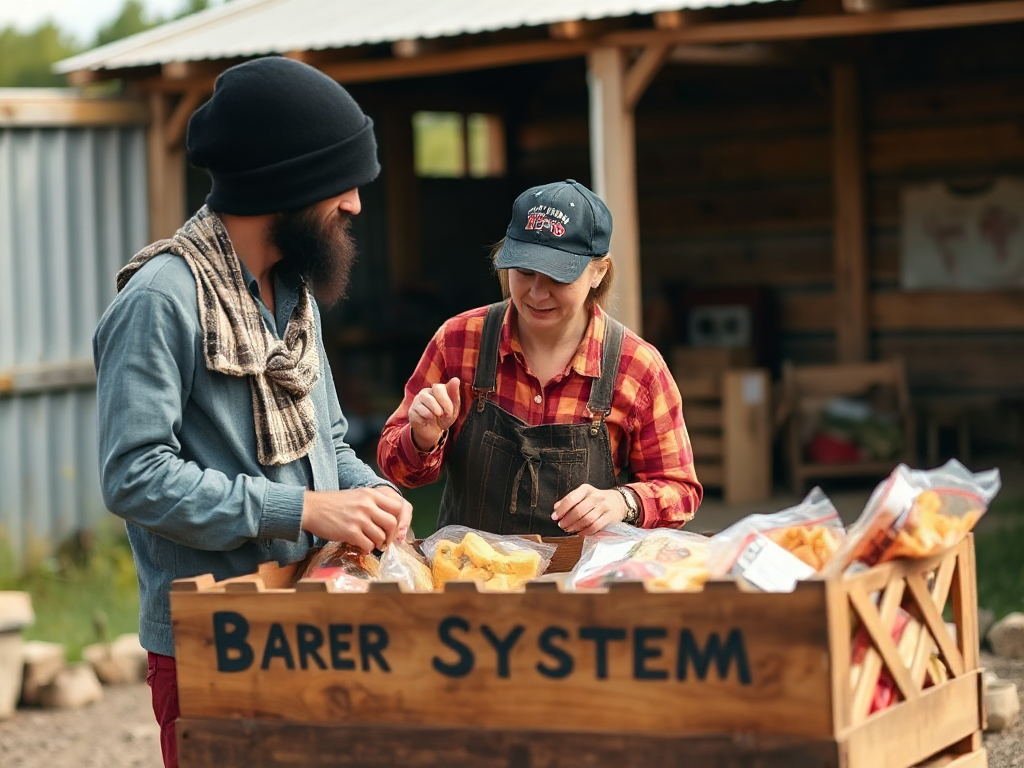
To set up a successful barter system, start by identifying goods or services you can offer and match them with what you need. Establish clear communication and agreements with potential trading partners to ensure mutual satisfaction and avoid misunderstandings. Additionally, consider joining or creating a barter network to expand your reach and enhance trade opportunities. This system fosters community relationships and can be more sustainable than traditional currency exchanges.
Understanding Barter Systems
A barter system is an exchange method where goods or services are traded directly without the use of money. This method has been used for centuries and is particularly useful in communities where currency may not be readily available or in times of economic hardship. Understanding the fundamentals of how barter systems work is essential for setting one up successfully. The primary benefit of bartering is that it facilitates trade without the need for cash, allowing individuals to acquire what they need while offloading items or services they no longer require.
Bartering can also strengthen community ties, as it often involves local participants. However, it requires trust and clear communication to ensure that all parties are satisfied with the exchange. Misunderstandings can occur if the value of goods or services is not agreed upon beforehand, or if one party fails to deliver as promised. Establishing a clear framework from the outset can help mitigate these risks.
Identifying Goods and Services for Barter
The first step in establishing a barter system is to identify what goods or services you can offer. This might include items you have at home that you no longer use, such as furniture, electronics, or clothing. Alternatively, consider services you can provide, like gardening, tutoring, or handyman work. The key is to have a clear understanding of your assets, as this will form the basis for your barter transactions.
When identifying what you can offer, consider the following:
- Value Assessment: Determine the fair market value of your goods and services to ensure equitable trades.
- Demand Analysis: Research what items or services are in demand within your community or barter network.
- Flexibility: Be open to negotiating the terms of the barter and consider bundling items or services together for a more appealing offer.
By clearly defining what you can offer, you set the stage for productive negotiations and successful trades. This clarity will also help in identifying the types of trades you are interested in pursuing.
Finding Trading Partners
Once you have identified your goods and services, the next step is to find potential trading partners. This can be done through various channels, including community bulletin boards, local barter groups, or online platforms dedicated to bartering. Networking within your community can also yield opportunities; simply mentioning your interest in bartering can lead to conversations with others who are also looking to trade.
Consider these methods for finding trading partners:
- Join Barter Networks: Look for local barter clubs or online platforms where individuals list what they have to offer and what they need in return.
- Social Media: Use social media groups focused on local trade or barter to connect with others.
- Community Events: Attend local fairs, markets, or community gatherings where you can meet potential barter partners face-to-face.
Building relationships with your trading partners is essential. The more you engage with them, the more likely they will be to trust you and enter into barter agreements.
Creating a Barter Agreement
A barter agreement is crucial for a successful transaction. It should detail the items or services being exchanged, their agreed-upon values, and the terms of the exchange. Clear agreements help prevent misunderstandings and ensure that all parties involved are satisfied with the outcome.
When creating a barter agreement, include the following elements:

- Item Descriptions: Clearly describe the goods or services being exchanged.
- Value Agreement: State the value assigned to each item or service to avoid any confusion.
- Delivery Terms: Specify how and when the exchange will take place.
- Contact Information: Include contact details for both parties for any follow-up questions or concerns.
Having a written agreement can provide peace of mind and serve as a reference point if any disputes arise. It reinforces the commitment of both parties to fulfill their end of the bargain.
Frequently Asked Questions
What types of goods are commonly bartered?
Common bartered goods include household items, clothing, tools, and services like tutoring or repair work.
How do I determine the value of my goods or services?
Research similar items or services in your area to gauge their market value, or ask potential barter partners for their input.
Are there risks involved in bartering?
Yes, risks include misunderstandings about value or condition of goods, and potential disputes if expectations are not clearly set.
Can I barter online?
Yes, there are many online platforms where you can list goods and services for barter, making it easier to connect with potential partners.
Is bartering legal?
Yes, bartering is legal in most places, but keep in mind that you may still need to report the value of goods or services for tax purposes.
Conclusion
Setting up a successful barter system requires careful planning, clear communication, and a willingness to engage with your community. By identifying what you have to offer, finding reliable trading partners, and creating clear agreements, you can enjoy the benefits of bartering. This system not only helps you save money but also strengthens your community ties. Start exploring barter opportunities today to enhance your local connections and resourcefulness.