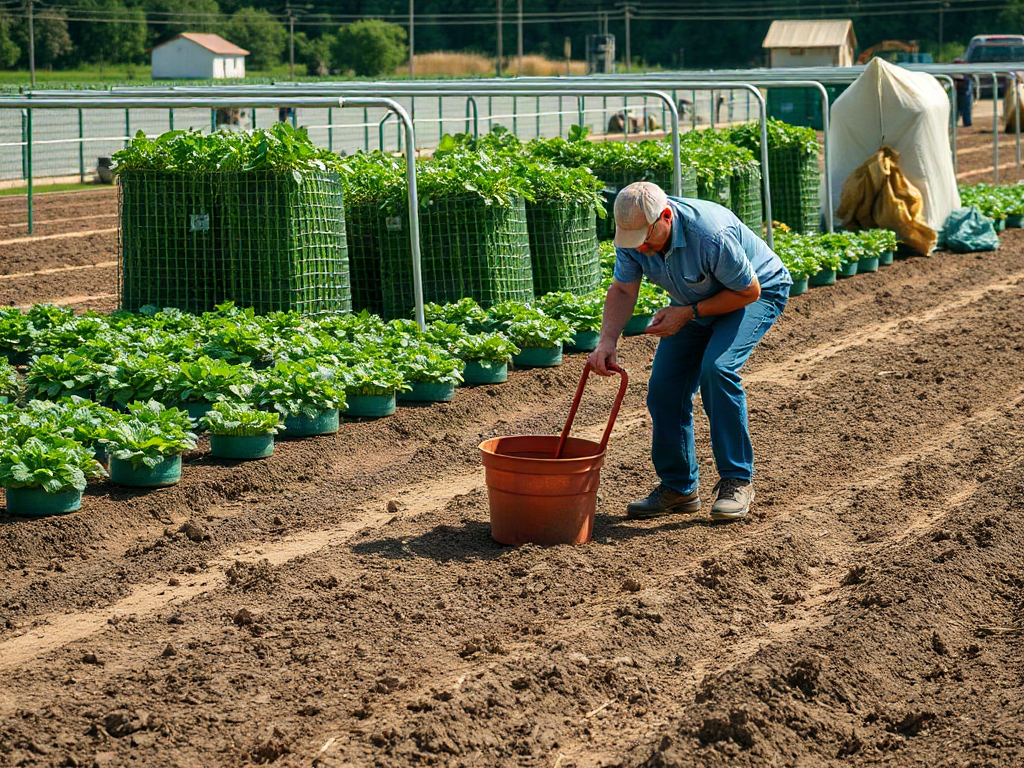
Seasonal farming work beyond planting vegetables includes maintaining soil, managing livestock, preserving harvests, repairing infrastructure, and preparing equipment for the next production cycle. Spring favors fence inspection, compost application, tool servicing, and animal health checks; summer adds irrigation monitoring, mowing, pest scouting, and food preservation. Autumn shifts attention to storage conditions, cover crops, firewood, and weatherproofing, while winter provides time for pruning, machinery maintenance, record review, and supply planning. A workable schedule should prioritize weather-sensitive jobs and animal needs before flexible projects, with enough open time for breakdowns, storms, and unexpectedly heavy harvests.
Build the Work Calendar Around Seasonal Pressure Points
A useful farm calendar begins with jobs that have narrow timing windows. Livestock care, storm preparation, hay cutting, fruit picking, food preservation, and freeze protection cannot always wait for an open weekend. Painting a shed or reorganizing a workshop usually can. Separating fixed-window work from flexible work prevents attractive but nonurgent projects from consuming the few hours available for a critical task.
Weather drives much of that timing. Soil traffic after heavy rain can create compaction, wet hay may spoil, and an exposed water line can freeze during the first hard cold spell. Instead of assigning every job to a specific date months in advance, connect it to an observable trigger. Examples include servicing mowing equipment before rapid spring grass growth, checking stored produce when indoor humidity changes, or cleaning gutters after most leaves have fallen but before freezing weather arrives.
Animal routines form a second layer of the calendar. Water, feed, bedding, fencing, predator protection, hoof or claw condition, and shelter ventilation require repeated attention regardless of crop plans. A small flock can change the order of an entire morning if a waterer freezes or a fence is breached. Daily chores therefore need realistic time allowances rather than being treated as small additions to a gardening schedule.
A compact priority check keeps the workload grounded:
- Protect life and welfare: water, feed, shelter, fencing, and hazardous conditions come first.
- Prevent irreversible loss: harvest ripe fruit, cover equipment, secure buildings, and preserve perishable food.
- Protect future production: manage fertility, drainage, weeds, stored seed, and breeding records.
- Complete flexible improvements: construction, cosmetic repairs, and workshop organization fill suitable openings.
The common failure is scheduling every available hour. A calendar that looks efficient on paper becomes unusable when rain delays fieldwork, an animal needs attention, or processing takes twice as long as expected. Leave unassigned blocks each week during busy seasons. If no emergency appears, those blocks can absorb maintenance or improvement work. For a smaller property, the same principle applies even when the equipment consists of hand tools rather than tractors. The scale changes, but weather windows and biological deadlines do not.
Spring and Summer Work Outside the Vegetable Beds
Spring work should restore access, water flow, containment, and equipment function before growth accelerates. Walk fence lines after thawing, looking for lifted posts, loose fasteners, fallen limbs, and gaps beneath wire. Examine lanes and gates for mud that could impede animals or vehicles. Clear culverts and shallow drainage channels carefully so runoff follows an intended route rather than cutting across paths, foundations, or grazing areas.
Equipment deserves attention before it is urgently needed. Sharpen hand tools, inspect handles, test batteries, check tires, and follow the manufacturer’s service instructions for powered machinery. A mower that starts in the workshop but has a damaged belt or dull blade can still fail under load. Keep frequently used replacement parts and the correct lubricants on hand, but avoid buying a large inventory for machines that see little use. Timely inspection is often more economical than stocking parts indiscriminately.
Summer introduces competing demands. Grass and brush grow quickly, animals consume more water, insects become active, fruit ripens, and irrigation systems run longer. Mowing every area short may appear tidy, but selective mowing can save labor and retain cover where erosion or heat is a concern. Prioritize access routes, fence lines that must remain visible, areas around buildings, and vegetation that interferes with airflow or equipment. Follow local fire-safety requirements where vegetation near structures creates a seasonal hazard.
Water checks should include more than confirming that a tap runs. Look for dripping fittings, flattened hoses, blocked emitters, algae in containers, and wet spots that suggest underground leakage. Livestock water should be checked often enough to catch contamination, tipping, or rapid consumption. Irrigation performance can be evaluated by observing the soil below the surface rather than assuming a set running time reaches the root zone.
Harvest work also expands beyond vegetables. Berries, orchard fruit, herbs, eggs, milk, honey, or cut flowers may each create their own handling schedule. Pick during suitable conditions, remove damaged material, cool or process perishables promptly, and clean containers between uses. Trying to can, dehydrate, or freeze every surplus item can overwhelm a household. Choose preservation methods according to available freezer space, shelf storage, energy use, safe processing instructions, and what the household actually eats. The broader view of seasonal farming work beyond planting vegetables is especially valuable here because harvest handling often requires more time than harvesting itself.
Autumn Tasks That Protect Food, Land, and Buildings
Autumn is the handoff between active production and winter protection. Start with products that will deteriorate if ignored: late fruit, hay, feed, seed, firewood, and storage crops. Storage areas should be cleaned before filling, then monitored after filling. Temperature, humidity, airflow, pests, and the condition of individual items influence storage life. One decaying apple or damaged squash can affect nearby produce, so periodic sorting matters more than arranging a perfect-looking storeroom once.
Preservation volume should match safe processing capacity. Use tested canning directions from reliable extension or government sources, label packages with the contents and date, and rotate older stock forward. Freezing is often faster than canning but relies on electricity and limited freezer room. Dehydration reduces storage volume but may require substantial drying time and does not suit every food equally. Root-cellar-style storage uses little processing energy, yet only works where the space provides appropriate conditions. Selecting one method for every harvest is less effective than matching each food to the household’s facilities.
Fields and perennial areas need a different form of protection. Avoid leaving bare, disturbed ground through wet or windy months where erosion is likely. Depending on climate and timing, cover crops, retained plant residue, mulch, or established sod may shield the surface and slow runoff. Cover crops must be selected early enough to establish, and their eventual termination should be considered before sowing. A late seeding that never develops adequate cover may consume seed without providing the intended protection.
Buildings and utilities should be checked before severe weather exposes weak points. Inspect roofs from a safe location, clear gutters, secure loose siding, protect outdoor faucets, drain systems that are not designed to freeze, and remove combustible clutter from heat sources. Confirm that animal housing blocks precipitation without trapping moisture. Closing every opening may reduce drafts, but inadequate ventilation allows humidity and ammonia to accumulate. Dry bedding and controlled air exchange are generally more useful than sealing a shelter tightly.
Autumn is also the time to stage winter supplies where they will remain accessible. Feed stored at the back of a snow-prone building or firewood stacked across an icy slope creates avoidable labor and risk. Put frequently used materials near all-weather paths while maintaining suitable separation from moisture, pests, animals, and ignition sources. A practical seasonal farm-work plan treats access as part of storage rather than an afterthought.
Use Winter for Maintenance, Records, and Readiness
Winter shifts effort toward reliability rather than complete inactivity. Daily animal chores may take longer because of frozen water, deep bedding, snow, or limited daylight. Inspect cords, heaters, and heated water devices according to their instructions, and keep electrical connections protected from animals and moisture. Stocking backup water containers can be more dependable than assuming a single heated system will never fail.
Indoor maintenance is most productive when it follows an inventory. Gather tools from vehicles, sheds, and barns; clean them; identify damage; and decide whether each item should be repaired, replaced, or retired. Label unusual parts before storage and record model information for machines that require seasonal service. A common mistake is dismantling several machines at once, which creates mixed hardware and unfinished repairs. Complete one repair far enough to test it before opening another project whenever possible.
Records turn a busy year into usable information. Review harvest dates, preservation quantities, feed use, veterinary notes, breeding outcomes, fuel purchases, equipment repairs, and recurring shortages. Precision is useful, but a simple record maintained consistently is better than an elaborate system abandoned in May. For example, noting that a freezer filled before the main orchard harvest is more actionable than recording every apple weight while ignoring storage capacity.
Winter planning should also test assumptions about expansion. Adding livestock, orchard trees, or a larger hay area creates work in later seasons, not merely at the moment of purchase. Estimate where feed will be stored, how water will reach animals during a freeze, who will provide care during an absence, and what equipment the new activity requires. Compare the annual labor burden with the expected household value before committing. A productive enterprise that repeatedly collides with existing harvest or preservation work may be a poor fit.
End the season by preparing a short readiness list for spring. Order only supplies with a known use, confirm that gates and access routes can handle planned equipment, and schedule repairs that require outside service before seasonal demand rises. Signs that winter preparation is working include operable tools, accurate inventories, accessible supplies, and fewer emergency purchases. Persistent unfinished repairs, unidentified parts, spoiled feed, or repeated stockouts indicate that the plan needs fewer simultaneous projects and clearer ownership of recurring chores.
Frequently Asked Questions
What farm work can be done when no vegetables are being planted?
Useful work includes fence repair, livestock care, pruning, equipment servicing, drainage checks, compost management, food preservation, storage monitoring, recordkeeping, and weatherproofing buildings.
How should seasonal farm tasks be prioritized?
Handle animal welfare and immediate safety first, followed by weather-sensitive harvests, loss-prevention work, and jobs that protect future production. Flexible improvements should fill the remaining time.
What farm maintenance is best completed in winter?
Winter suits tool repair, machinery service, inventory, record review, supply ordering, and planning. Pruning may also fit the season for certain plants, but appropriate timing varies by species and climate.
How much unscheduled time should a seasonal work plan include?
Keep regular open work blocks during demanding seasons rather than filling every hour. The appropriate amount varies, but it should be enough to absorb weather delays, breakdowns, animal problems, or unexpectedly large harvests.
What is a common mistake when planning year-round farm work?
A common mistake is planning around ideal weather and normal yields. A stronger schedule includes backup water, alternate harvest days, storage capacity, spare consumables, and time for repairs.
Conclusion
A dependable seasonal schedule follows weather, animals, perishability, and infrastructure rather than the garden calendar alone. Mark the jobs that lose value when delayed, including harvesting fruit, protecting water systems, repairing containment, storing feed, and preparing for severe weather. Place flexible construction and cleanup projects around those commitments instead of competing with them.
Begin with a walk-through of the property and list visible risks, recurring chores, stored supplies, and equipment due for service. Assign each item a season and an observable trigger, then reserve open work periods for disruptions. Review the plan after every major harvest and at winter’s end. The aim is not to keep every hour occupied; it is to prevent avoidable losses while preserving enough capacity to respond when land, animals, weather, or machinery changes the day’s priorities.