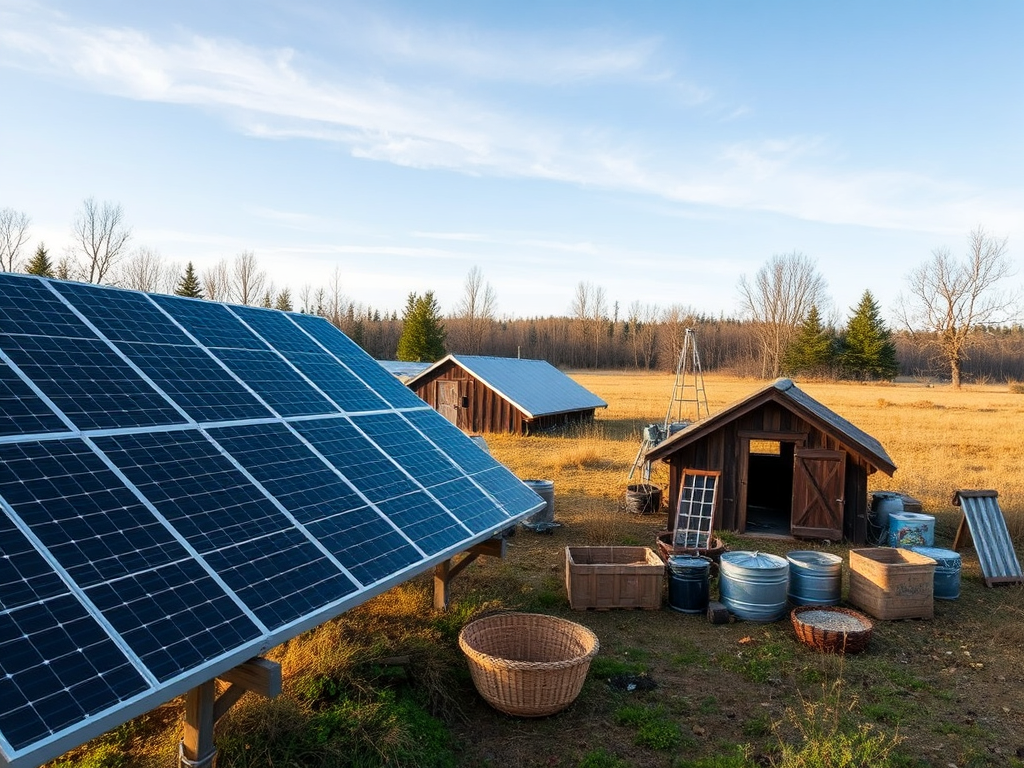
To effectively reduce your carbon footprint on the homestead, focus on integrating renewable energy sources, conserving water, and adopting sustainable gardening practices. Installing solar panels and wind turbines can significantly cut down on fossil fuel reliance while providing long-term savings. Additionally, implementing a rainwater collection system not only conserves water but also reduces the energy needed for treatment. For gardening, utilizing organic methods and drip irrigation can enhance soil health and minimize waste. These practical steps contribute to a more sustainable lifestyle and a healthier environment.
Utilizing Renewable Energy Sources
One of the most effective ways to reduce your carbon footprint on the homestead is by utilizing renewable energy sources. Solar panels are a popular option, as they convert sunlight into electricity, significantly lowering reliance on fossil fuels. Additionally, wind turbines can harness wind energy, providing a complementary power source in breezy areas. Implementing these technologies not only decreases greenhouse gas emissions but can also lead to long-term savings on energy costs.
When considering solar panels, it’s essential to assess your homestead’s location and energy needs. For instance, homes in sunnier climates may benefit more from solar panels than those in regions with less sunlight. Moreover, investing in energy-efficient appliances can further maximize the benefits of your renewable energy systems.
Water Conservation Techniques
Water conservation is another crucial element in reducing your carbon footprint. Collecting rainwater is a simple yet effective method to minimize water waste. By setting up a rain barrel system, you can gather and store rainwater for irrigation and other non-potable uses. This practice not only conserves water but also reduces the energy required for water treatment and distribution.
Moreover, implementing drip irrigation systems can enhance water efficiency in your garden. Unlike traditional sprinklers, drip irrigation delivers water directly to the plant roots, minimizing evaporation and runoff. This targeted approach ensures that plants receive the necessary moisture while conserving valuable water resources.
Sustainable Gardening Practices
Adopting sustainable gardening practices is vital for reducing your carbon footprint on the homestead. Organic gardening, for example, eliminates the need for synthetic fertilizers and pesticides, which can contribute to soil and water pollution. Instead, focus on building healthy soil through composting and crop rotation. Composting not only reduces waste but also enriches the soil, promoting plant health and resilience.
Additionally, planting native species and perennials can significantly reduce the need for water and maintenance. Native plants are well-adapted to local conditions, requiring less irrigation and providing habitats for local wildlife. By prioritizing biodiversity in your garden, you can create a thriving ecosystem that supports both your homestead and the surrounding environment.
Waste Reduction Strategies
Minimizing waste is a practical way to lower your carbon footprint on the homestead. Implementing a waste separation system for recycling can significantly decrease landfill contributions. Moreover, reducing single-use plastics by opting for reusable containers and packaging can further minimize waste generation.
Consider incorporating a zero-waste approach by repurposing materials whenever possible. For example, old containers can be used for storage or planting, while food scraps can be composted rather than thrown away. This not only reduces waste but also enhances your homestead’s sustainability.
Frequently Asked Questions
What are the best renewable energy options for a homestead?
Solar panels and wind turbines are among the best renewable energy options, as they can significantly reduce reliance on fossil fuels while lowering energy costs.
How can I conserve water on my homestead?
Collecting rainwater and using drip irrigation systems are effective methods for conserving water and ensuring efficient usage in your garden.
What are some sustainable gardening practices?
Organic gardening, composting, and planting native species are key sustainable practices that promote soil health and reduce environmental impact.
How can I reduce waste on my homestead?
Implementing recycling systems, opting for reusable products, and composting food scraps are practical strategies for reducing waste.
Why is reducing my carbon footprint important?
Reducing your carbon footprint is essential for mitigating climate change, preserving natural resources, and fostering a healthier environment for future generations.
Conclusion
Reducing your carbon footprint on the homestead requires a multifaceted approach, focusing on renewable energy, water conservation, sustainable gardening, and waste reduction. By implementing these strategies, you not only contribute to environmental sustainability but also enhance the resilience and productivity of your homestead. Start with small changes, and gradually adopt more practices to create a lasting positive impact on both your lifestyle and the planet.