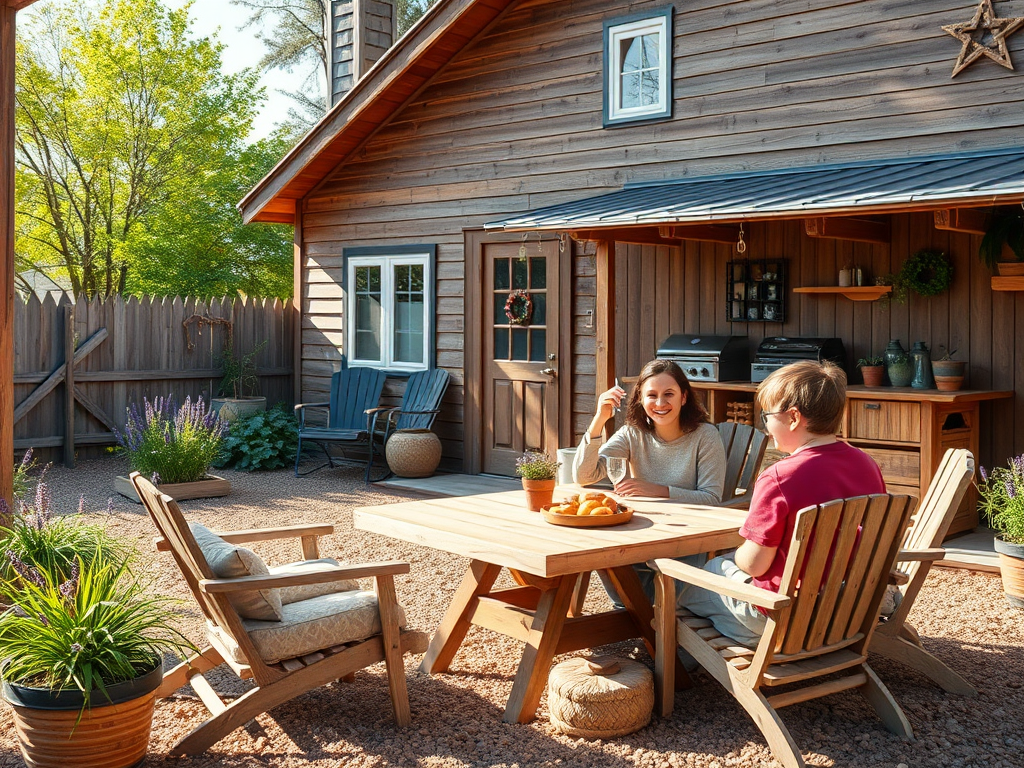
Creating a family-friendly homestead environment involves designing spaces that prioritize safety, engagement, and learning opportunities for all ages. Start by incorporating safe play areas for children, using non-toxic materials, and ensuring secure fencing. Engage family members by involving them in gardening or animal care, fostering a sense of responsibility and connection to nature. Additionally, consider educational resources, such as workshops or books, that promote skills related to homesteading, enhancing both safety and engagement.
Designing Safe Outdoor Spaces
To create a family-friendly homestead environment, start by designing safe outdoor spaces that cater to both children and adults. This includes establishing play areas free of hazards and ensuring that all equipment is age-appropriate and well-maintained. Safety measures, such as non-toxic landscaping and secure fencing, are essential. For instance, when planting gardens, choose non-toxic plants and avoid chemicals that could harm children or pets.
Consider incorporating natural elements like trees and bushes that can provide shade and a sense of adventure for children. Creating a designated area for outdoor activities, such as a sandbox or a small playground, can foster imaginative play. Always supervise children while they are outside, and teach them about the safe use of tools and equipment.
Engaging Family Members in Homesteading
Engagement is key to fostering a family-friendly homestead environment. Involve all family members in various homesteading activities, from planting and harvesting to caring for animals. This not only teaches responsibility but also helps everyone feel connected to the homestead. For example, assign age-appropriate tasks: younger children can help with watering plants, while older kids may learn to handle small gardening tools.
Encouraging teamwork in these activities strengthens family bonds and teaches valuable life skills. Additionally, hosting family meetings to discuss upcoming projects or share experiences can enhance communication and ensure everyone feels valued in the homesteading process.
Incorporating Educational Resources
Incorporating educational resources into your homestead can significantly enhance the family-friendly environment. Consider using books, online courses, or local workshops focused on gardening, animal care, and sustainability. These resources can provide both practical knowledge and inspiration for family projects.
For example, engaging in a community gardening workshop can help families learn together while also meeting other homesteaders. Additionally, setting up a family library with resources tailored to homesteading can encourage self-directed learning and exploration of various topics.
Creating a Sustainable Environment
A family-friendly homestead should also prioritize sustainability, which can be achieved through practices such as composting, rainwater harvesting, and organic gardening. Teaching children the importance of sustainability not only benefits the environment but also instills values of stewardship and responsibility.
Start small, perhaps by creating a compost bin together or planting a small vegetable garden using organic methods. Discuss the benefits of these practices, such as reducing waste and promoting healthy eating. Involving the family in these endeavors fosters a deeper understanding of ecological principles and encourages a lifestyle that respects nature.

Frequently Asked Questions
What are some safety tips for a family-friendly homestead?
Ensure all play areas are free of hazards, use non-toxic materials, and supervise children while they engage in homesteading activities.
How can I involve my children in homesteading?
Assign age-appropriate tasks, such as watering plants or caring for small animals, to teach responsibility and foster a connection to nature.
How can we promote sustainability on the homestead?
Implement practices such as composting, rainwater harvesting, and organic gardening to teach children about sustainability and environmental stewardship.
What are the benefits of a family-friendly homestead?
A family-friendly homestead fosters bonding, teaches valuable life skills, and creates an engaging learning environment for all family members.