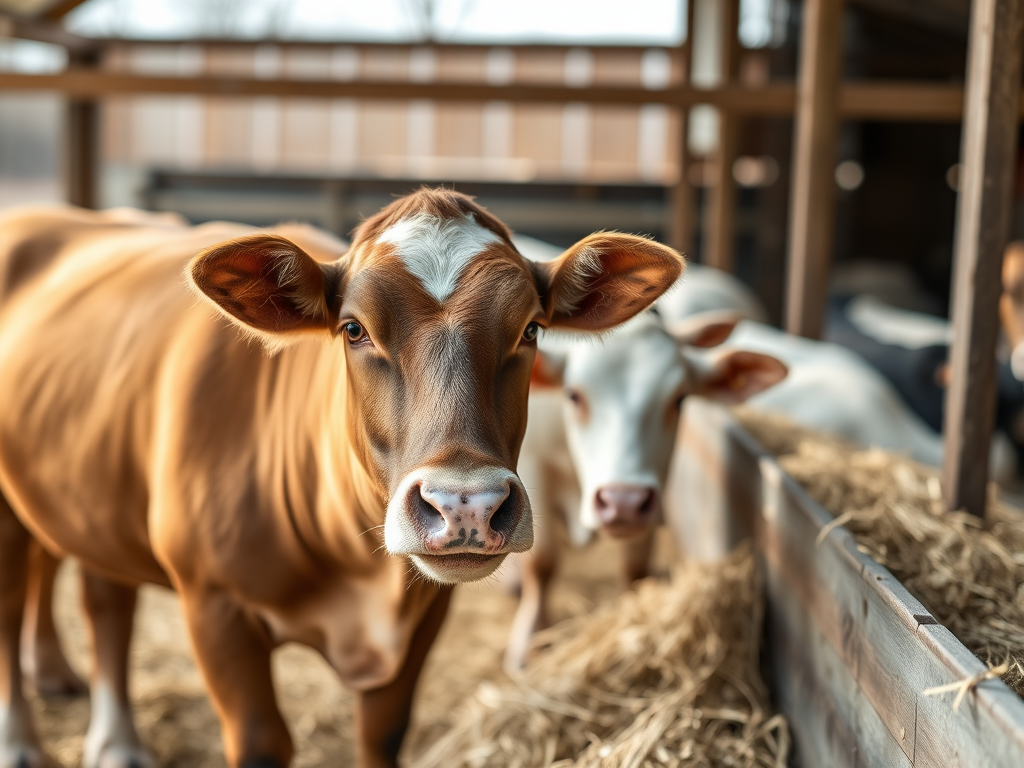
Understanding livestock feed costs on a homestead involves assessing the types of feed, local pricing, and the specific needs of your animals. For instance, while high-quality feed may seem more expensive upfront, it can prevent health issues and reduce veterinary costs in the long run. To manage your budget effectively, track your expenses, consider buying in bulk, and explore alternative feed sources like foraging or growing your own feed. By prioritizing quality and strategic purchasing, you can optimize your livestock's health and your overall expenses.
Understanding Feed Types and Their Costs
Understanding livestock feed costs on a homestead begins with recognizing the different types of feed available. Livestock feed can generally be categorized into concentrates, roughages, and supplements. Concentrates, such as grains and protein meals, are energy-dense and essential for growth and productivity. Roughages, like hay and silage, provide necessary fiber for digestion. Supplements include vitamins and minerals that support overall health.
The costs associated with these feed types can vary widely depending on local market conditions, seasonal availability, and quality. For example, high-quality alfalfa hay may be significantly more expensive than grass hay, but it also provides better nutritional value. Understanding these differences is crucial for making informed purchasing decisions.
One common mistake is undervaluing the importance of good quality feed. While cheaper options may seem appealing, they can lead to health issues in livestock, ultimately increasing costs due to veterinary bills and reduced productivity. Therefore, investing in quality feed can yield long-term savings and healthier animals.
Calculating Livestock Feed Needs
Accurate calculations of livestock feed needs are vital for managing costs effectively. Each type of livestock has specific dietary requirements based on factors such as age, weight, and purpose (e.g., breeding, meat production, or milk production). For instance, a lactating dairy cow requires a significantly higher protein intake than a maintenance cow.
To calculate feed requirements, start by determining the animal’s weight and multiplying it by the recommended daily feed intake percentage. For example, a 1,200-pound cow may require around 2-3% of its body weight in feed daily, translating to 24-36 pounds of feed. Additionally, consider the nutritional composition of the feed to ensure it meets the specific needs of your livestock.
Common pitfalls include overestimating or underestimating feed needs, which can lead to waste or inadequate nutrition. Regular monitoring and adjustments based on livestock performance and health can help optimize feed efficiency and minimize costs.
Budgeting for Feed Expenses
Effective budgeting for feed expenses is crucial for maintaining a sustainable homestead. Start by tracking all feed purchases and their associated costs. Create a spreadsheet or use budgeting software to categorize expenses by feed type, quantity, and frequency of purchase. This practice provides insights into spending patterns and helps identify areas for potential savings.
Consider bulk purchasing options as a strategy to reduce costs. Many suppliers offer discounts for larger quantities, which can significantly lower the per-unit price of feed. However, ensure you have adequate storage facilities to prevent spoilage or waste.
Moreover, factor in seasonal fluctuations in feed prices. Prices can vary throughout the year based on supply and demand, so planning purchases ahead of time can help lock in lower prices when available. Additionally, keep an eye on local agricultural markets for potential deals or bartering opportunities with other homesteaders.
Alternative Feed Sources and Strategies
Exploring alternative feed sources can significantly impact livestock feed costs. Consider growing your own feed crops, such as oats or barley, which can reduce reliance on purchased feed. Additionally, forage crops like clover and turnips can provide nutritious grazing options during warmer months.
Another strategy is to utilize food waste or by-products from local businesses. Many bakeries, grocery stores, and restaurants may have surplus bread, vegetables, or fruit that can serve as supplementary feed. However, always ensure that any alternative feed is safe and nutritious for your livestock.

It’s essential to evaluate the nutritional value of alternative feeds carefully. While they might reduce costs, they should not compromise the health and productivity of your livestock. Balancing cost-saving measures with nutritional needs will help maintain healthy animals and a thriving homestead.
For those looking to deepen their understanding of livestock feeding strategies, consider exploring resources from local agricultural extension offices or reputable agricultural universities. These sources often provide valuable insights into current best practices and innovative feeding techniques.
Frequently Asked Questions
What are the main types of livestock feed?
The main types of livestock feed include concentrates, roughages, and supplements, each serving different nutritional purposes.
How can I calculate my livestock's feed needs?
Calculate feed needs by determining the animal's weight and multiplying it by the recommended daily intake percentage, adjusting for specific dietary requirements.
What are some budgeting tips for livestock feed?
Track all feed purchases, consider bulk buying, and plan purchases around seasonal price fluctuations to better manage feed expenses.
Are there alternative feed sources I can use?
Yes, alternatives include growing your own feed crops or utilizing food waste from local businesses, ensuring they are safe for livestock consumption.
What common mistakes should I avoid when feeding livestock?
Avoid underestimating or overestimating feed needs, as this can lead to waste or inadequate nutrition, impacting animal health and productivity.
Conclusion
Understanding livestock feed costs on a homestead involves a careful analysis of feed types, calculating needs, and budgeting efficiently. By prioritizing quality feed and exploring alternative sources, you can optimize costs while ensuring the health and productivity of your livestock. Regular monitoring and adjustments based on your livestock’s performance will also help maintain a sustainable feeding strategy that supports your homestead’s goals.